Short answer
Ask your hotel, the local tourist office or a trusted guide for a cooperative that welcomes visitors, and go in the morning when work is under way. Expect a short demonstration of cracking, grinding and pressing. Ask before you take photographs, ask how the oil was made and buy only if you like what you see.
Table of contents
- Why visit
- Finding a cooperative
- Getting there
- When to go
- What you will see
- How to behave
- What to ask
- Buying at the cooperative
- Tipping and paying
- Tourist workshops that are not cooperatives
- What to bring
- A sample half day
- Questions for a group visit
- What to buy besides oil
- Photography and respect
- Accessibility and comfort
- After the visit
- Frequently asked questions
- Sources
- What we verified
A visit to an argan cooperative is one of the most interesting half days on the Atlantic coast. You see the work behind the oil, you meet the women who do it, and you can buy from the source. It works best when you prepare a little.
Why visit
The oil in a bottle hides the labour that goes into it. Watching a woman crack nuts between two stones makes the price easier to understand. You can also ask questions that a shelf label cannot answer, and you may find a product you trust.
Finding a cooperative
Essaouira is a popular base, and several cooperatives operate in the countryside around it. Ask at your riad or hotel, at the local tourist office or through a licensed guide. Look for one that explains its work openly and allows questions.
Getting there
Most cooperatives are a short drive from town. You can go by taxi, by hired car or on a small group tour. Agree the price, the waiting time and the return trip before you leave.
When to go
Morning is usually best, when work is under way. Avoid public holidays and Friday afternoons, when many cooperatives work less. Call ahead if you can. One travel guide says mornings, around 9:00 to 11:30, are the most active time (Nomado Travel).
What you will see
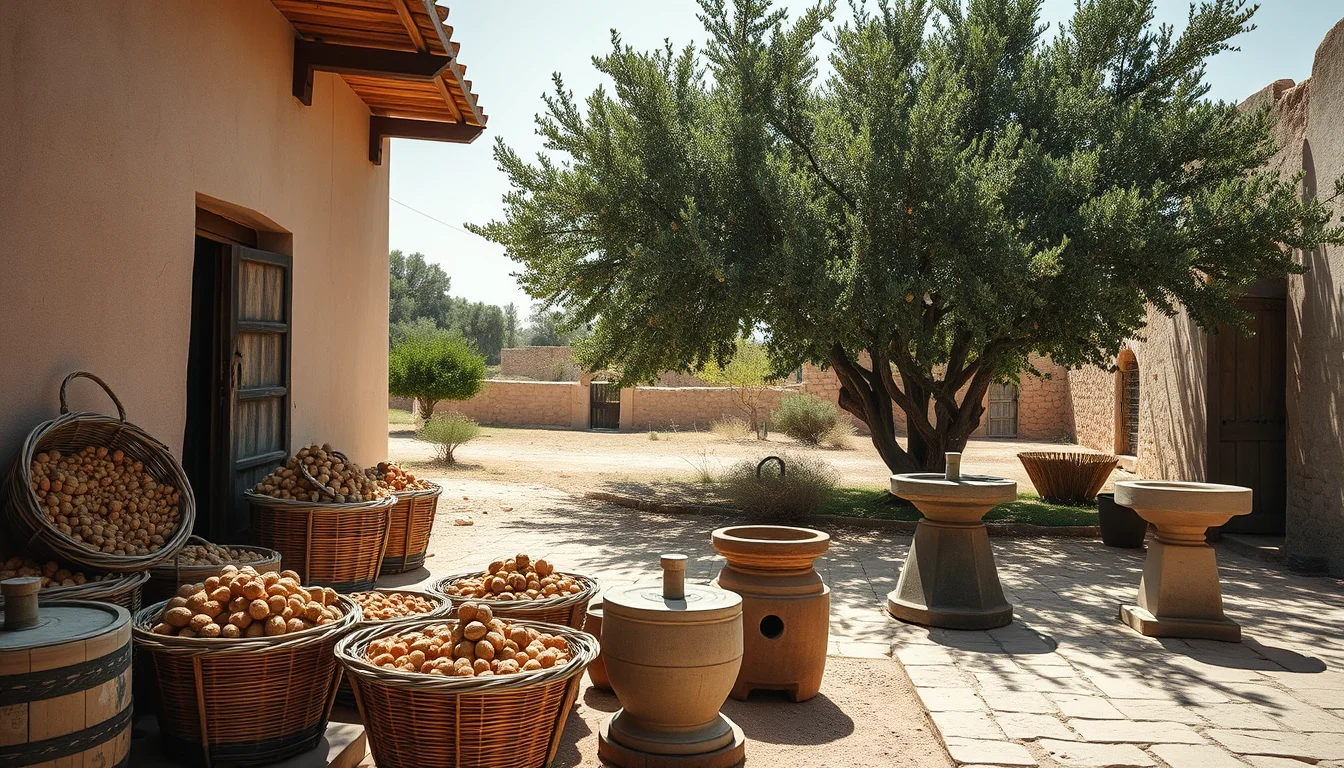
- Nuts being cracked by hand between stones.
- Kernels being sorted and, for culinary oil, roasted.
- Grinding and pressing, by hand or with a machine.
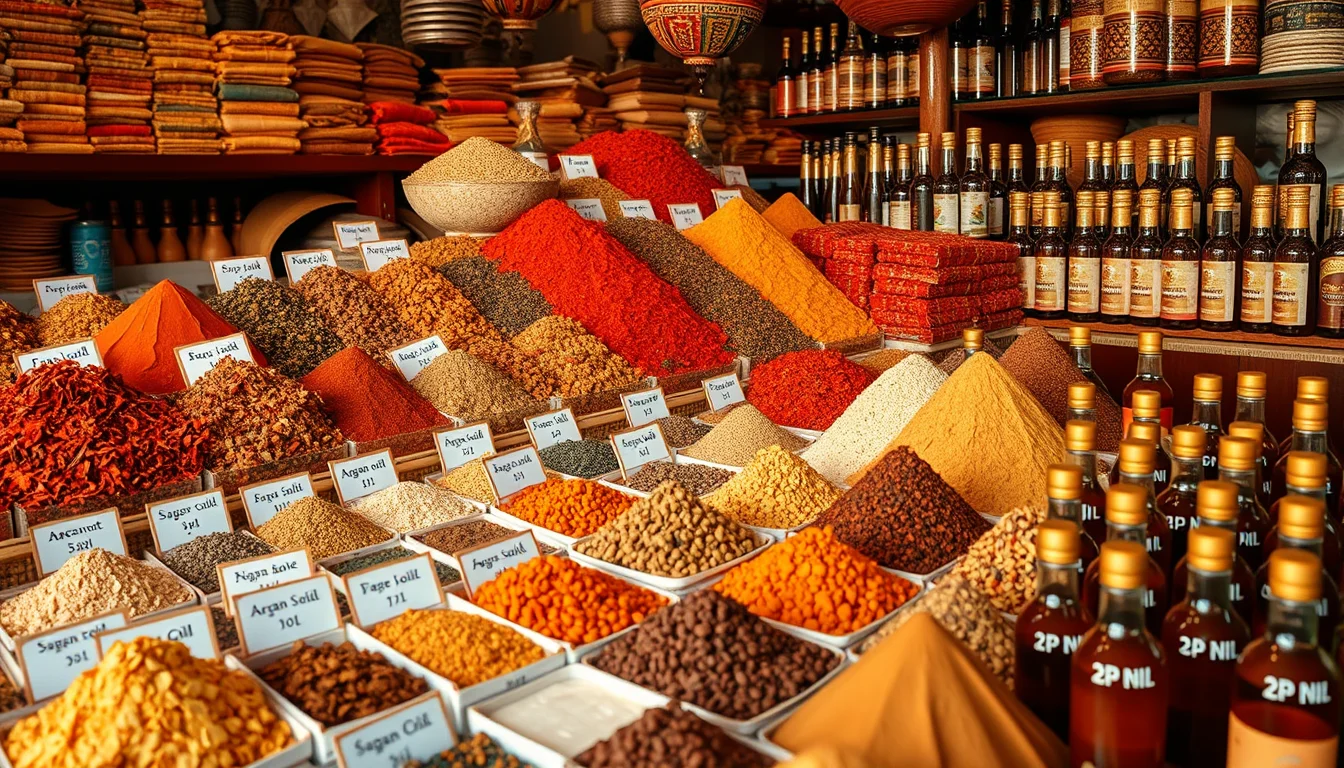
- Oil in bottles and in labelled containers.
- Soaps, creams and food products made with argan oil.
The order can differ from one cooperative to the next. Some places show a short demonstration and others let you watch the day’s work.
How to behave
- Greet the women and say thank you.
- Ask before you take photographs of people, and accept a no.
- Do not touch tools or products without permission.
- Dress modestly and comfortably.
- Do not treat the visit as a show. These women are at work.
What to ask
- Where does the fruit come from?
- Do you crack the nuts by hand?
- Do you press by hand or with a machine?
- When was this batch pressed?
- How many women work here, and how are they paid?
- Is this oil culinary or cosmetic?
The process guide explains what good answers sound like.
Buying at the cooperative
Ask to smell and, for culinary oil, taste the oil. Look at the label for a producer name, a batch number and a date. Prices are usually fixed. If you buy, buy what you need, and if you do not want to buy, say so politely. Many cooperatives also sell soaps and creams. Read those labels with the same care.
Tipping and paying
If a woman shows you how she cracks the nuts, a small tip may be appreciated, and it is polite to ask what is customary. Buying a product is the most useful way to support the work.
Tourist workshops that are not cooperatives
Some large shops present a demonstration and then sell products made elsewhere. Ask where the oil was pressed and by whom. If the staff cannot say, be cautious.
What to bring
- Cash in small notes.
- Water and sun protection.
- A small bag for purchases.
- Comfortable shoes.
A sample half day
| Time | Activity |
|---|---|
| 8:30 | Leave Essaouira by car or taxi |
| 9:15 | Arrive at the cooperative, greet the women and take a short tour |
| 9:30 | Watch cracking and pressing |
| 10:30 | Ask questions and smell or taste the oils |
| 11:00 | Buy oil or soap and say thank you |
| 11:30 | Return to town for lunch |
The timings are examples. The same guide says a visit usually lasts 30 to 60 minutes.
Questions for a group visit
If you travel with friends or family, agree in advance what you want to learn. One person can ask about cracking, another about pressing and another about pay and training. This keeps the conversation useful and prevents everyone asking the same thing.
What to buy besides oil
Many cooperatives sell soaps, creams, amlou and packs of kernels. Read the labels with the same care you use for oil, and remember the difference between food and cosmetic products. A small bar of soap makes a gift that travels well.
Photography and respect
Ask before you photograph a person, and show her the picture if she asks. Do not post photographs of the women online without their permission. If you write about your visit on the site, use only photographs you have permission to publish, and consider crediting the cooperative.
Accessibility and comfort
Ask the cooperative if the site has steps, uneven ground or shade. Wear comfortable shoes. If you have a health condition or limited mobility, call ahead and ask what to expect. Bring water and sun protection in warm months.
After the visit
Store your oil properly, write down the cooperative name and date and keep the label. If you liked the visit, consider leaving a fair review on a travel site. Be specific and honest, and avoid exaggeration.
Frequently asked questions
Do I need to book?
Not always, but calling ahead helps.
Can children come?
Usually yes. Ask the cooperative.
Is it worth it if I do not plan to buy?
Yes. You can learn a lot, and a small purchase such as soap is a kind way to say thanks.
Sources
- Nomado Travel, Essaouira argan oil guide (commercial) (nomadotravel.app)
What we verified
Last checked: October 4, 2026
Sources:
- Nomado Travel, Essaouira argan oil guide (commercial) (nomadotravel.app)