Argan Oil
Argan oil comes from the kernels of a tree that grows naturally in the southwest of Morocco. Culinary and cosmetic oils follow different routes from the same kernel, and the label tells you which one you hold.
The guides here explain how the oil is made, how to buy it, how to keep it and how people traditionally use it on hair and skin, with care about what the evidence supports.
-
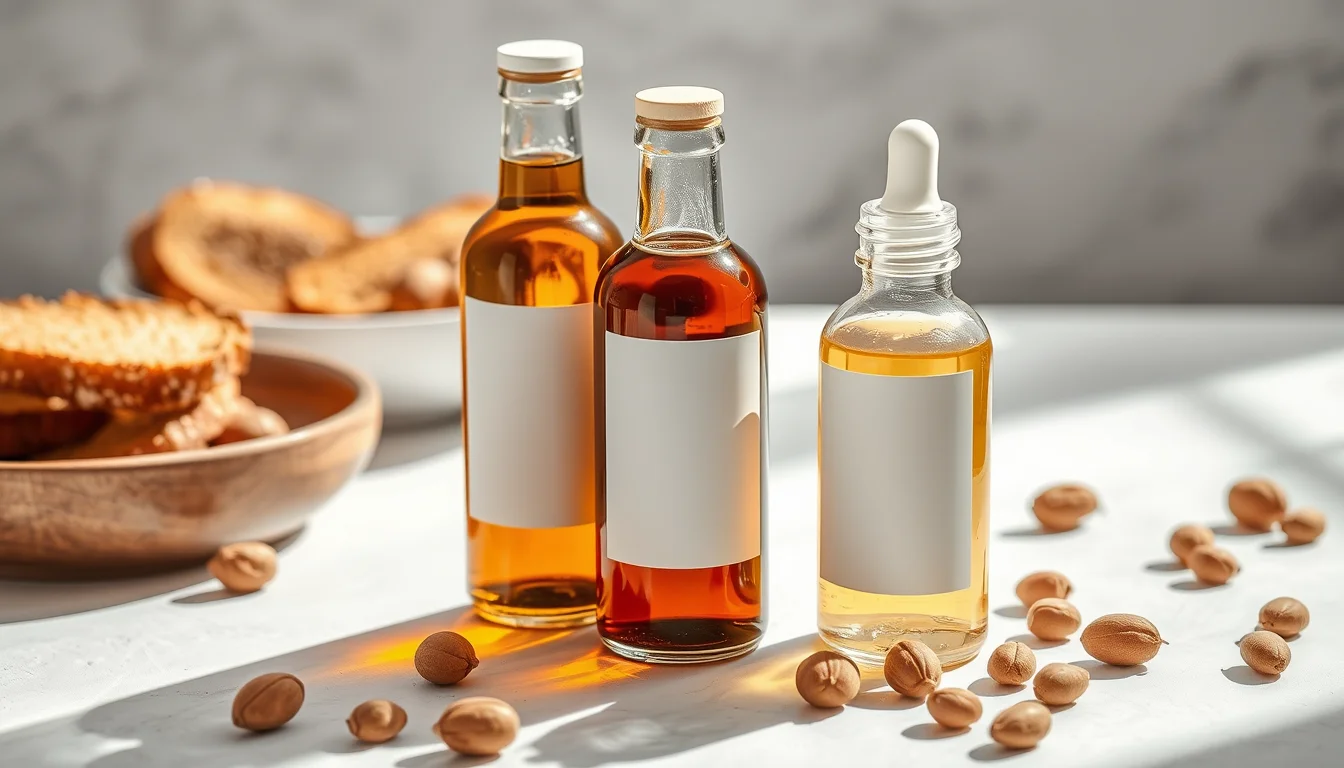
Culinary or Cosmetic Argan Oil: What to Buy for What
Culinary argan oil comes from roasted kernels, so it is darker, with a nutty flavour, and it is sold for eating. Cosmetic…
-
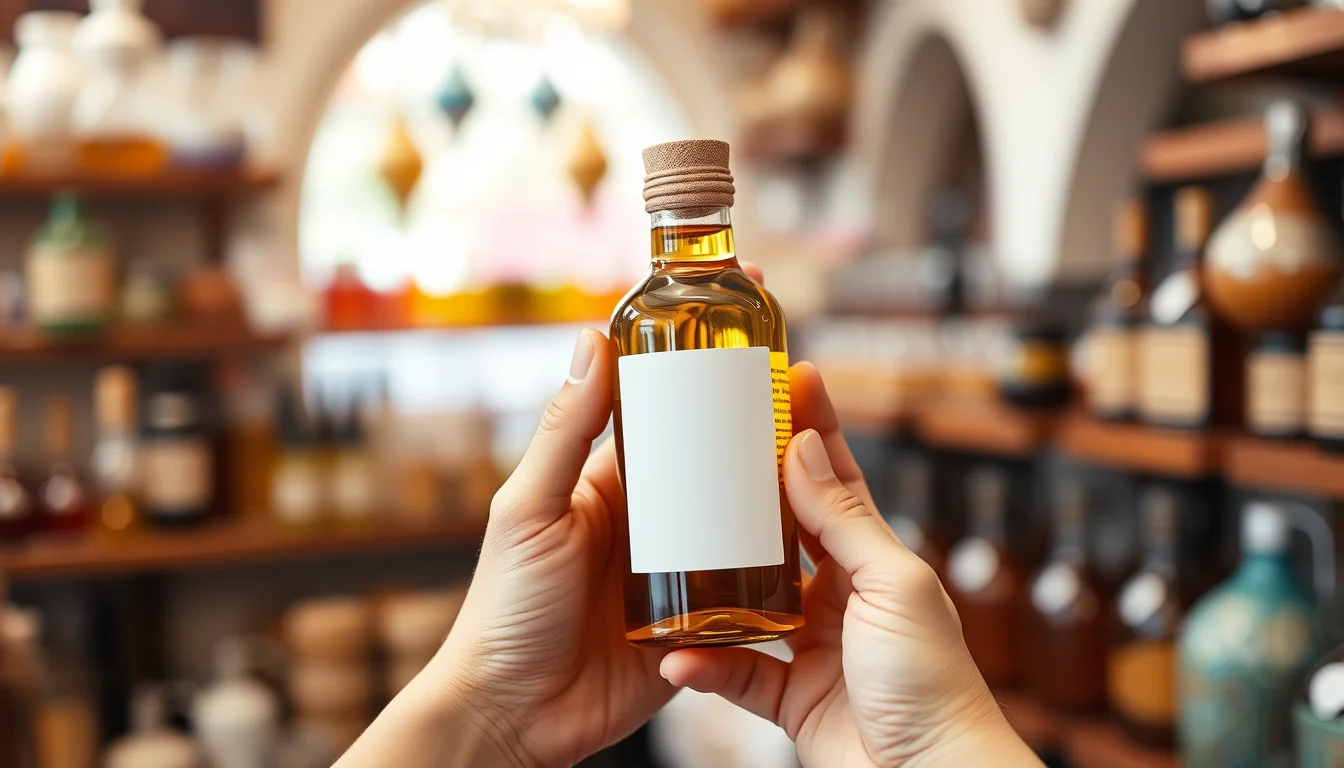
How to Buy Real Argan Oil: A Label Guide
Real argan oil comes with a clear label: a single ingredient, a producer or cooperative, a batch number and a date, in…
-
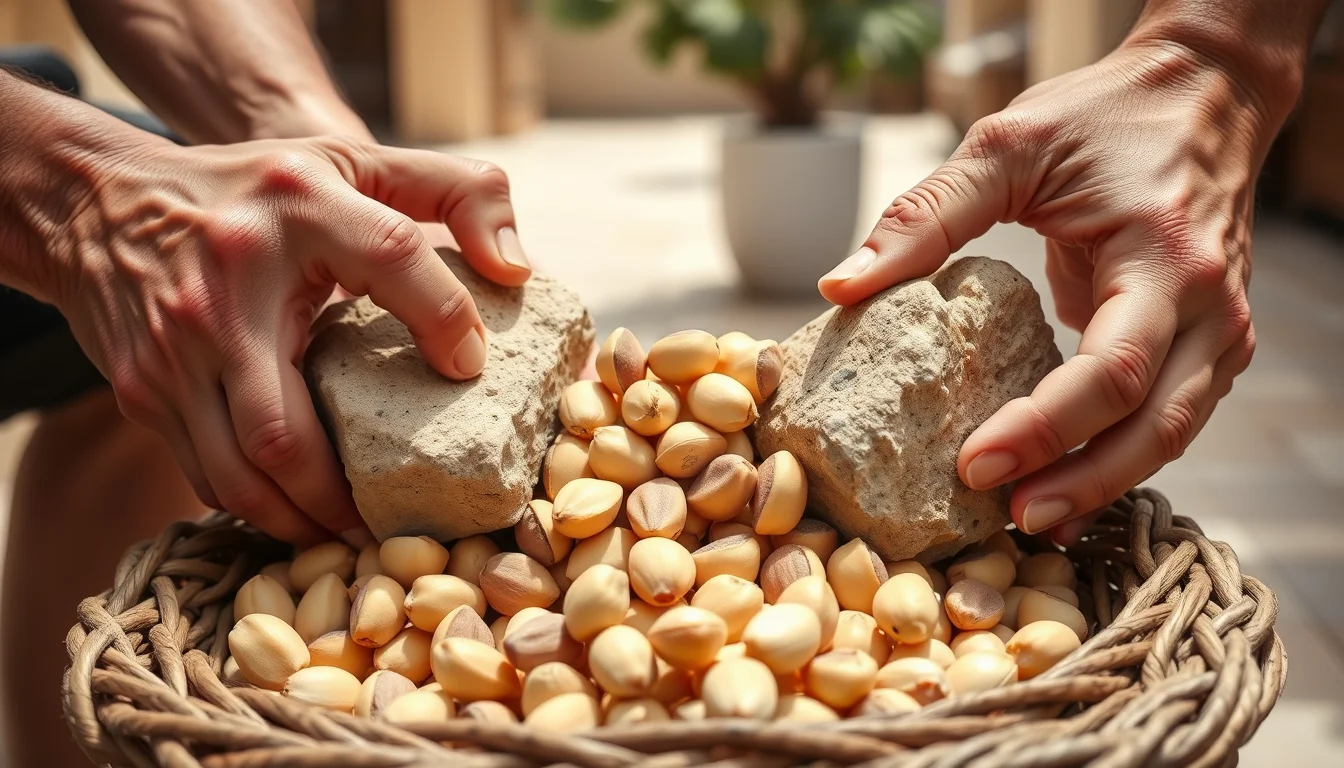
How Argan Oil Is Made: Kernels, Cooperatives and Pressing
Argan oil is made by collecting the fruit, removing the pulp, cracking the hard nut by hand to free the kernels, roasting…
-
How to Store Argan Oil and How Long It Lasts
Keep argan oil in a closed bottle, in a cool, dark cupboard, away from the stove and sunlight. Follow the date on…
-
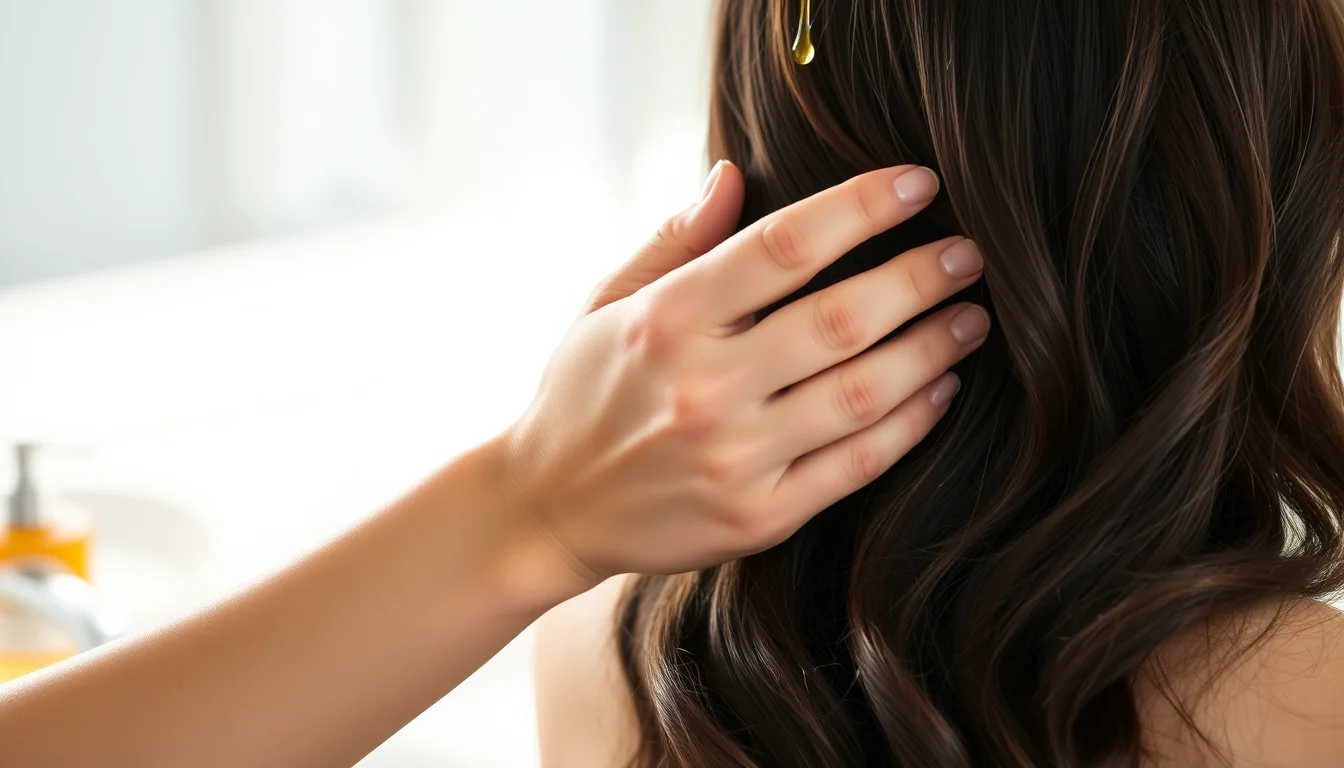
Argan Oil for Hair: Traditional Use and What Research Says
People traditionally use a few drops of cosmetic argan oil on the lengths and ends of dry hair as a conditioning oil.…
-
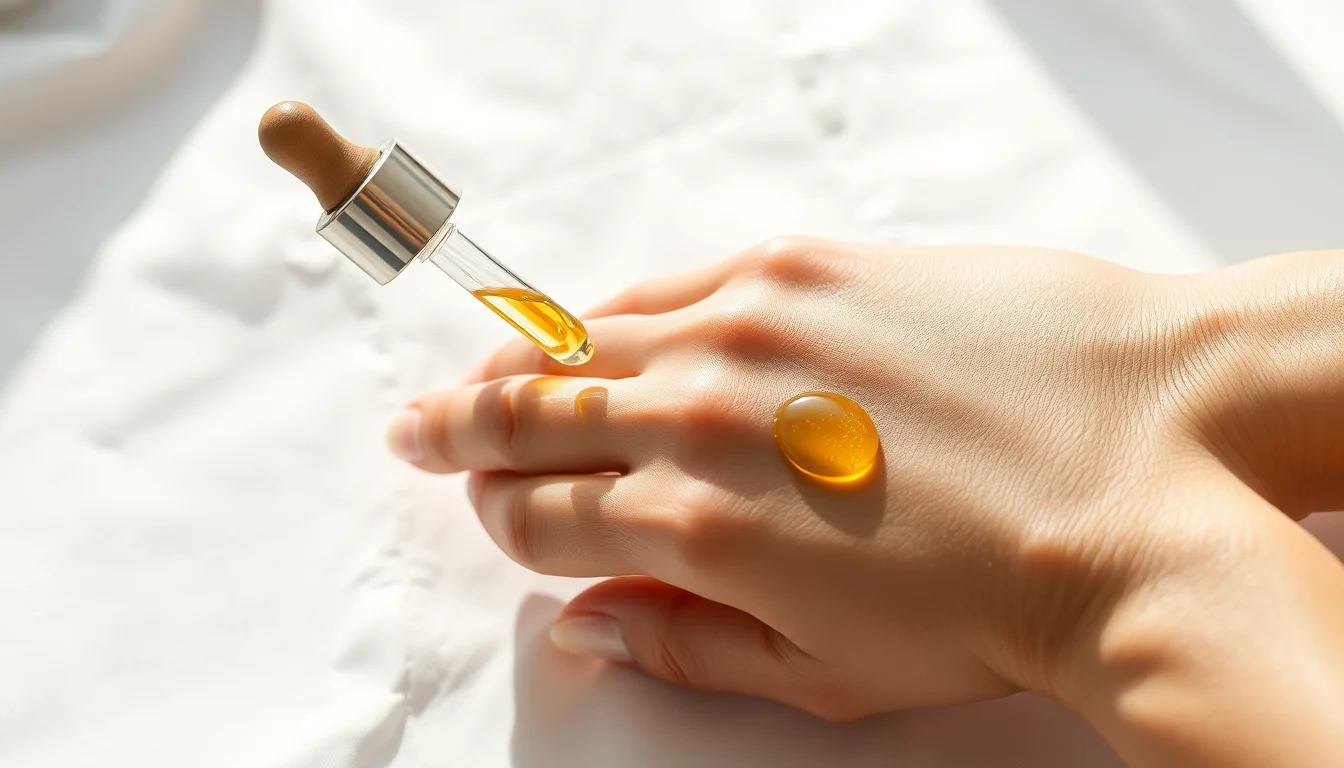
Argan Oil for Skin: Traditional Use and What Is Known
People traditionally use cosmetic argan oil on skin as a light, moisturising oil, applied in small amounts. A limited number of small…