Short answer
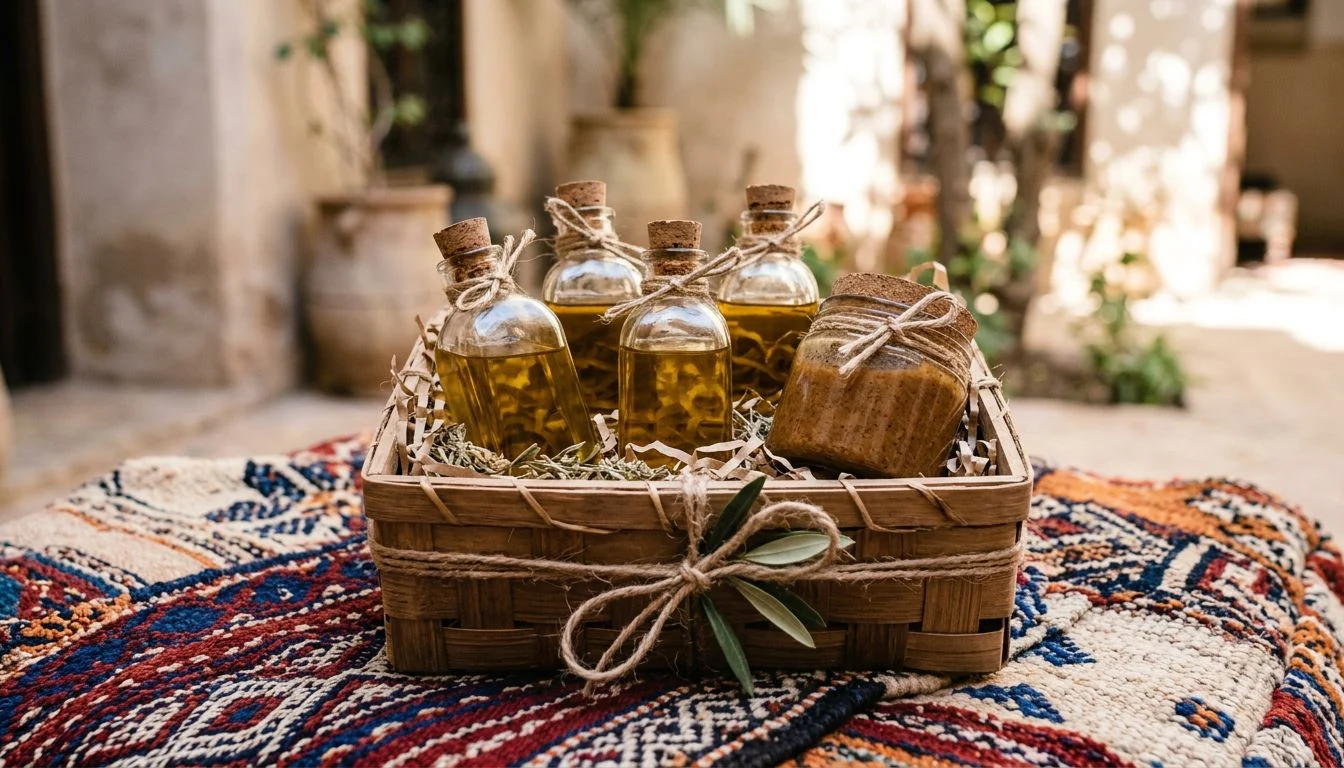
In Morocco, culinary argan oil is mostly a finishing oil. It is toasted before pressing, tastes nutty, and is drizzled on bread, couscous, salads and eggs, or blended into amlou. Cooks use a few drops at a time and avoid heating it, so cooking with argan oil really means finishing with it.
Table of contents
Taste and type
Food Republic describes cooking argan oil as toasted before bottling, with a deep nutty flavour similar to hazelnut oil. Wikipedia agrees that kernels for food oil are gently roasted before grinding and pressing. This is the difference from cosmetic oil, which is covered in Culinary or Cosmetic Argan Oil: What to Buy for What.
Cooking with argan oil the Moroccan way
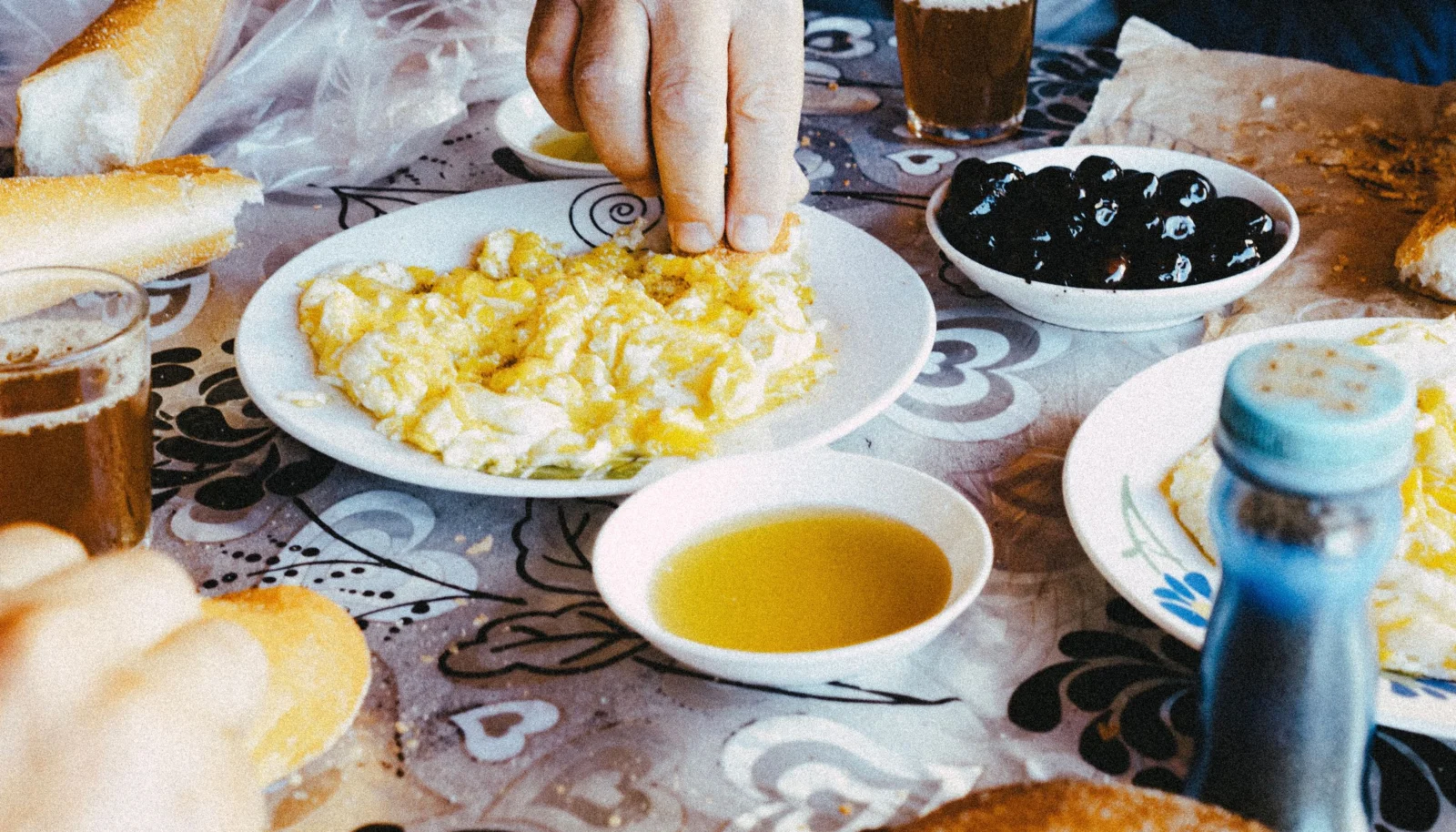
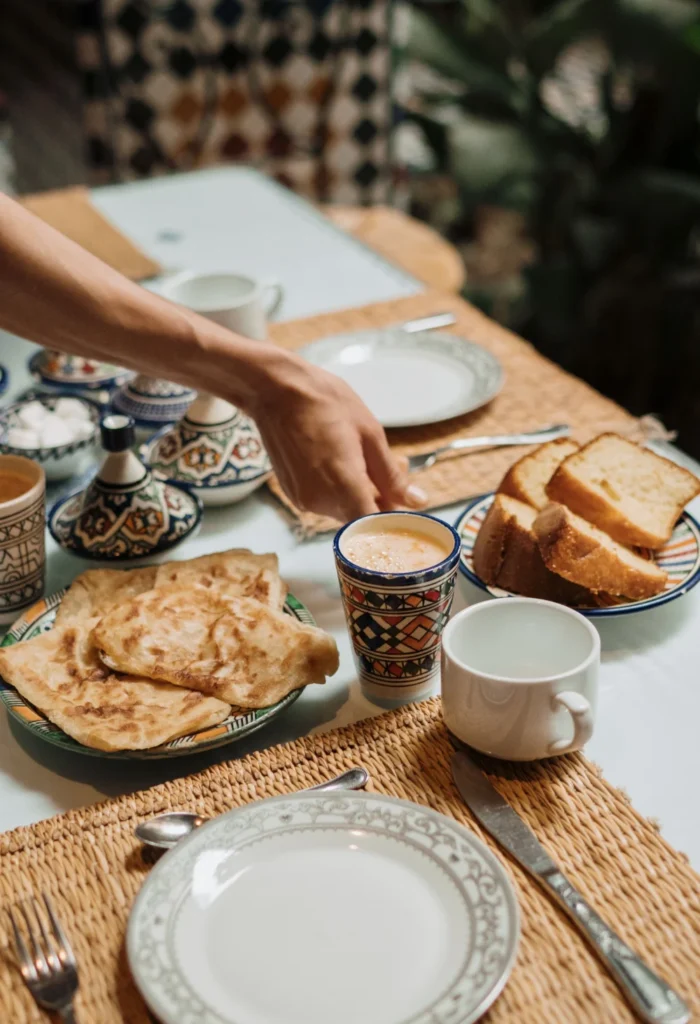
- Breakfast dip. Wikipedia says the oil is used to dip bread at breakfast. Food Republic gives the example of khobz bread dipped in amlou.
- Amlou. A thick paste of ground roasted almonds, argan oil and honey, with a texture like peanut butter (Wikipedia). See Amlou: The Moroccan Argan, Almond and Honey Spread for the recipe.
- Couscous, pasta and salads. Wikipedia mentions drizzling it on couscous or pasta, and an SBS article mentions drizzling it over salads and couscous.
- Eggs and vegetables. Food Republic says it can be added to fried eggs or vegetables at the end of cooking.
Do not heat it
Food Republic reports that the oil does not withstand high temperatures well and that locals “never ever heat it”. It is a finishing oil. Add it after cooking, a few drops at a time. This is a point of tradition reported in one article; if you want a smoke point figure, find a laboratory source first.
Why a few drops
The oil is expensive because of the work behind it. Food Republic says about 50 kilos of berries and 20 hours of work give half a litre. Wikipedia gives a different figure, 40 kilograms of dried fruit for one litre. The two are measured differently (fresh berries versus dried fruit, half a litre versus one litre), so they cannot be compared directly. Either way, it takes tens of kilos of fruit and many hours of work.
A note on history
The food writer Paula Wolfert is quoted by Food Republic saying that argan oil only became a food trend outside Morocco recently, when French chefs started putting it on everything. Inside Morocco it is a local product tied to the south west. Do not present argan oil as a daily staple across all of Morocco without a source.
Simple ideas for readers
- Drizzle on warm bread, with honey if you like.
- Add a few drops to couscous or a tomato salad after cooking.
- Spoon amlou over msemen (see Msemen with Amlou and Honey) or toast.
Frequently asked questions
Can you cook with argan oil?
Use it as a finishing oil. Food Republic says locals never heat it.
Is argan oil the same for food and skin?
No. Food oil is toasted; see Culinary or Cosmetic Argan Oil: What to Buy for What.
How much should I use?
A few drops to a teaspoon, as a finish. This is a cooking suggestion, not a medical one.
Sources
- Food Republic (foodrepublic.com)
- Wikipedia (en.wikipedia.org)
- SBS article (sbs.com.au)