Short answer
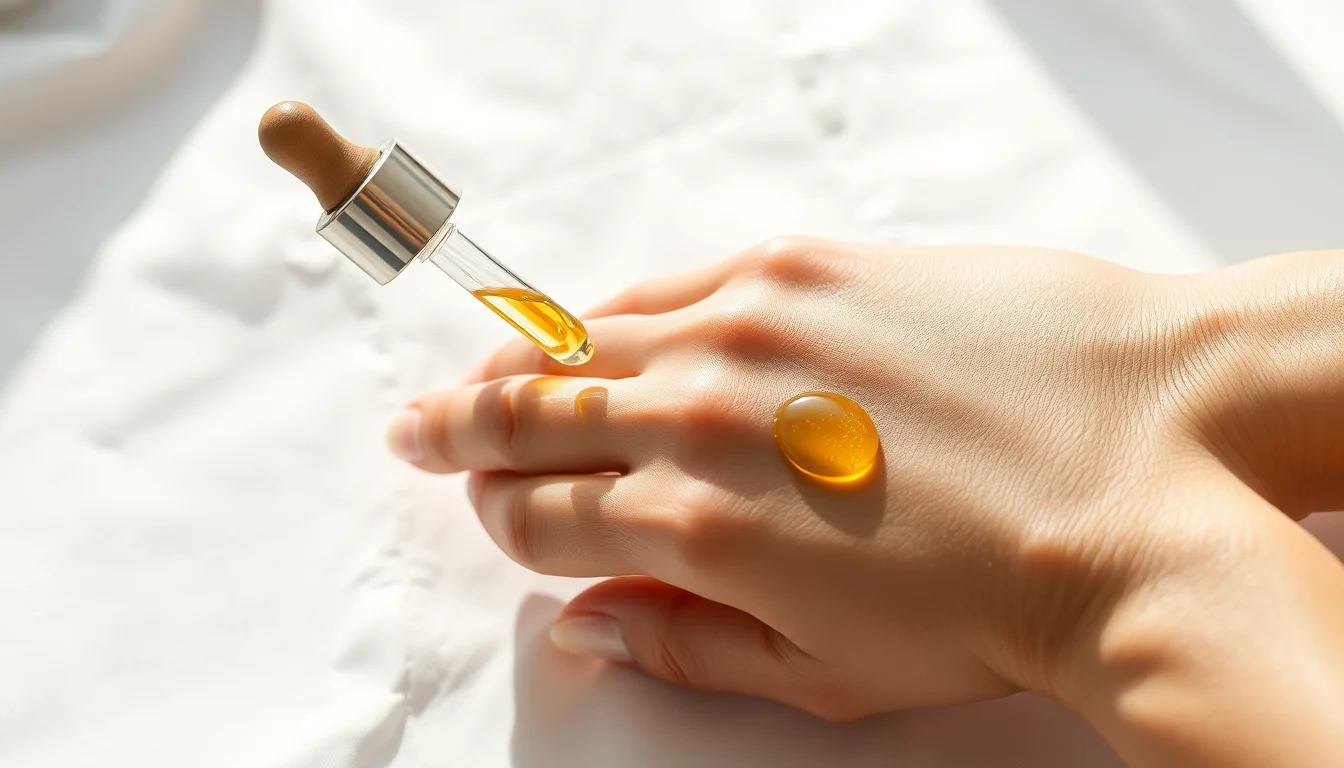
People traditionally use cosmetic argan oil on skin as a light, moisturising oil, applied in small amounts. A limited number of small studies exist, and they do not prove that it treats any skin condition. Do a patch test, avoid the eye area, and speak with a doctor or dermatologist if you have a skin problem.
Table of contents
- How people use it
- What is known from research
- How to use it
- Who should be careful
- Patch test first
- Culinary or cosmetic for skin
- Argan oil and sunscreen
- Reading product labels
- Buying tips
- Simple routines people use
- What labels and claims can mean
- When to see a doctor
- Your own notes
- Frequently asked questions
Argan oil appears in creams, serums and simple bottles. Many people like it for dry skin, and many have questions about what it can do. This guide sets out how people use it and where the evidence stops.
How people use it
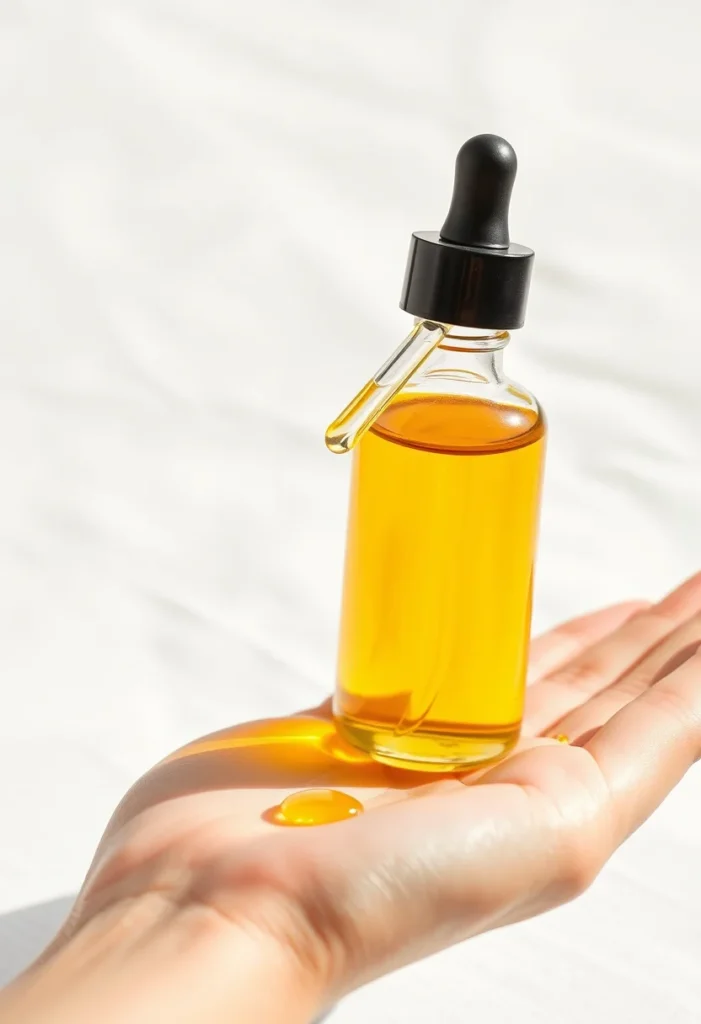
In Morocco, cosmetic argan oil is a traditional oil for skin and hair. People smooth a small amount over dry patches, hands, elbows and heels, or use a few drops after washing the face. Its texture is light for an oil, and it absorbs fairly quickly. That is a description of use, and results depend on skin type and on the product.
What is known from research
Some small studies have looked at argan oil applied to the skin or eaten, in specific groups of people. Many of these studies are small, short or have links to producers, so they do not settle the question. None of this should be read as proof that argan oil treats acne, eczema or any other condition.
How to use it
- Wash and dry your hands or face.
- Put two or three drops of cosmetic argan oil in your palm and warm it.
- Press it gently onto slightly damp skin.
- Start with the evening, then add a morning use if it suits your skin.
Damp skin holds the oil better, which is why many people apply it after a shower.
Who should be careful
People with nut allergies, very oily or acne prone skin, sensitive skin or skin conditions should speak with a doctor or dermatologist before they try it. If you are pregnant or breastfeeding, ask your doctor about any new product. If you use prescribed skin treatments, ask before you add an oil.
Patch test first
Apply a drop to the inside of your forearm and wait 24 hours. If you see redness, itching or swelling, do not use the oil. Keep it away from your eyes.
Culinary or cosmetic for skin
Cosmetic argan oil is the right choice. It is made and labelled for that use.
Argan oil and sunscreen
Oil does not protect you from the sun. Use sunscreen as your doctor or a dermatologist recommends, and add oil only if it suits your routine.
Reading product labels
Look for a short ingredient list that begins with Argania spinosa kernel oil for a pure oil. In creams and serums, argan oil may be far down the ingredient list, and the product may contain fragrance or preservatives. Choose according to your needs and your skin.
Buying tips
Buy from a seller who names the producer and shows a batch number, and pick a small bottle you can finish. The buying guide and the storage guide have more detail.
Simple routines people use
| Situation | Routine | Note |
|---|---|---|
| Dry hands and cuticles | Two drops massaged in after washing | Wipe excess with a tissue |
| Dry elbows and heels | A few drops after a shower | Use socks to protect sheets |
| Face, if you like oils | One or two drops on damp skin in the evening | Skip if you break out easily |
| After shaving legs | A few drops on damp skin | Test a small area first |
What labels and claims can mean
| Claim you may see | How i would read it |
|---|---|
| “Pure argan oil” | Check the ingredients list. It should name only Argania spinosa kernel oil |
| “Anti ageing” | A marketing phrase. Ask what evidence supports it |
| “Clinically tested” | Ask who tested it, how many people and what they measured |
| “Dermatologist recommended” | Ask which dermatologist and on what basis |
| “Natural” | Has no fixed meaning, and natural products can still cause reactions |
When to see a doctor
See a doctor or a dermatologist if you have a rash that does not clear, sudden changes in a mole or in your skin, painful or swollen skin, or signs of infection. Oils are not a treatment for these. If you have a chronic condition such as eczema, ask before you add a new product.
Your own notes
If you use argan oil on your skin, keep a small note of what you used, how much and what you noticed, for a few weeks. It helps you decide honestly whether it suits you, and it gives you real observations to add to this article.
Frequently asked questions
Can argan oil clog pores?
Skin reacts differently to oils. If you are prone to breakouts, try a small amount on a small area first, and ask a professional.
Can children use argan oil?
Ask a paediatrician. Do not apply new products to babies without advice.
Does argan oil lighten scars or remove wrinkles?
I cannot say that, and reliable evidence is lacking. Be careful with any product that promises it.