Issam Cherrat
-
Moroccan vs Iranian Saffron: Which Is Better to Buy?
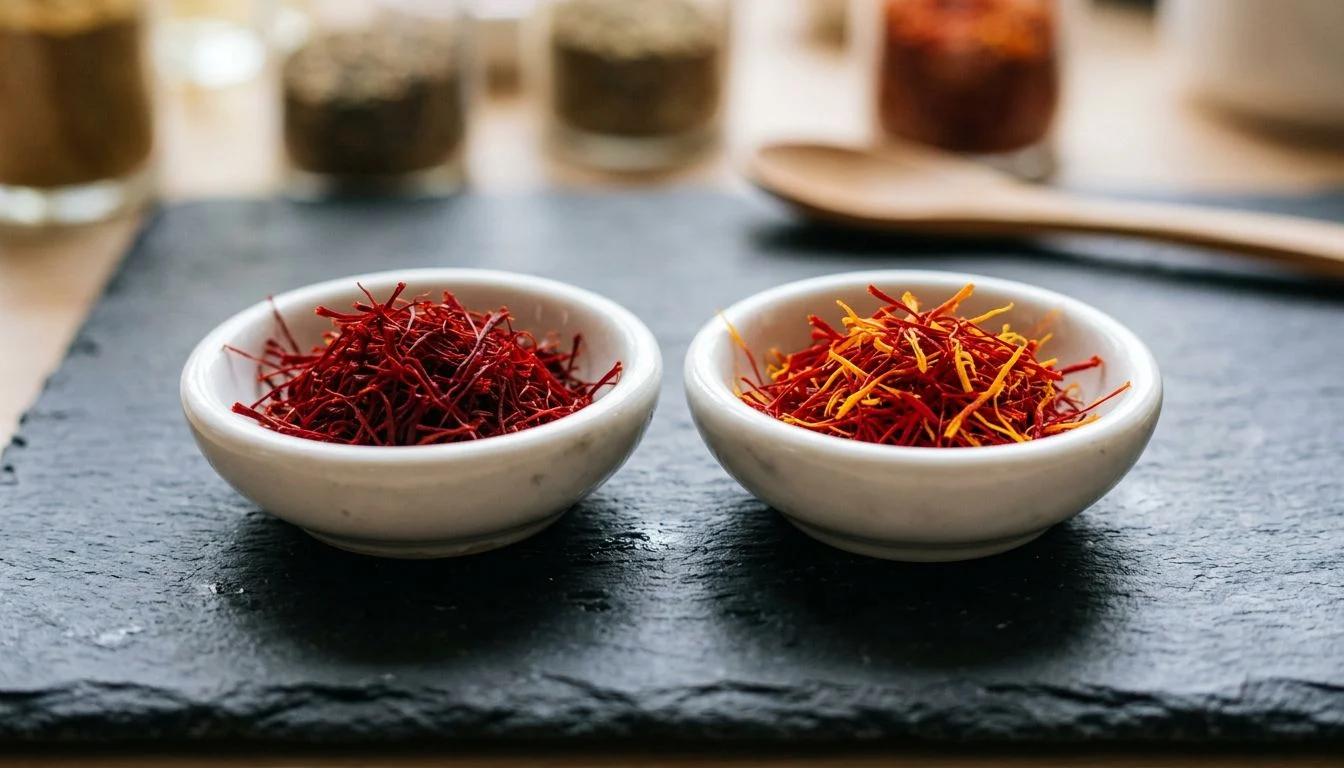
Iran grows most of the world’s saffron, and Morocco grows a small share of it. We found no published head to head…
-
Saffron Price per Gram in Morocco: Are You Paying Too Much?
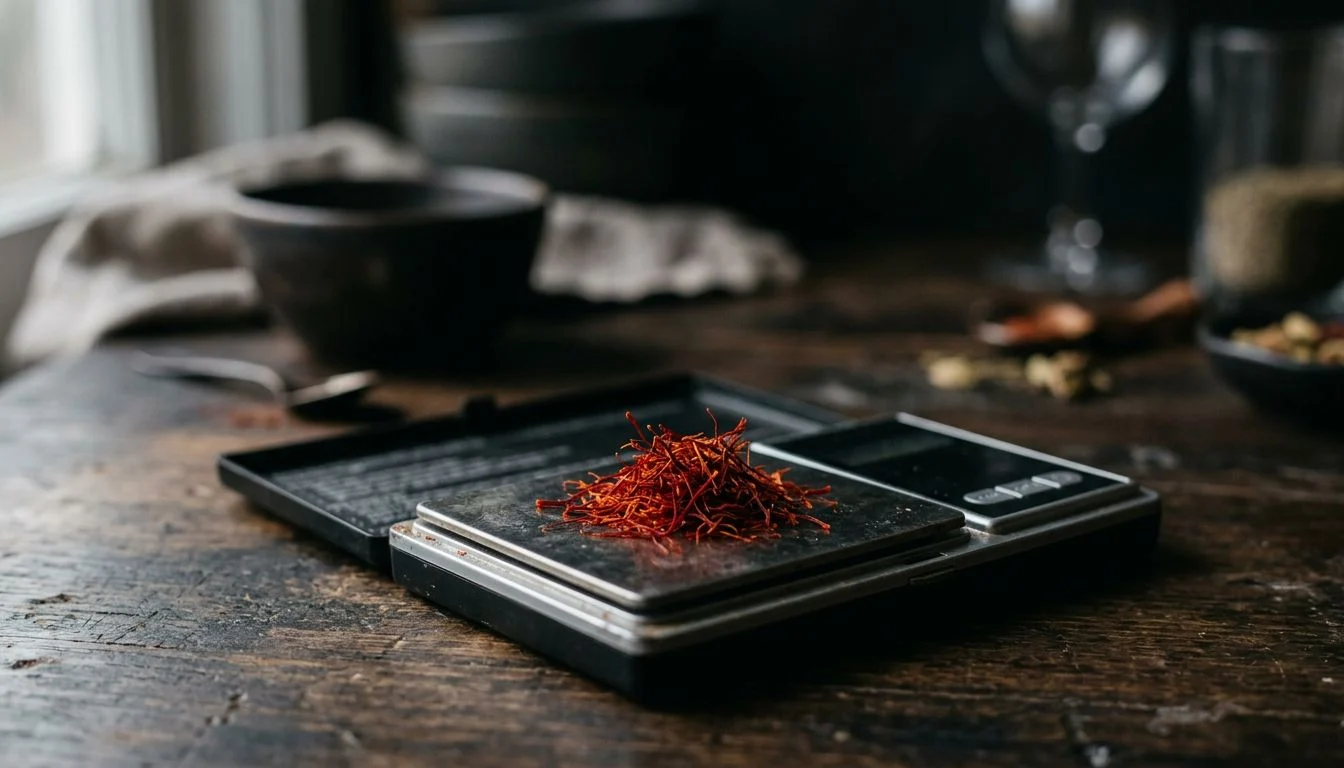
Recent Moroccan reports put genuine saffron at roughly 35 to 70 dirhams per gram in shops and fairs, while farmers received much…
-
Argan Oil for Skin: Traditional Use and What Is Known
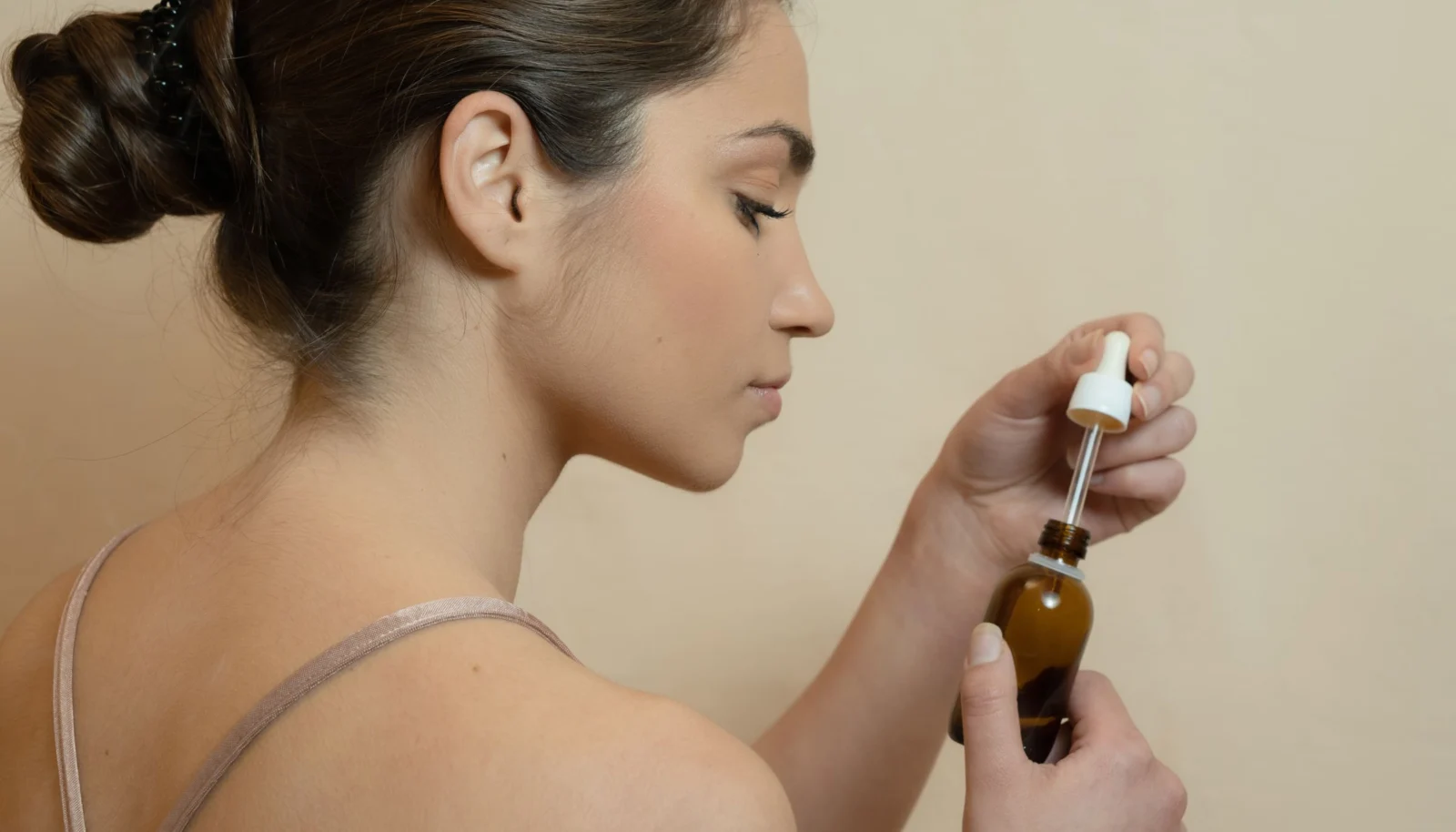
People traditionally use cosmetic argan oil on skin as a light, moisturising oil, applied in small amounts. A limited number of small…
-
Argan Oil for Hair: Traditional Use and What Research Says
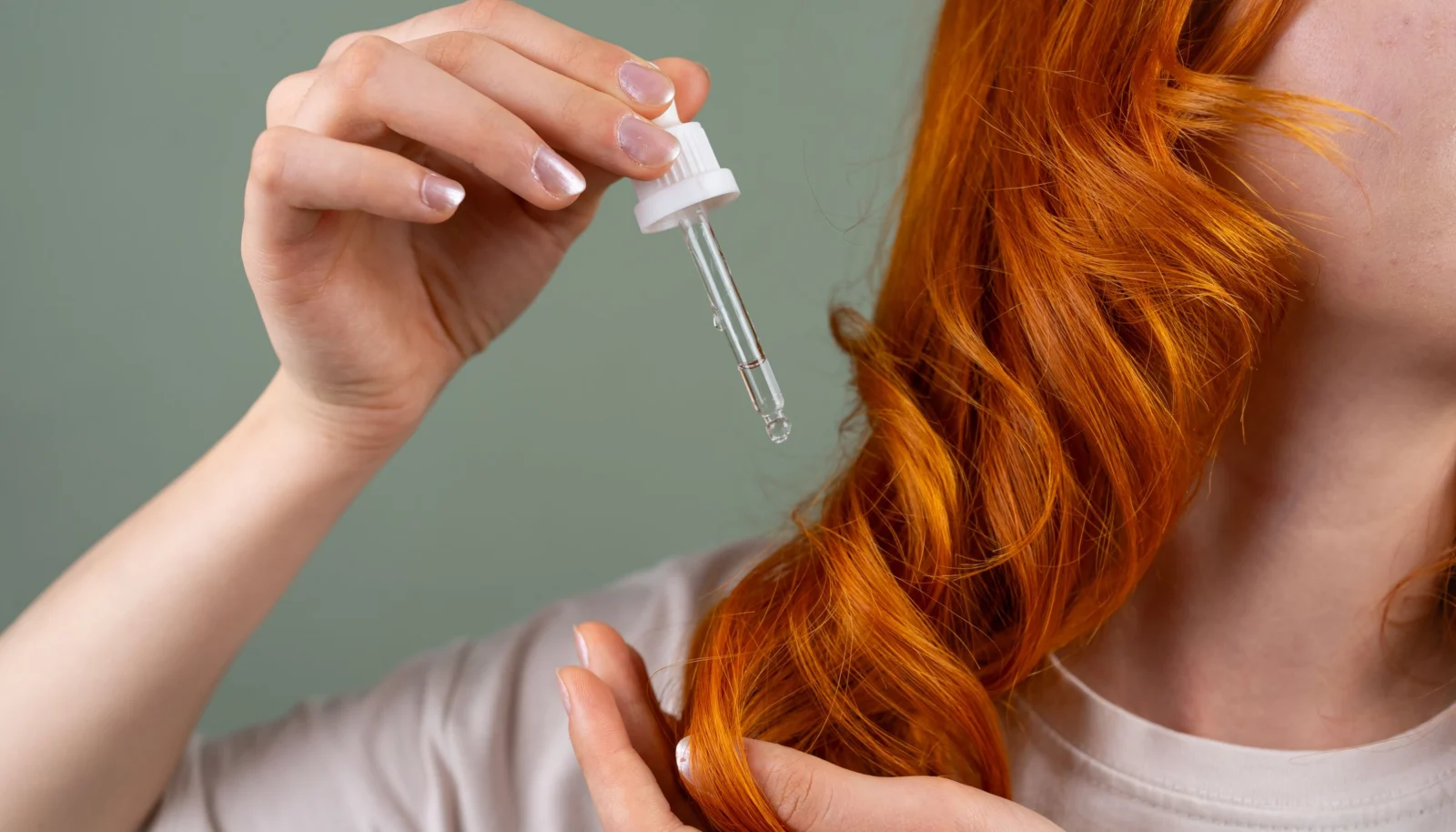
People traditionally use a few drops of cosmetic argan oil on the lengths and ends of dry hair as a conditioning oil.…
-
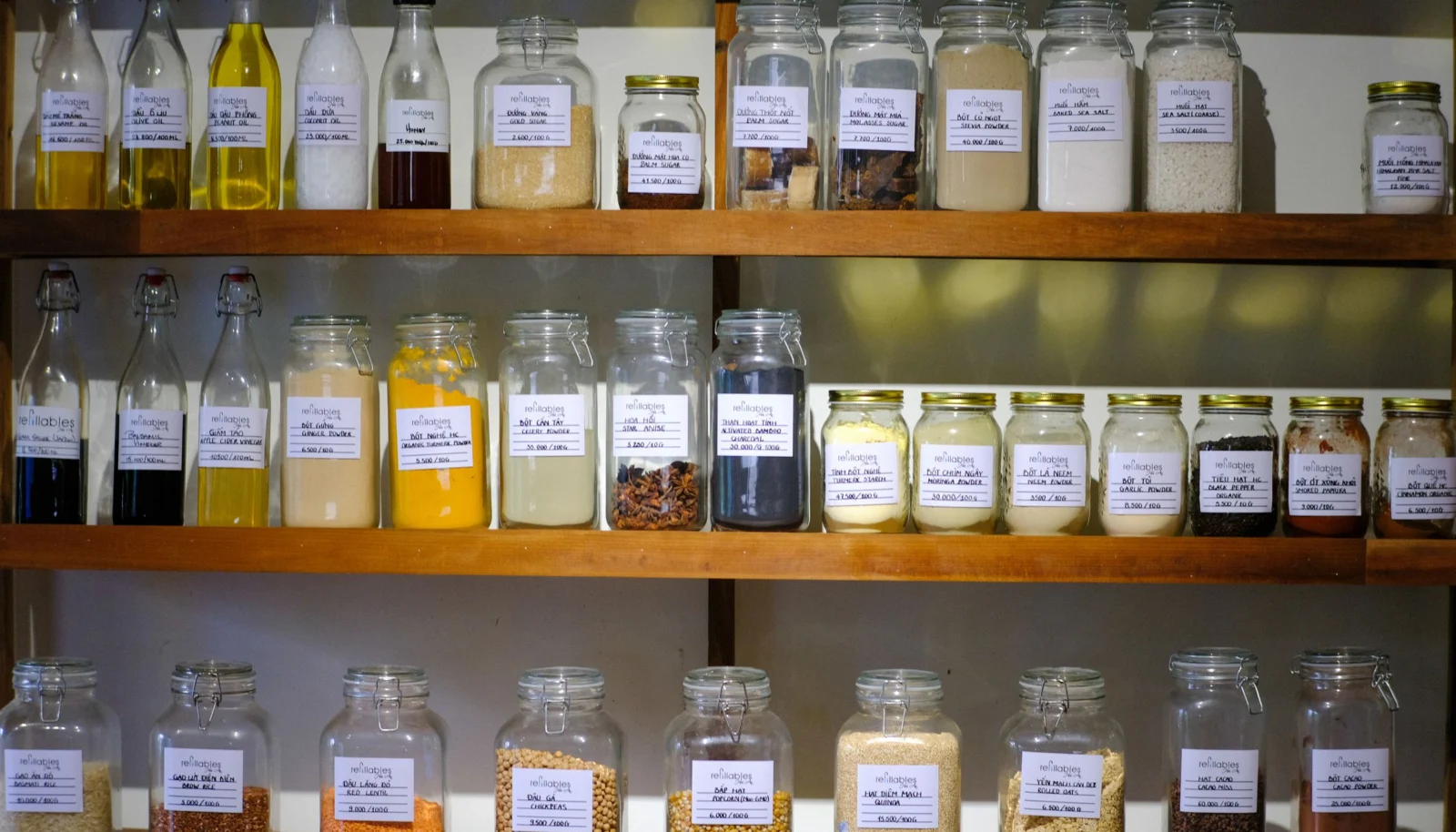
Argan Oil Shelf Life: How Long It Lasts and Signs It Is Off
Keep argan oil in a closed bottle, in a cool, dark cupboard, away from the stove and sunlight. Follow the date on…
-
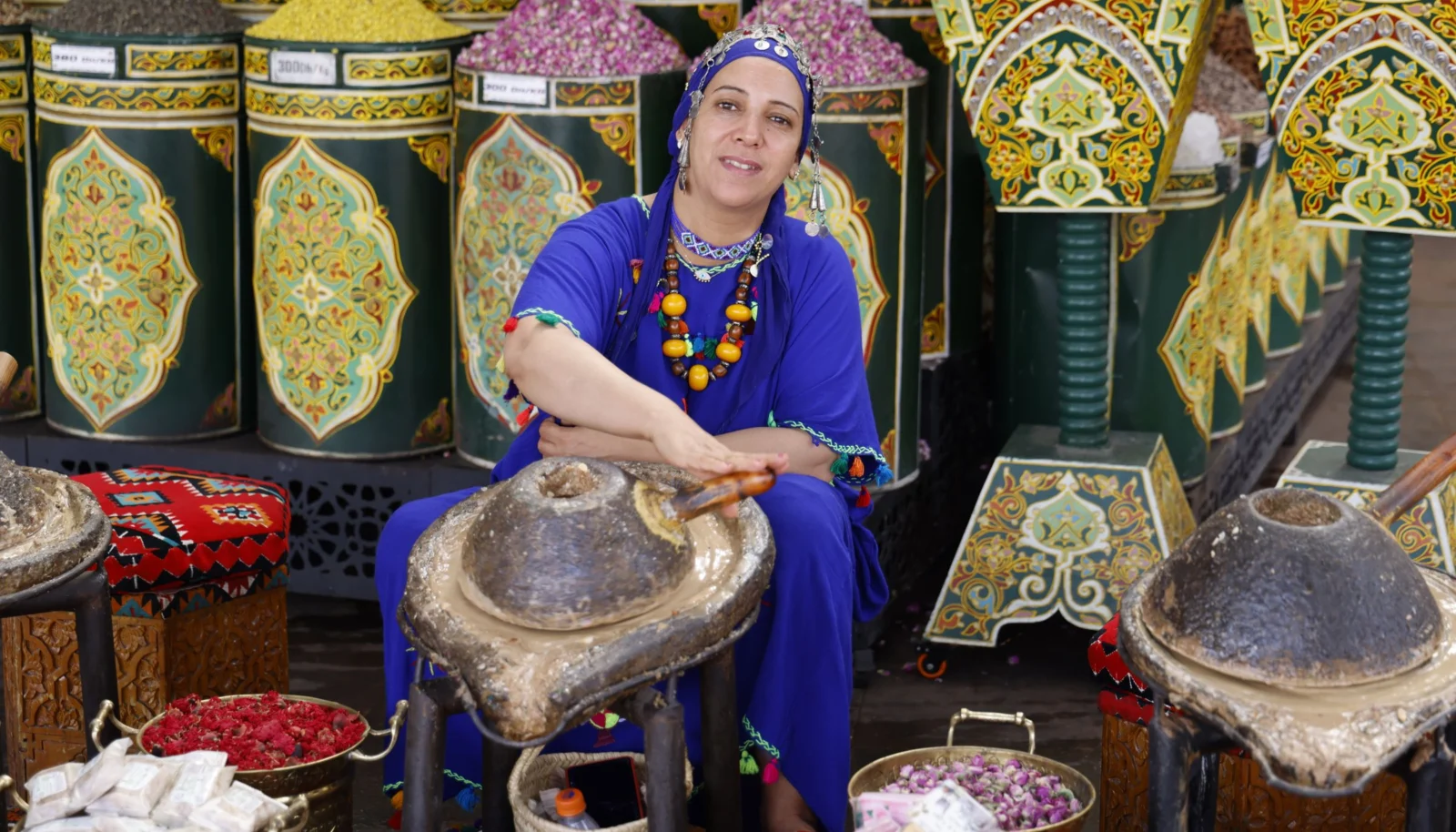
How Argan Oil Is Made: Kernels, Cooperatives and Pressing
Argan oil is made by collecting the fruit, removing the pulp, cracking the hard nut by hand to free the kernels, roasting…
-
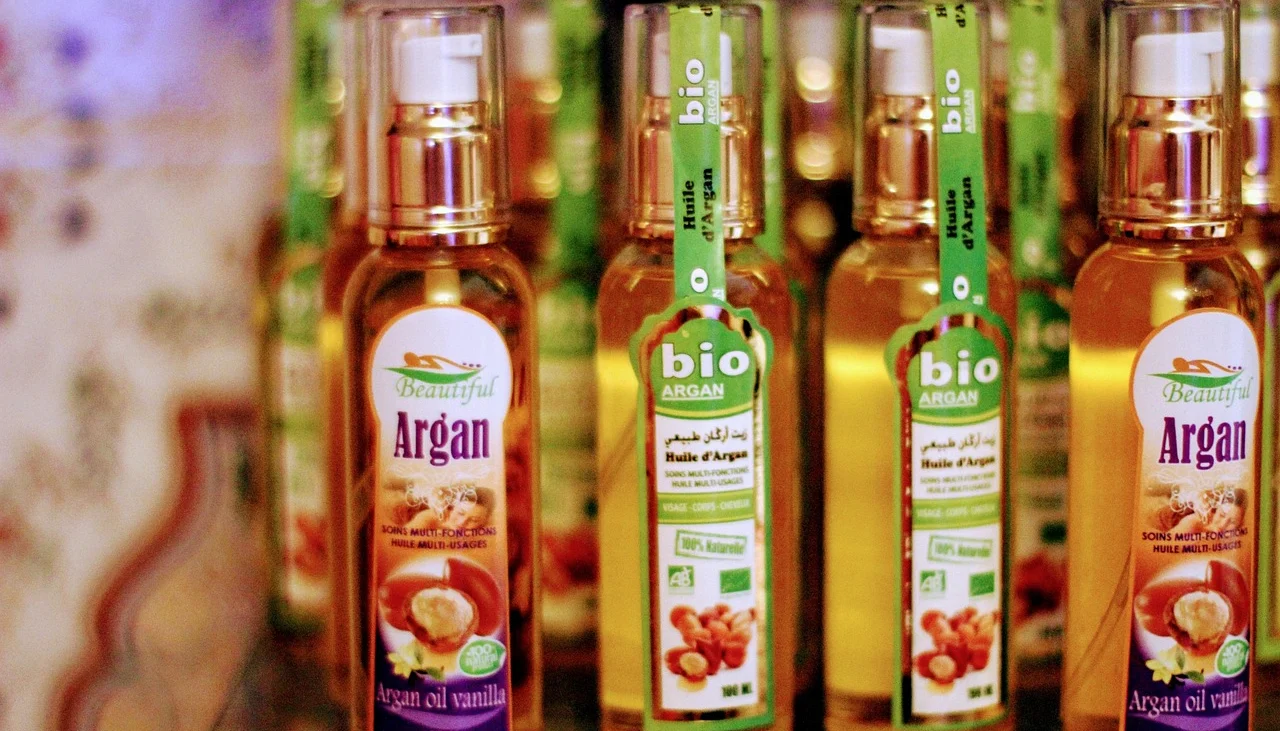
How to Buy Real Argan Oil: A Label Guide
Real argan oil comes with a clear label: a single ingredient, a producer or cooperative, a batch number and a date, in…
-
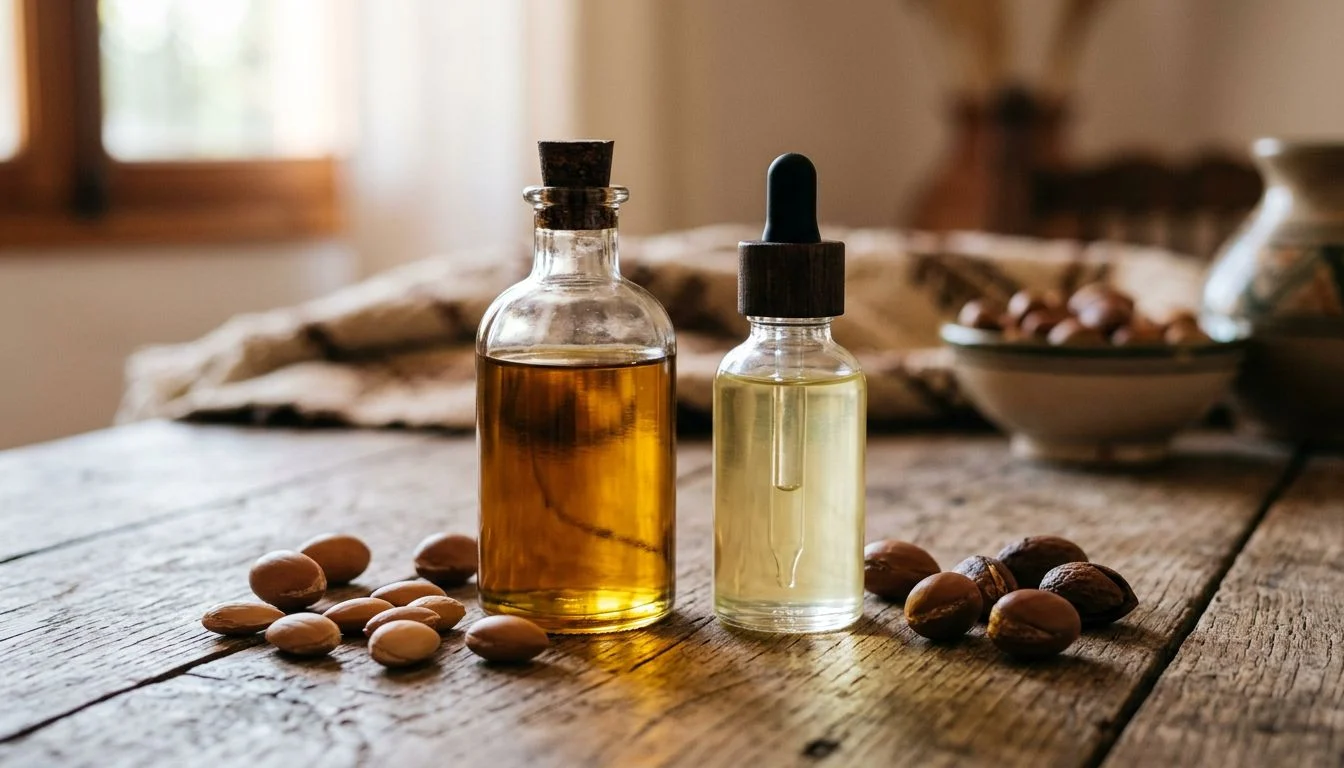
Culinary or Cosmetic Argan Oil: What to Buy for What
Culinary argan oil comes from roasted kernels, so it is darker, with a nutty flavour, and it is sold for eating. Cosmetic…
-
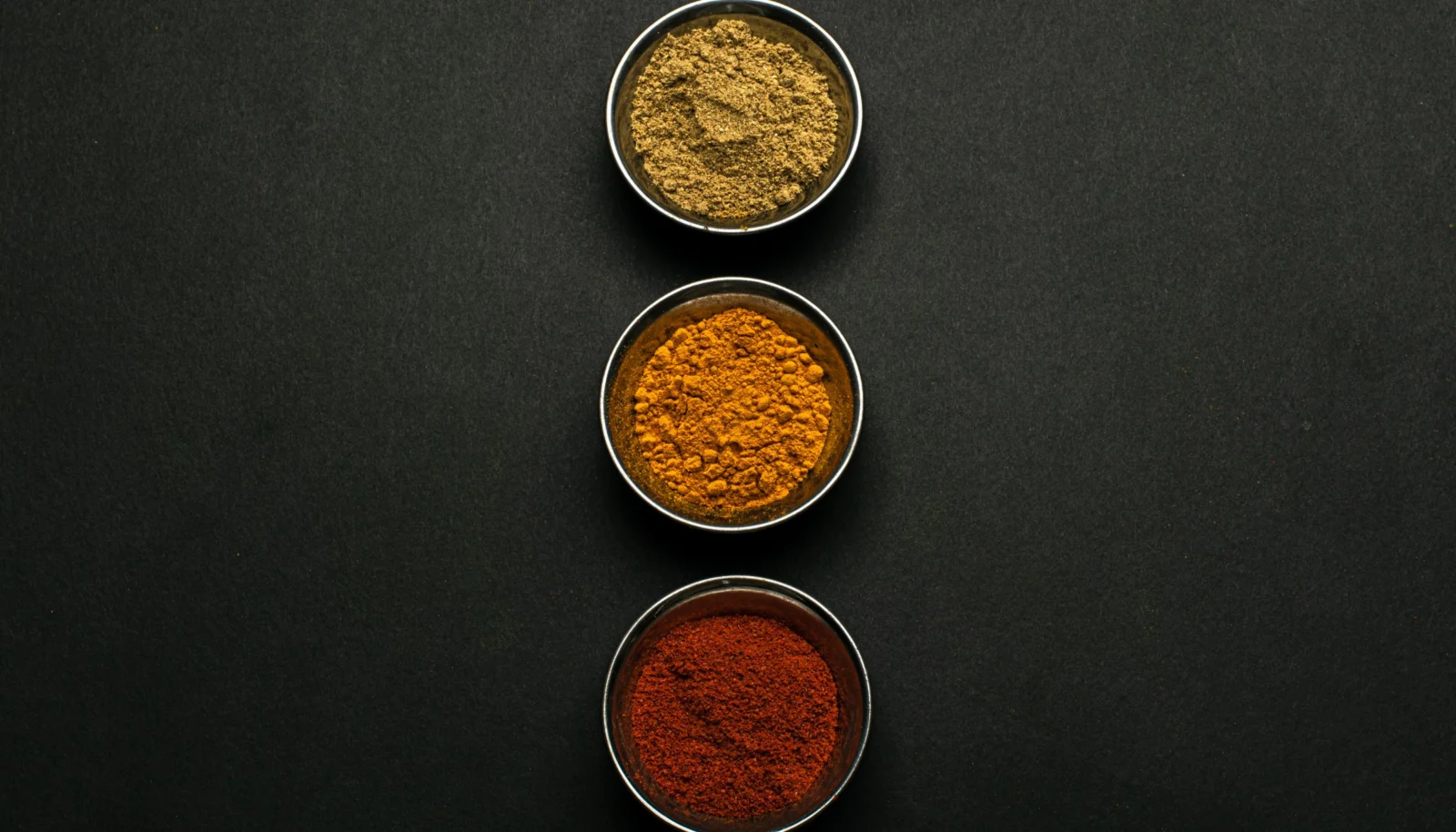
Saffron Substitutes: What Works and What Does Not
No ingredient matches saffron’s flavour and aroma. Turmeric and safflower can give a yellow colour, and a little paprika adds warmth, but…
-
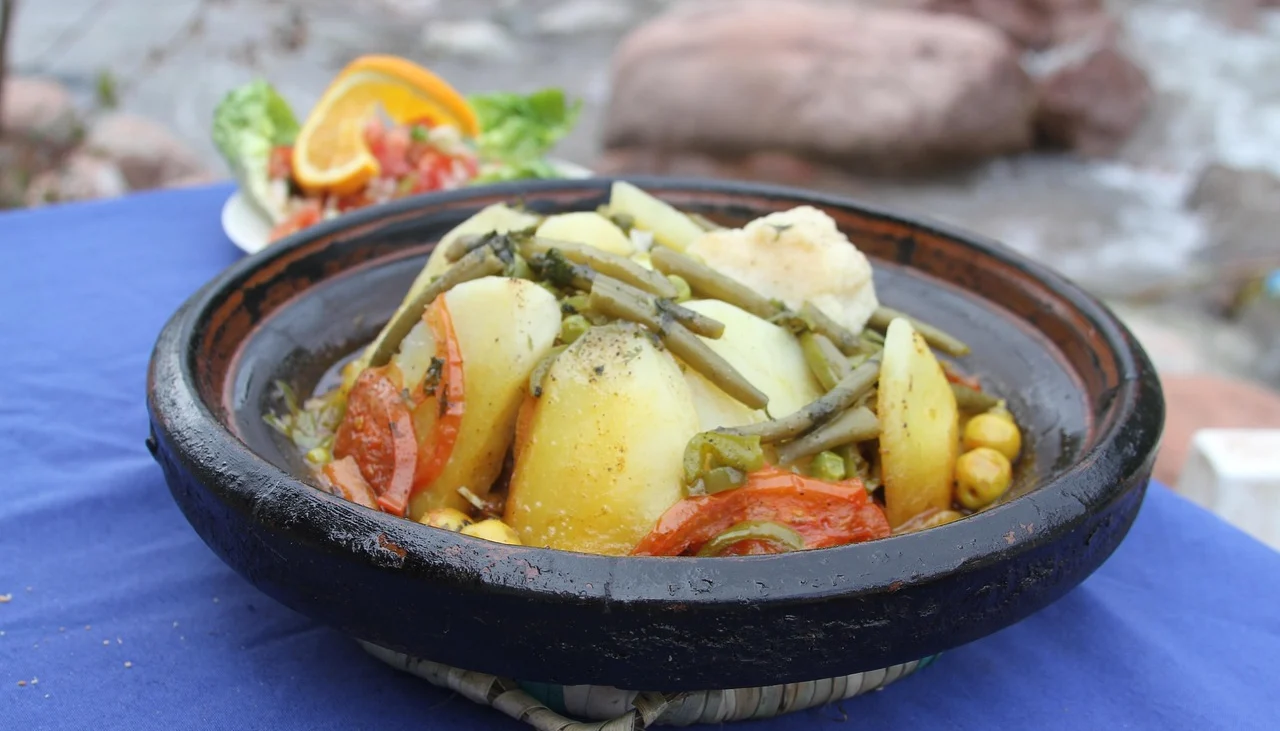
Moroccan Saffron Dishes: Tagine, Pastilla, Rice and Sweets
Saffron colours and perfumes several classic Moroccan dishes, including chicken tagines, pastilla, rice, some soups and sweets, and a cup of tea…