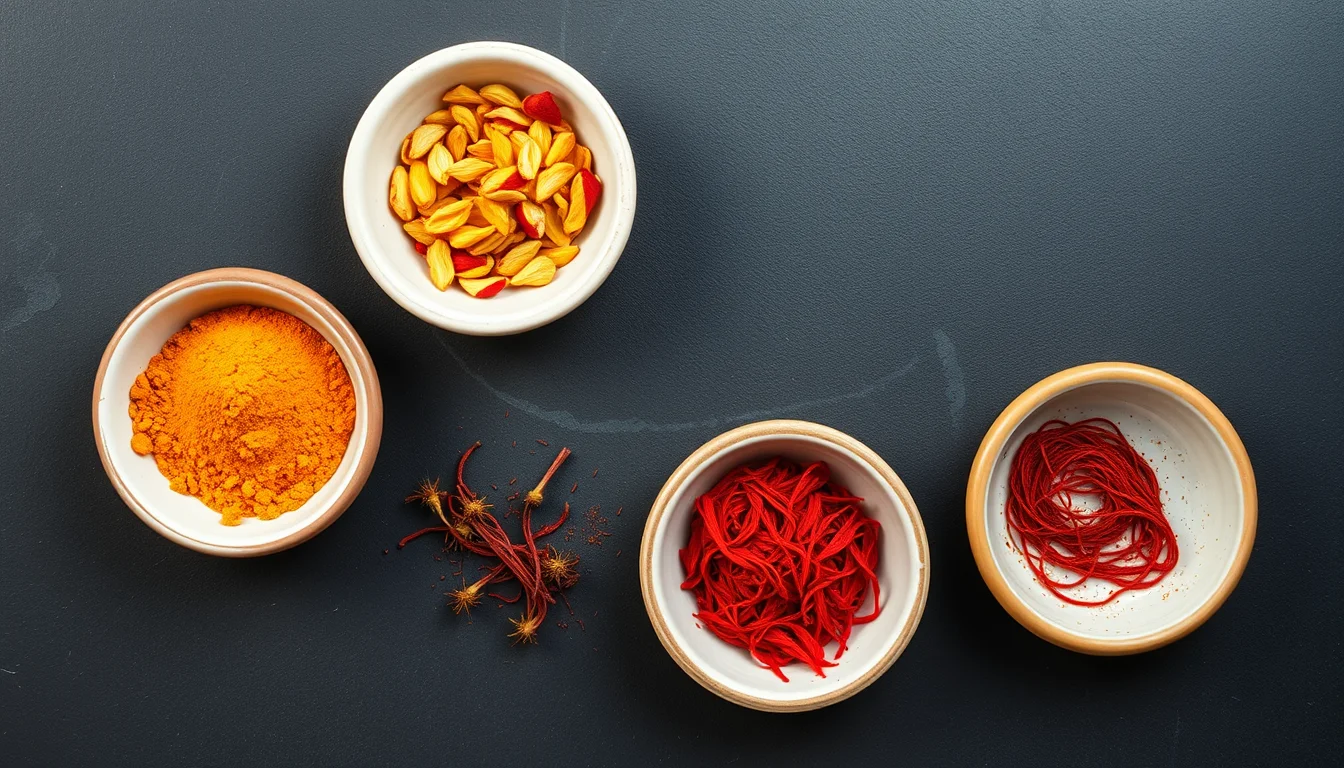
Short answer
No ingredient matches saffron’s flavour and aroma. Turmeric and safflower can give a yellow colour, and a little paprika adds warmth, but they change the taste. For dishes where saffron is the main flavour, it is often better to leave it out and rename the dish than to fake it.
Table of contents
- What saffron does in a dish
- The common options
- Which substitute for which dish
- When to leave it out
- A cheaper way to use real saffron
- Do not buy saffron powder cheaply as a shortcut
- A decision guide by situation
- Why substitutes disappoint
- Naming dishes honestly
- Making real saffron go further
- A note on saffron powder and imitation products
- Frequently asked questions
Sometimes you want the look of a saffron dish and do not have any saffron. Sometimes the price puts you off. This guide explains what each substitute can do, and where it falls short.
What saffron does in a dish
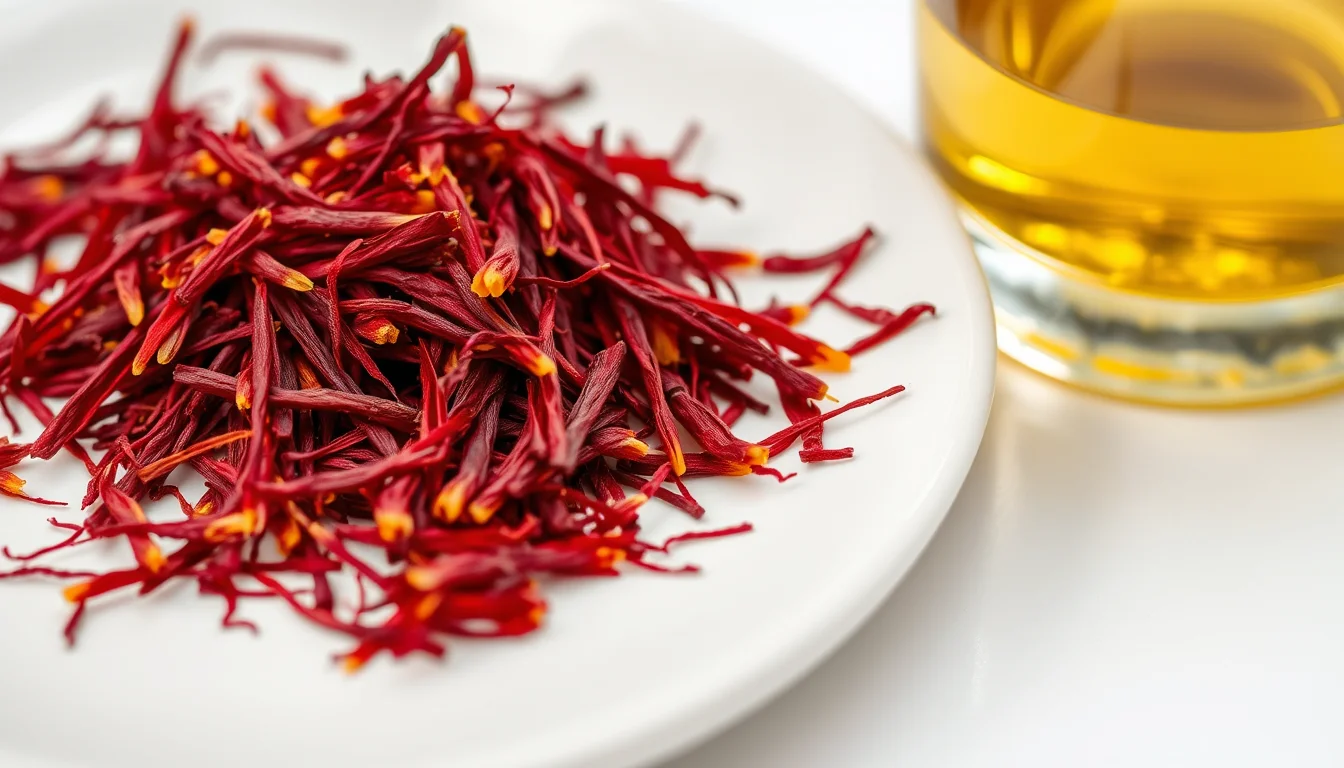
Saffron does three things at once. It gives a warm golden colour. It gives a floral, honeyed aroma with a slightly bitter edge. And it leaves a lingering flavour that is hard to describe. A substitute usually covers only the first job.
The common options
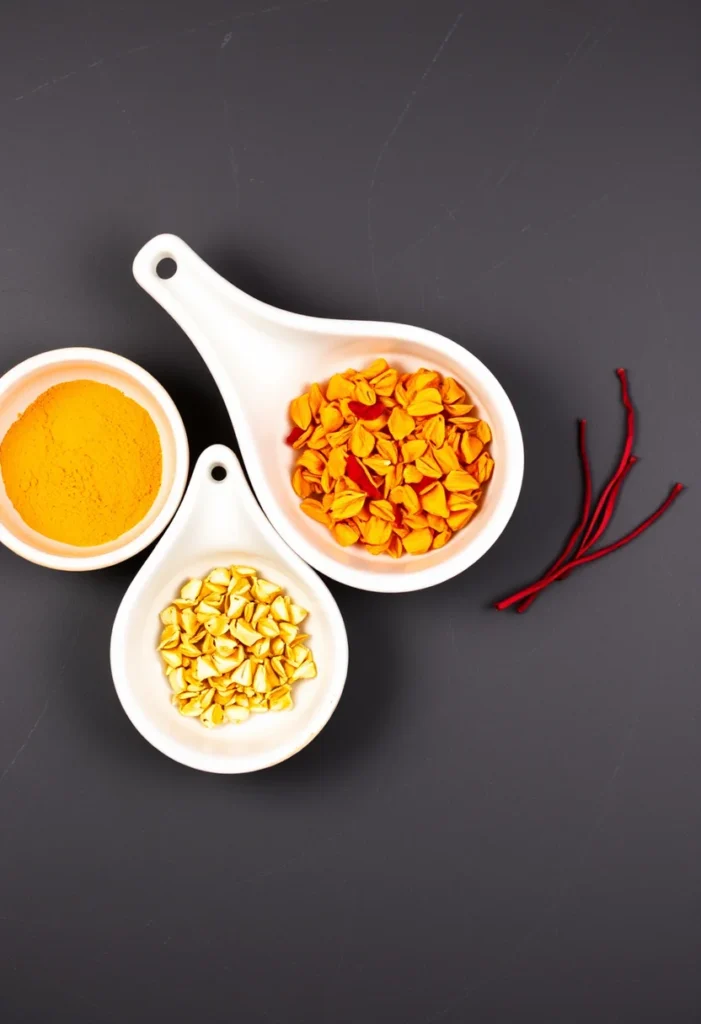
Turmeric
Turmeric gives a strong yellow colour and an earthy, slightly bitter taste. Use a very small amount, about a quarter of a teaspoon for a dish that serves four, and taste as you go. It works in rice, couscous and savoury stews. It does not work in desserts, where its earthiness stands out.
Safflower
Safflower petals, sometimes sold as “Mexican saffron” or “American saffron”, give a yellow colour and very little flavour. They can add colour to rice, but they are a different plant and should not be sold as saffron.
Paprika
A small amount of sweet paprika adds a reddish gold colour and mild warmth. It suits tomato based or roasted dishes, and it is a poor match for delicate rice or milk desserts.
Annatto
Annatto seeds give an orange colour and a mild, peppery flavour. They are common in some cuisines and less easy to find in others.
Orange blossom water or a little lemon zest
These add a fragrant note. They do not replace saffron, but they can make a dish taste perfumed and bright if colour is not the main goal.
Which substitute for which dish
| Dish | Best approach |
|---|---|
| Rice or couscous | A little turmeric for colour, plus a squeeze of lemon |
| Chicken tagine | Turmeric and ginger, and accept a different flavour |
| Milk pudding | Leave saffron out and use orange blossom water and cardamom |
| Tea | Use mint or orange blossom, and call it something else |
| Soups | Turmeric for colour, and a pinch of paprika if you like |
When to leave it out
If saffron is the star, as in a saffron milk pudding or a saffron tea, a substitute will disappoint you. Choose another flavour and rename the dish. An honest “orange blossom rice pudding” is better than a bad “saffron” one.
A cheaper way to use real saffron
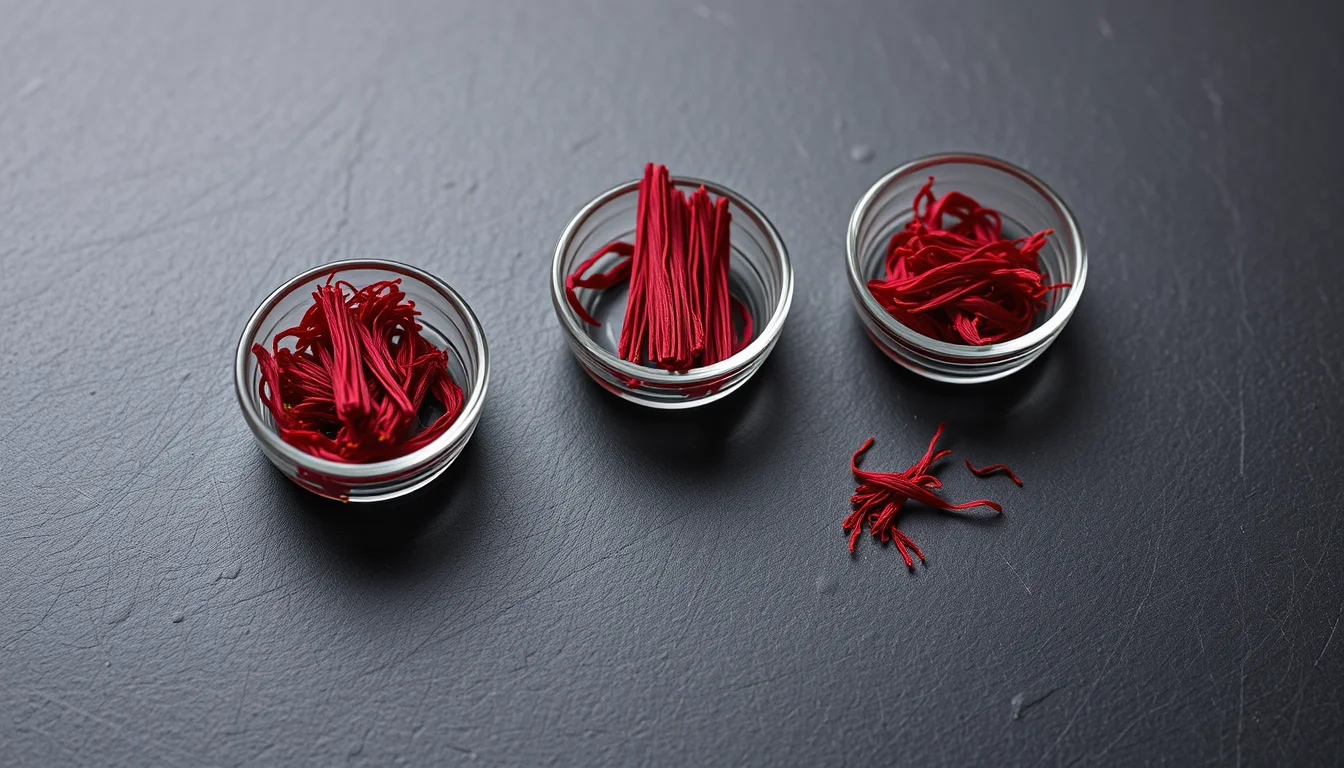
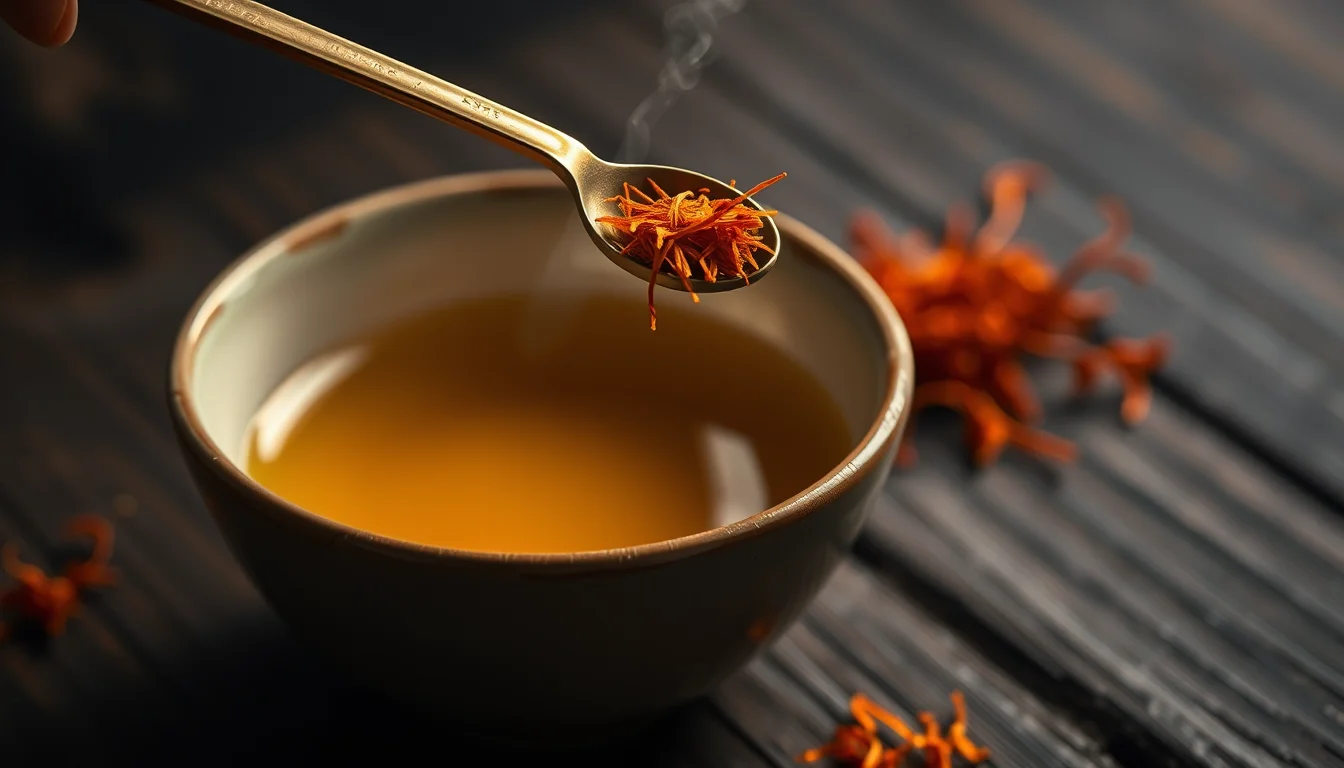
You can make a small quantity of real saffron go further. Crush it, steep it well and use it in one dish where it matters, instead of spreading it thinly across many. The amounts guide shows how far ten threads can go.
Do not buy saffron powder cheaply as a shortcut
Very cheap saffron powder is often not saffron alone. If a low price is your goal, use a substitute and say so, rather than buying a fake. The guide to telling real saffron from fake explains the risk.
A decision guide by situation
| Situation | What i would do |
|---|---|
| I have no saffron and the dish needs colour | Use a small pinch of turmeric, and taste |
| The dish is a dessert | Leave the saffron out and use orange blossom water or cardamom |
| I want the aroma more than the colour | Choose a fragrant ingredient, such as orange zest, and rename the dish |
| I want real saffron but only have a little | Use it in one dish where it matters, and steep it well |
| I am cooking for guests and want a special touch | Use real saffron in a small dish, such as tea or rice |
Why substitutes disappoint
Saffron has hundreds of aroma compounds, and no single ingredient replicates them. Colour is easy to copy, and flavour is not. When a recipe uses saffron mainly for colour, a substitute works reasonably. When it relies on aroma, a substitute leaves a gap.
Naming dishes honestly
If you swap saffron for turmeric, do not call the dish “saffron rice” on your site. Call it “golden rice”, or say “with turmeric” in the title. Honest naming builds trust with readers and with the reviewers who assess your site. The same applies to recipes you share with friends.
Making real saffron go further
- Crush and steep it properly.
- Use it in dishes where it is the star.
- Combine a very small amount with turmeric for colour in large family dishes. This is not the same as saffron rice, and it is honest if you say so.
- Buy from a seller you trust, so that you never waste money on a fake.
A note on saffron powder and imitation products
Very cheap powders sold as saffron are a common source of disappointment. If the price of a jar seems too low, read the ingredients, and read the guide to telling real saffron from fake.
Frequently asked questions
Can I use food colouring?
It gives colour and nothing else, and it may make the dish look artificial. Turmeric is a better everyday choice.
Is turmeric the same as saffron?
No. They are different spices from different plants, with different flavours.
Will a substitute change the recipe?
Yes, in taste and sometimes in colour. That is fine when you are honest about it.