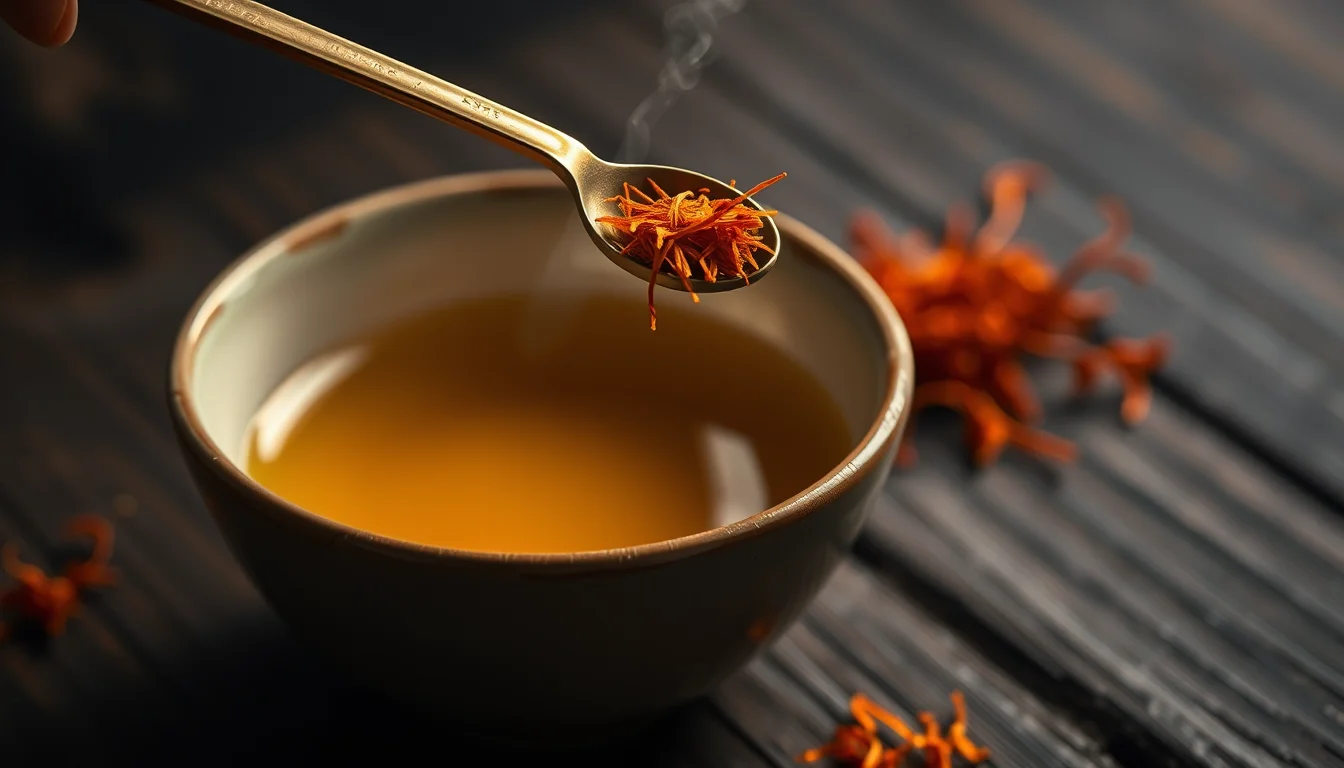
Short answer
Most home recipes need only a pinch of saffron, roughly 10 to 20 threads for a dish that serves four to six. Crush the threads, steep them in a little warm liquid for 10 to 20 minutes, then add the golden liquid to the dish. More saffron does not taste better and can turn bitter.
Table of contents
- Start with a pinch, and know what it means
- Starting amounts by dish
- How to bloom saffron
- When to add it
- Signs you used too much
- Signs you used too little
- Using powder instead of threads
- A note on safety
- Scaling saffron for different numbers of people
- Choosing the liquid
- A saffron concentrate for the week
- Troubleshooting
- Small habits that help
- Frequently asked questions
Saffron is strong, and it is expensive, so the aim is to use enough and no more. Recipes often say “a pinch”, which is not much help. This guide gives starting amounts for common dishes and explains how to draw the most out of each thread.
Start with a pinch, and know what it means
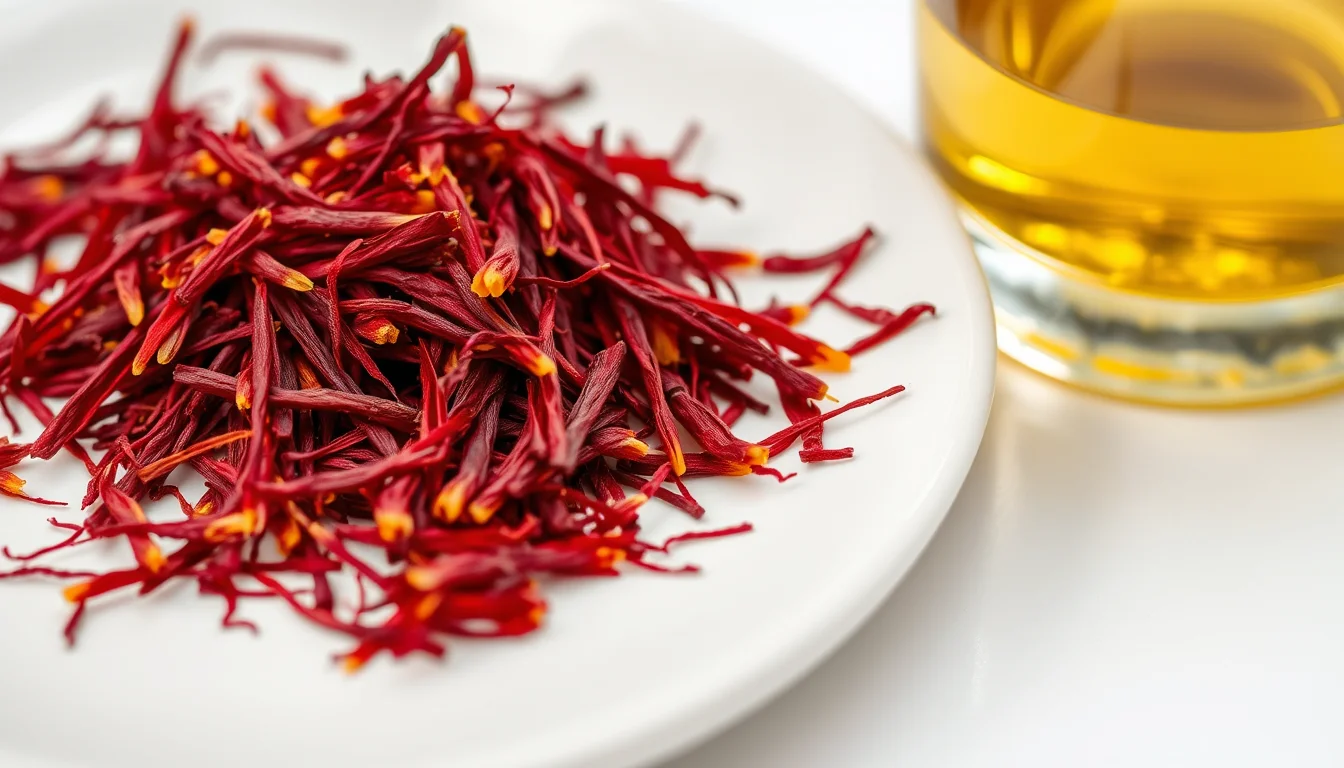
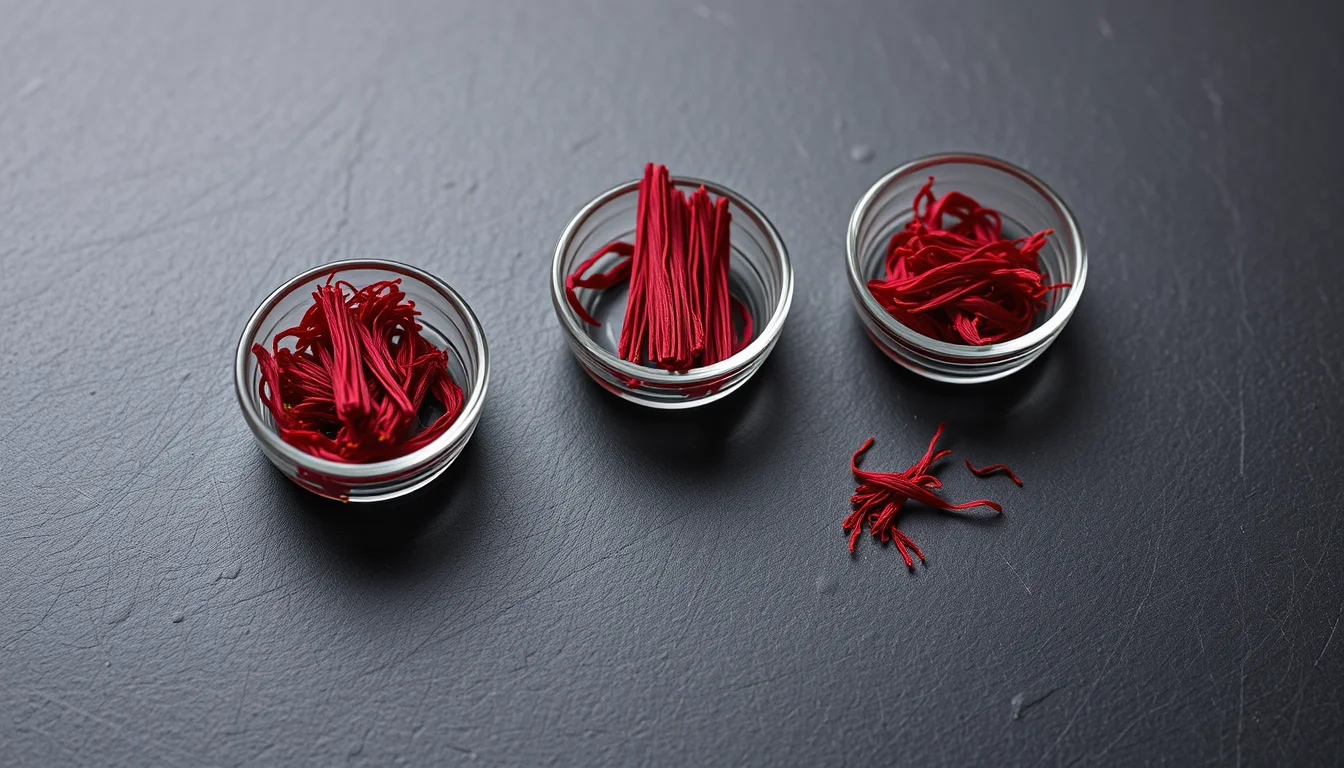
A pinch of saffron threads is what you can hold between thumb and forefinger. That is roughly 10 to 20 threads, or about 0.05 to 0.1 g, and it is enough for most dishes for four to six people.
Starting amounts by dish
These are starting points. Adjust to taste and to the strength of your saffron.
| Dish | Serves | Saffron threads |
|---|---|---|
| Saffron tea | 2 cups | 8 to 10 |
| Rice | 4 | 15 to 20 |
| Chicken tagine | 4 | 15 to 20 |
| Milk pudding | 4 to 6 | 15 to 20 |
| Couscous | 4 | 10 to 15 |
| Soup or stew | 6 | 15 to 25 |
How to bloom saffron
Threads dropped straight into a pot release very little colour. Blooming helps.
- Put the threads in a small bowl, with a pinch of sugar or salt if you like. The grains help you crush them.
- Crush them gently with the back of a spoon or a small mortar.
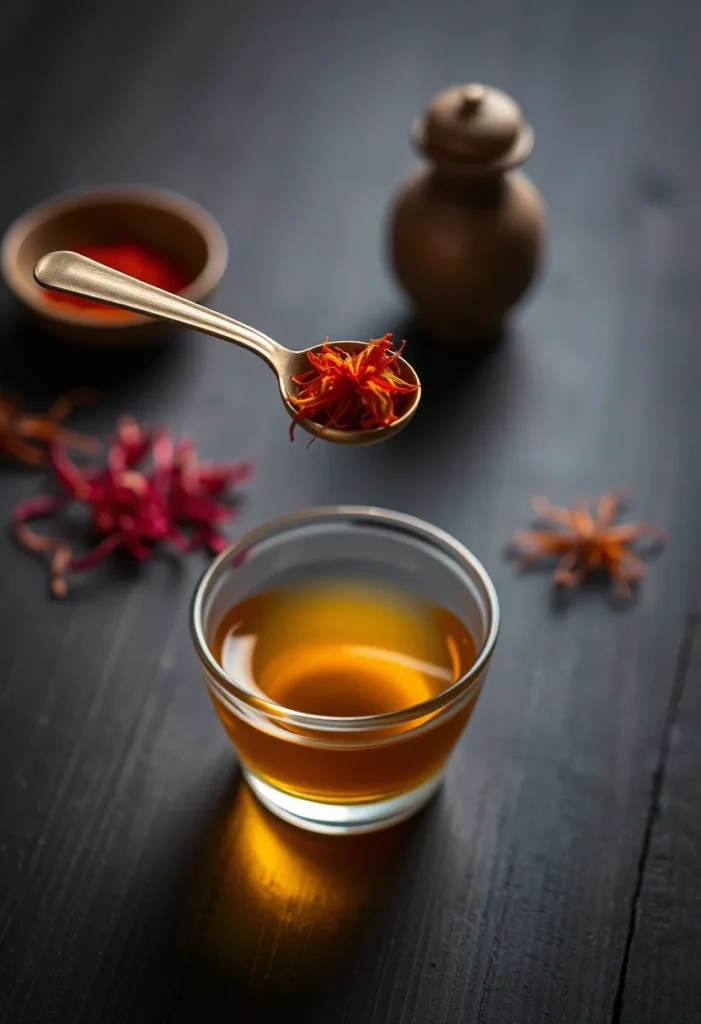
- Pour on 2 to 4 tablespoons (30 to 60 ml) of warm water, milk or stock. Use warm liquid, not boiling.
- Leave it for 10 to 20 minutes, until the liquid is a deep golden colour.
- Add the liquid and the threads to the dish, ideally toward the end of cooking.
For a milk pudding, steep the saffron in a little warm milk. For rice, use warm water or stock. For a tagine, use a spoonful of the cooking broth.
When to add it
Saffron survives simmering, but very long, hard boiling dulls the aroma. In a tagine, add the saffron liquid early enough to flavour the sauce and keep the pot at a gentle simmer. In rice, add it before or after steaming. In desserts, stir it in at the end.
Signs you used too much
Too much saffron tastes bitter and medicinal. It can also leave a heavy, perfumed taste that overwhelms other flavours. If you have overdone it, add a little more of the other ingredients, or serve the dish with something plain such as yoghurt or bread.
Signs you used too little
The dish looks pale, and you can barely smell it. Next time, steep longer, use warmer liquid or add a few more threads. Do not add dry saffron at the last minute, as it will not release its colour in time.
Using powder instead of threads
Powder dissolves faster but is harder to judge. Use a very small pinch, about half of what you would use in threads, and taste before adding more.
A note on safety
Saffron in cooking amounts is a common food. If you are pregnant, breastfeeding, take medication or have a medical condition, ask a health professional before you use it regularly or in larger amounts. Do not take saffron in quantities beyond normal cooking.
Scaling saffron for different numbers of people
| Dish | 1 to 2 people | 4 people | 8 people |
|---|---|---|---|
| Rice or couscous | 6 to 8 threads | 15 to 20 threads | 30 to 40 threads |
| Chicken tagine | 6 to 8 threads | 15 to 20 threads | 30 threads |
| Milk pudding | 6 to 8 threads | 15 threads | 25 to 30 threads |
| Tea | 4 to 5 threads | 8 to 10 threads | 16 to 20 threads |
These are starting points. Saffron strength varies, and so does taste.
Choosing the liquid
Warm water works for almost everything. Milk suits puddings and rice desserts. Stock adds depth to rice and stews. Rose water or orange blossom water add fragrance in sweets, and you should use them in small amounts. Avoid very salty or very acidic liquids for steeping, since they can change the flavour.
A saffron concentrate for the week
If you cook with saffron often, you can steep a larger amount at once. Crush 30 threads, steep them in 120 ml (1/2 cup) of warm water for 30 minutes, cover the liquid and keep it in the fridge. Use a tablespoon or two at a time. It is best within a couple of days, because the flavour fades. Do not keep a concentrate for long.
Troubleshooting
| Problem | Likely cause | What to do |
|---|---|---|
| The dish is pale | Too little saffron or too short a steep | Steep longer, use warmer liquid and add a few threads |
| The dish tastes bitter | Too much saffron | Add more of the other ingredients and serve with something plain |
| The colour looks dull | Old saffron, or a long hard boil | Use fresher saffron and simmer gently |
| The saffron will not dissolve | Threads were not crushed | Crush with a pinch of sugar or salt |
Small habits that help
Crush the saffron in the same bowl you will steep it in, to lose nothing. Keep a small spoon just for saffron. Steep it while you prepare other ingredients, so the time costs you nothing. And taste as you go, because saffron changes as a dish cooks.
Frequently asked questions
Can I skip blooming?
You can, but you will use more saffron for less colour. Blooming costs you ten minutes and saves threads.
Can I reuse the threads?
Once the threads are pale and the liquid is golden, most of their strength is gone. Add them to the dish and do not try to steep them again.
Can I keep saffron in the freezer?
Some cooks do, but condensation is a risk each time you open the container. A cool, dry cupboard is simpler. The storage guide explains the details.