Short answer
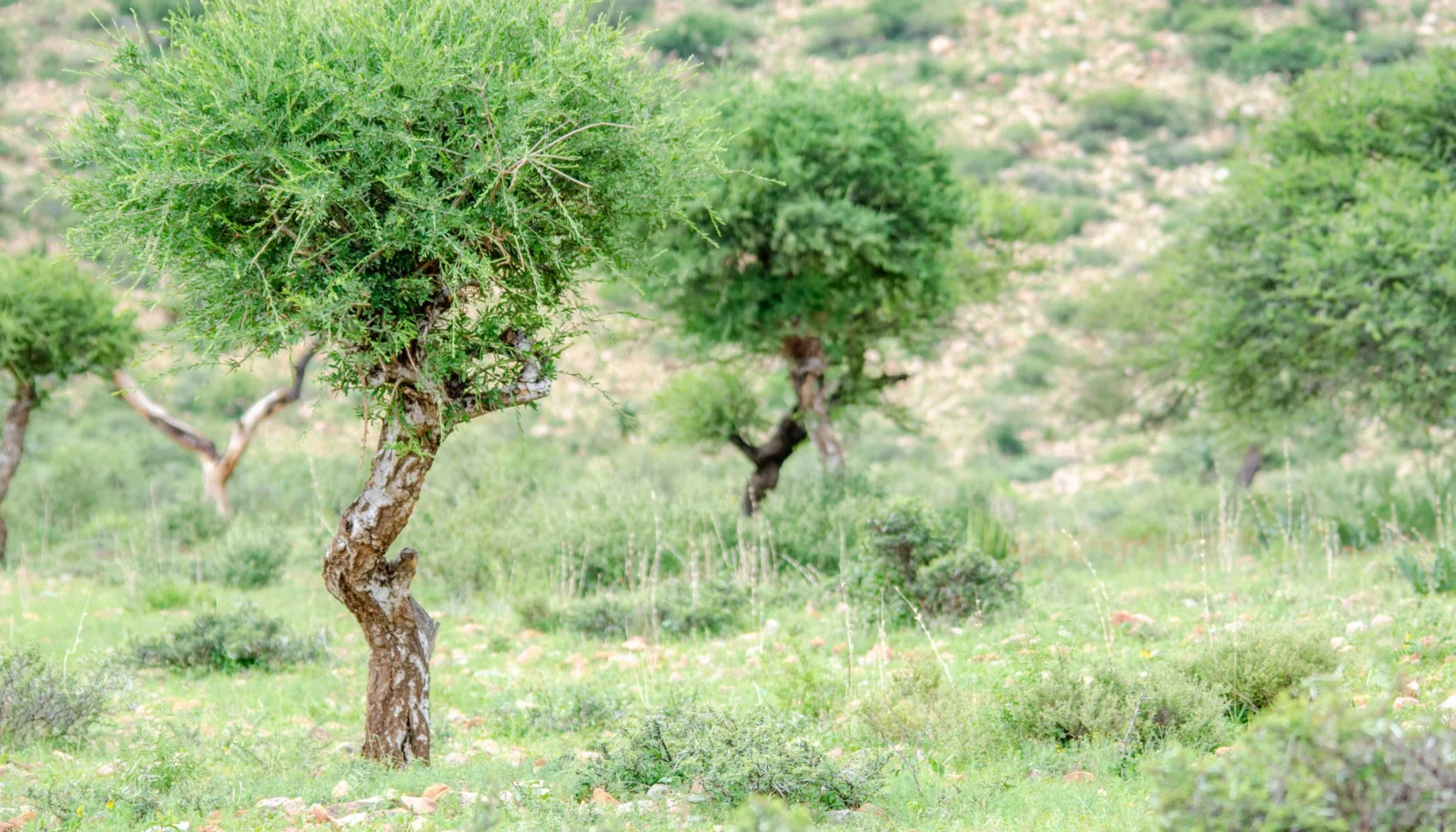
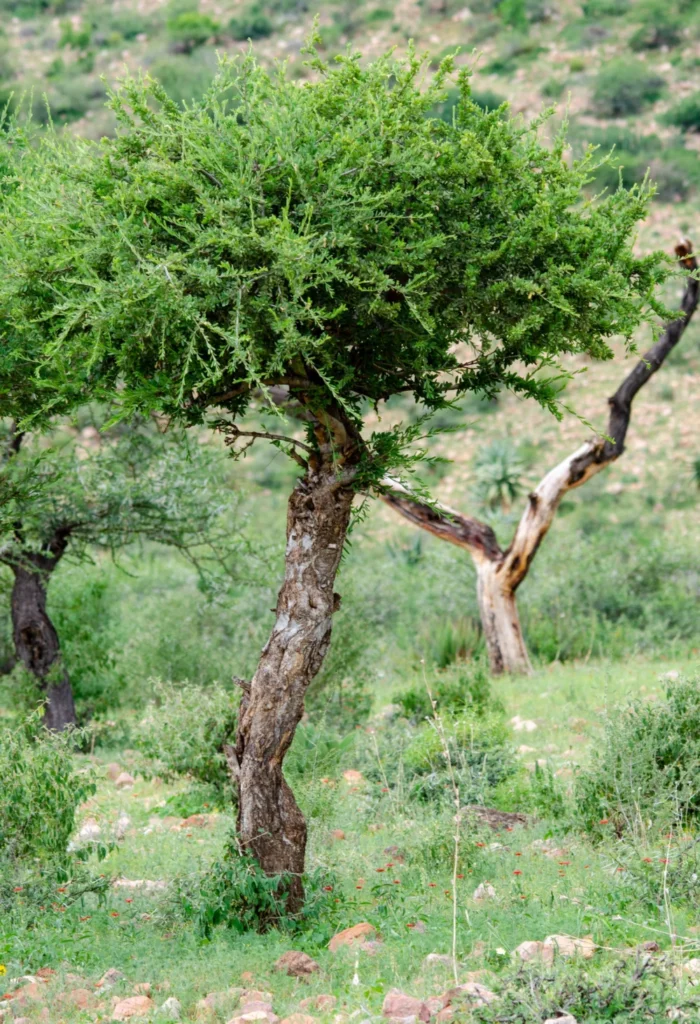
The argan forest, called the Arganeraie, grows in southwestern Morocco and is protected by two UNESCO designations, which is why the argan forest is often discussed together with UNESCO. It is also under pressure from drought, grazing, overharvesting, and rising demand for the oil. Sources agree that the forest has lost ground over the past decades, but they disagree on how much, so we show the figures side by side below.
Table of contents
What UNESCO protects
There are two separate designations, and they are often confused:
- A biosphere reserve. TravelAwaits reports that the entire 2.5 million hectare argan forest region was declared a UNESCO Biosphere Reserve in 1998 (TravelAwaits).
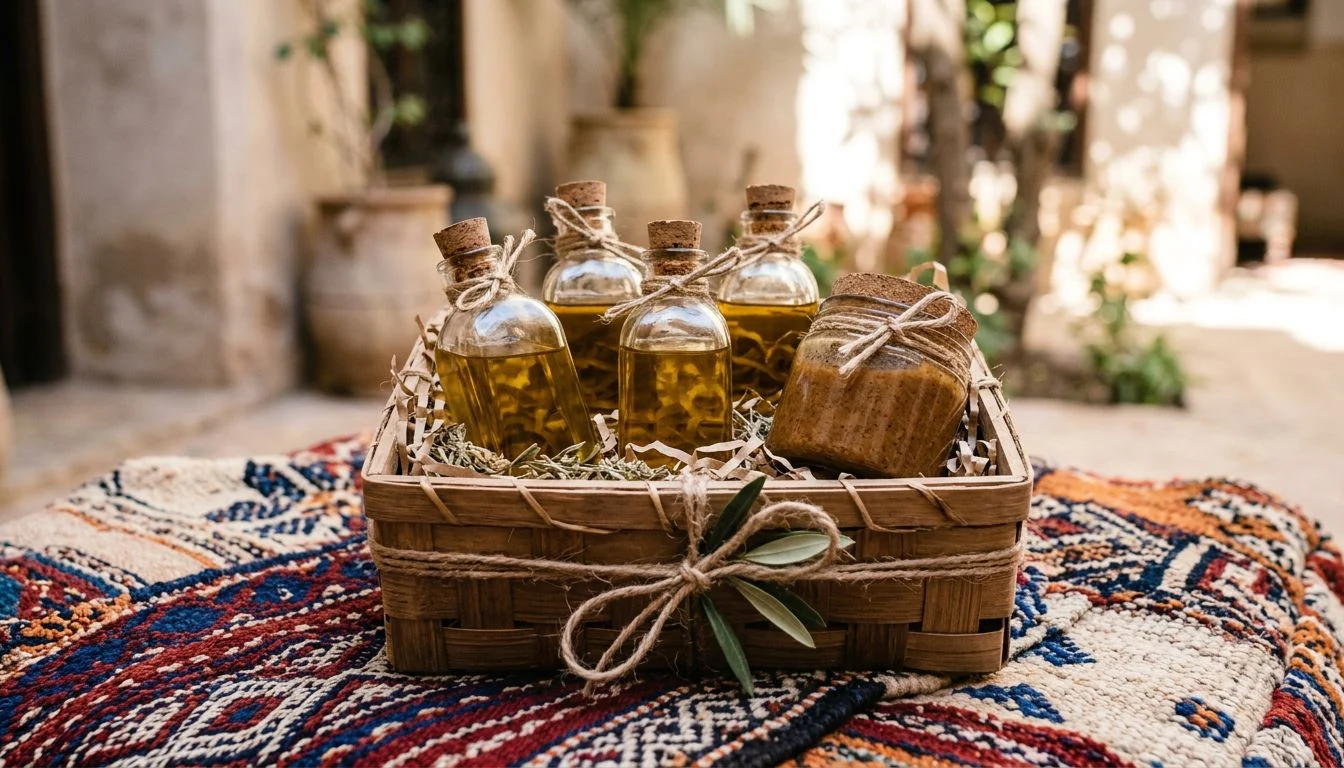
- Intangible cultural heritage. In 2014, UNESCO inscribed the practices and know how around the argan tree on its Representative List. The list entry says the knowledge is practised in the Arganeraie Biosphere Reserve, mainly by rural women who teach their daughters, and that the tree provides oil for cooking, medicine, and cosmetics, and is used as a wedding gift (UNESCO).
Why the argan forest matters
- Livelihoods. Wikipedia says the argan sector supports about 2.2 million people in the main producing region (Wikipedia), while a 2025 Hespress report mentions about 25,000 jobs, mostly rural and many held by women in cooperatives (Hespress English). The two numbers measure different things, one people supported and the other jobs.
- The land itself. Wikipedia notes that the tree’s deep roots help protect the land against desertification.
- Culture. UNESCO describes the practices as a source of social cohesion and mutual respect between communities.
How much has been lost?
| Source | What it reports |
|---|---|
| Africanews, 2025 | The forest once covered more than 14,000 square kilometres and has lost about 40 percent in recent decades |
| TravelAwaits | Nearly half of the forest disappeared in the 20th century, and tree density fell from about 100 to under 30 per hectare |
| Afi and colleagues, 2024 | Density fell from 300 trees per hectare to under 100 by the 1990s, one case study found a 44.5 percent reduction between 1970 and 2007, and the forest declined by 5 percent between 1987 and 2014 |
These figures use different areas, periods, and methods, so they cannot be merged into one number. What they share is the direction: fewer trees and a thinner forest.
What threatens the trees
- Drought. Professor Zoubida Charrouf told Africanews that the region has had six consecutive years of drought, and the 2024 study measured signs of water stress in the trees, with a lower relative water content than in 2013 (Afi and colleagues, 2024).
- Grazing. Charrouf said goats and camels feeding on leaves and fruit weaken the forest further. Goats traditionally climb the trees to feed, and our article on the argan tree and its goats will cover this in more detail.
- Overharvesting. Women’s cooperatives warn that harvesting fruit before it is ready damages the trees and the quality of the oil (Africanews).
- Demand. Africanews reports that the global price has risen from about 2.50 dollars to about 60 dollars per litre over three decades, while rural workers earn little, and the 2024 study found that most of the forest loss went to cropland or rangeland.
- Climate change. The 2024 study concludes that reforestation, stronger laws, and research on drought resistant varieties are needed.
What is being done
- Seasonal closures. The traditional Agdal system closes the forest to harvesting for part of the year so that it can regenerate. Jamila Idbourrous told Africanews that closures are announced publicly and that no harvesting happens during them.
- Reforestation. The government has planted argan trees together with capers to improve soil and water retention (Africanews). Wikipedia mentions an earlier effort in 2009 that planted 4,300 trees in Meskala.
- A day for the tree. Hespress says Morocco established International Argan Tree Day in May 2021 and adds that institutional efforts remain insufficient.
How you can help
- Buy from cooperatives that respect harvest closures, and ask them how they do so.
- Avoid very cheap oil, which can encourage harvesting at the wrong time.
- Support reforestation projects that you can verify.
- Use the oil with care and for its intended purpose, as our guide to culinary and cosmetic argan oil explains.
Frequently asked questions
Is the argan tree endangered?
The sources describe a declining and stressed forest, but we did not find a formal extinction risk listing, so we do not use that word.
Where does the argan tree grow?
In the Arganeraie, a region of southwestern Morocco, in and around the Souss Massa region.
Does buying argan oil harm the forest?
It depends on how the oil is harvested. Buying from cooperatives that respect closures supports the forest, while demand that rewards early or heavy harvesting harms it.
What is the Agdal system?
A traditional practice that closes an area to harvesting for a season so that it can recover.
Sources
- TravelAwaits (travelawaits.com)
- UNESCO (ich.unesco.org)
- Wikipedia (en.wikipedia.org)
- Hespress English (en.hespress.com)
- Africanews, 2025 (africanews.com)
- Afi and colleagues, 2024 (mdpi.com)