Table of contents
Why bloomed saffron works better
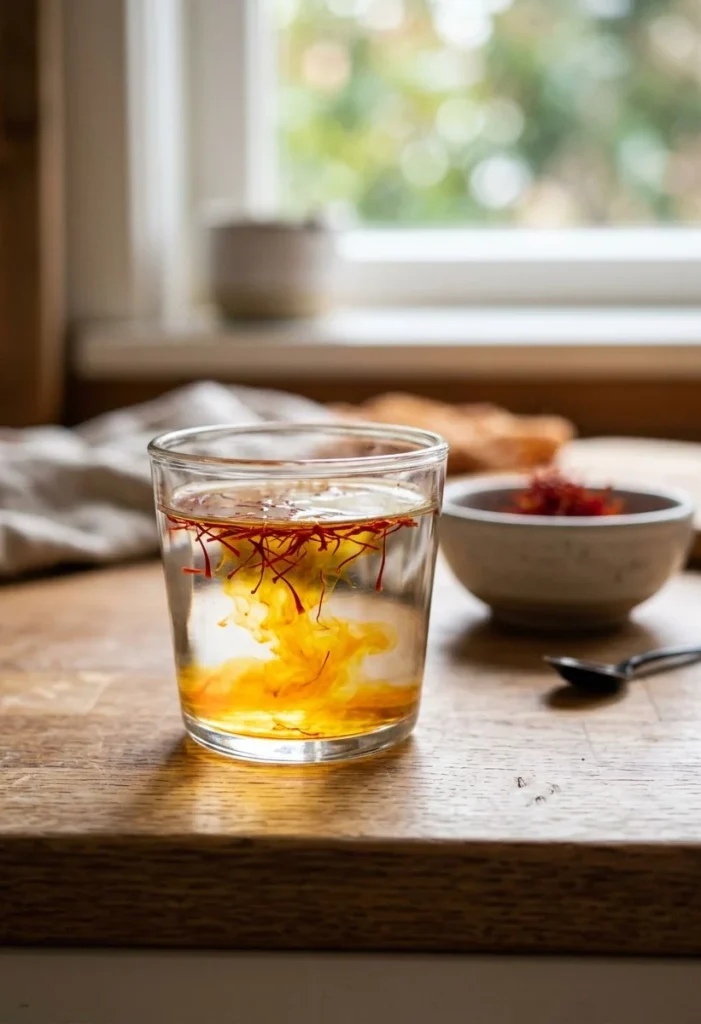
Saffron threads are dry and release their colour and aroma slowly. Steeping them in a liquid before you cook, which cooks call blooming, spreads the flavour through the whole dish and gives an even golden colour. Bloomed saffron liquid is usually added towards the end of cooking, so that the colour and aroma stay fresh (Proportional Plate).
This guide draws on cooking guides and one French spice house, not on a laboratory study. We tried to open a paper that measured how infusion temperature affects saffron’s compounds but could not access it, so we do not make claims about the best temperature.
How many threads?
One French supplier of Taliouine saffron suggests about three threads per serving, steeped in warm water overnight (Épices Roellinger). Other guides use more for a large pot: a Tasting Table article on biryani uses 8 to 10 threads. Start with a small amount and add more next time if you want a stronger colour, because saffron is strong and costly.
Three methods compared
| Method | Threads and liquid | Time | Source |
|---|---|---|---|
| Hot water | A pinch of ground saffron in 2 tablespoons of hot water | About 5 minutes | Proportional Plate |
| Hot water, larger batch | 8 to 10 ground threads in about 6 tablespoons of boiling water | Up to 20 minutes | Tasting Table, 2023 |
| Ice | Ground saffron over ice cubes, about 2 tablespoons of water | Up to 1 hour for two cubes to melt | Proportional Plate |
| Overnight | About 3 threads per serving in warm water | Overnight | Épices Roellinger |
Step by step
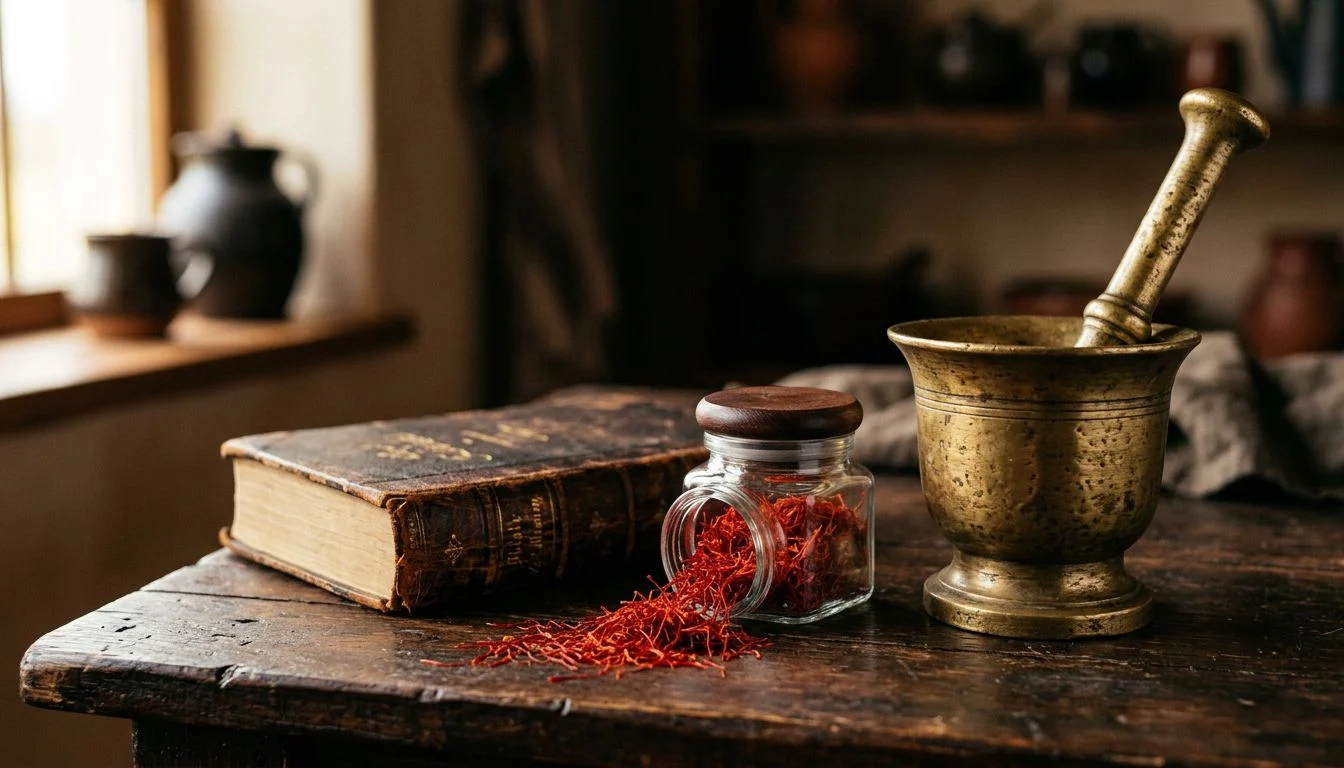
- Grind the threads. Crush them with a mortar and pestle until fine, or with the back of a spoon. Whole threads work too, but they release their colour more slowly.
- Choose a liquid. Water is the usual choice, and Tasting Table also names milk and chicken broth as gentle options.
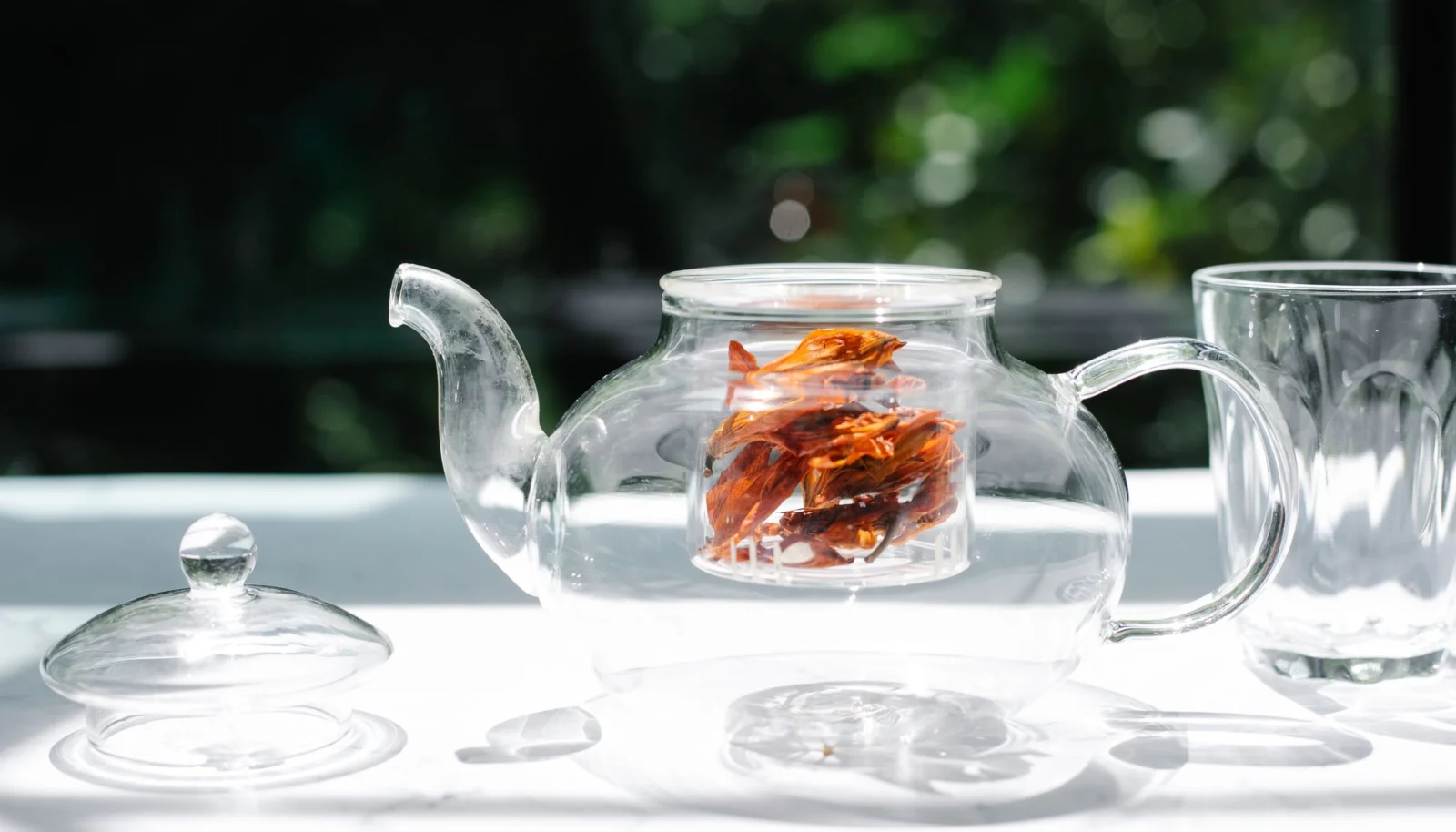
- Steep. Pour over hot water for a quick bloom, or use cold water or ice for a slow one. A cook who compared the hot water and ice methods found only small differences, and said the ice version was slightly more aromatic (Proportional Plate). Her advice was to use ice if you have time and hot water if you do not.
- Wait for a golden colour. The liquid should turn deep gold or orange and the threads should look pale.
- Add it to the dish. Pour in the liquid and the threads, usually near the end of cooking. Some cooks keep it to finish the dish so that bold spices do not hide its fragrance.
The Moroccan way
Moroccan recipes use saffron in several ways. In an Arabic recipe for a chicken tagine, saffron is dissolved in water before it is added to the dish (Al Ain). In other recipes it is mixed into a spiced rub or sauce, as in our chicken tagine with preserved lemon. For a simple drink, an Arabic recipe steeps 4 to 5 threads in a cup of hot water for 4 minutes and adds honey (WebTeb). Our saffron tea recipe covers that drink and the cautions that go with it.
Common mistakes
- Using too much. More saffron does not always mean a better dish, and it can taste bitter or medicinal.
- Adding threads dry to a dish with little liquid. Without blooming, the colour may stay patchy.
- Buying powder. You cannot inspect powder, and fakes are common. Our guide on real and fake saffron explains why we recommend whole threads.
- Storing it badly. Keep saffron in a cool, dark, dry place, as the French supplier advises.
Frequently asked questions
Do I have to bloom saffron?
No, but it gives a stronger, more even result than adding dry threads.
Hot water or cold water?
Both work. The ice method may be slightly more aromatic, according to one cook, but it takes longer.
How long can I keep bloomed saffron?
We did not find a reliable figure, so use it the same day, or refrigerate it and use it within a day or two as a cautious rule.
Does saffron lose strength when it is cooked?
Sources recommend adding it late. We could not verify the science, so we describe this as common cooking advice.
Sources
- Proportional Plate (proportionalplate.com)
- Épices Roellinger (epices-roellinger.com)
- Tasting Table, 2023 (tastingtable.com)
- Al Ain (al-ain.com)
- WebTeb (webteb.com)