Short answer
Any skin product can cause a reaction, and argan oil on sensitive skin is no exception. A Dutch dermatology journal published a case of allergic contact dermatitis caused by argan oil. A patch test on a small area before regular use is a common precaution, but a home test has limits, and a dermatologist can do a more complete test.
Table of contents
What the case report says
In the 2019 case report by S. Kerre in the Nederlands Tijdschrift voor Dermatologie en Venereologie, a 28 year old woman with scalp psoriasis applied argan oil daily for several weeks and developed itching, oozing and inflammation on the scalp, behind the ears and on the neck. A dermatologist’s patch test showed a strong reaction to undiluted argan oil at 48 and 96 hours. Tests of listed ingredients and of other plant oils were negative, so the specific allergen was not identified. The symptoms resolved after she stopped the oil and used a topical steroid.
This is a single case. It does not show how common allergy to argan oil is, and we make no claim about frequency.
How to patch test argan oil on sensitive skin
Healthline, in an article medically reviewed by a nurse practitioner, describes the steps as follows:
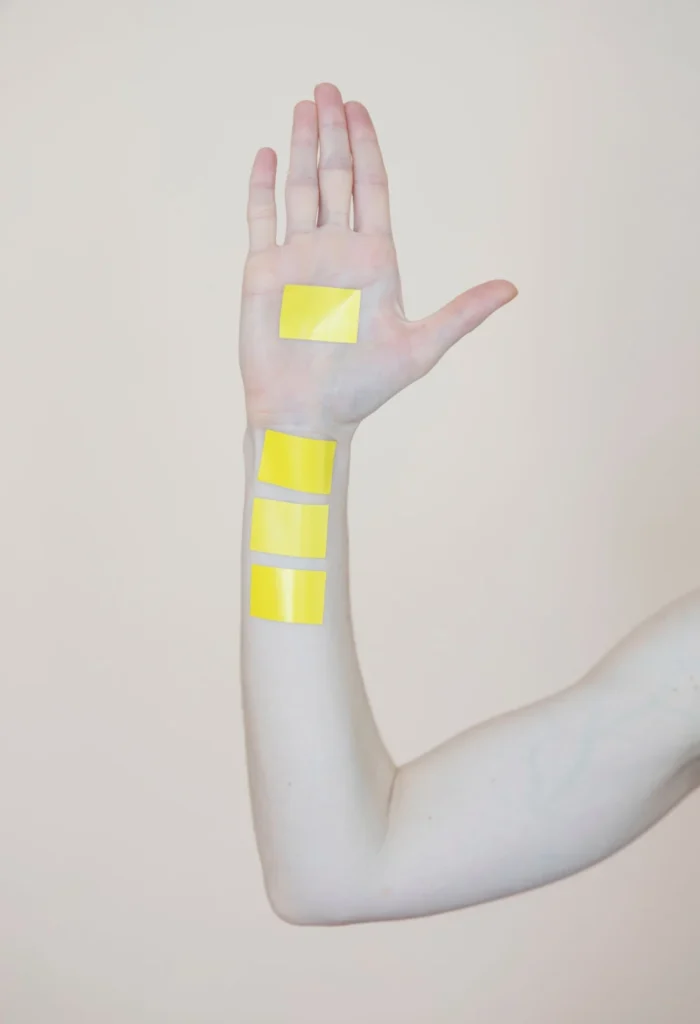
- Pick a spot about the size of a quarter where the product will not rub or wash off, such as the inner forearm or elbow bend. For hair products it suggests the back of the neck.
- Use an amount and thickness similar to your normal use.
- Apply twice daily for 7 to 10 days.
- If you notice irritation or signs of an allergic reaction, wash the product off and stop.
- See a dermatologist if a reaction is severe or does not settle with home care.
The same article warns that home tests cannot find delayed reactions or test several allergens at once, and says that essential oils must always be diluted, which is not relevant to argan oil but is a good reminder of the general rule.
When a dermatologist does it
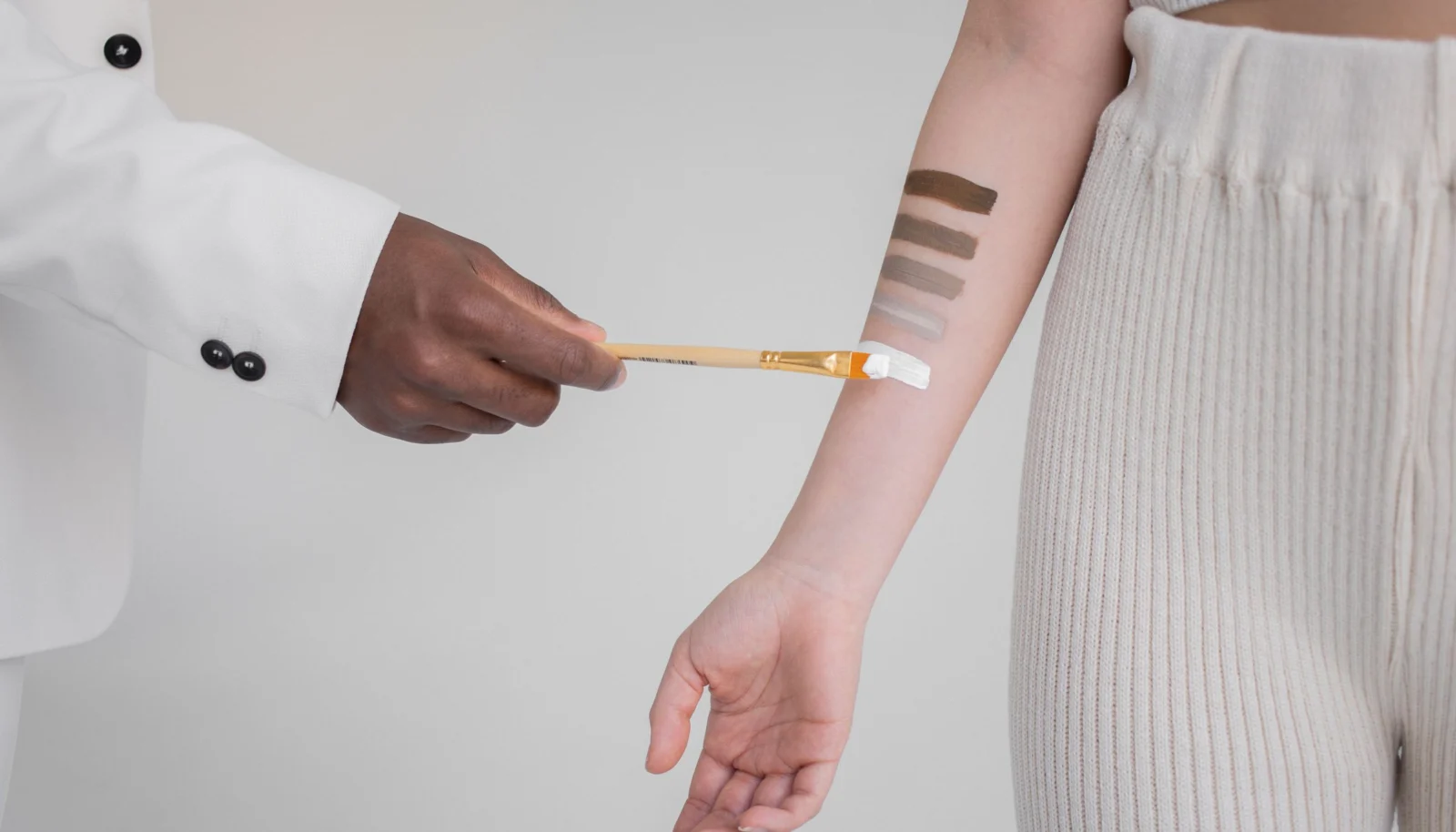
Mayo Clinic describes clinic patch testing as a week long process: allergen panels are taped to the back, removed after two days and read at day four or five, with a dermatologist identifying the allergen.
Culinary or cosmetic oil on skin
Use the product the label intends. Read Culinary or Cosmetic Argan Oil: What to Buy for What on the difference and How to Buy Real Argan Oil: A Label Guide on fake oil, since impurities or additives in a poor product could also be a cause of reactions. This last point is our reasoning, not a finding from the sources.
Frequently asked questions
Is argan oil safe for everyone?
No product is. See the case report above.
Can I use it on a skin condition such as psoriasis?
The case involved scalp psoriasis. Ask a doctor first.