Short answer
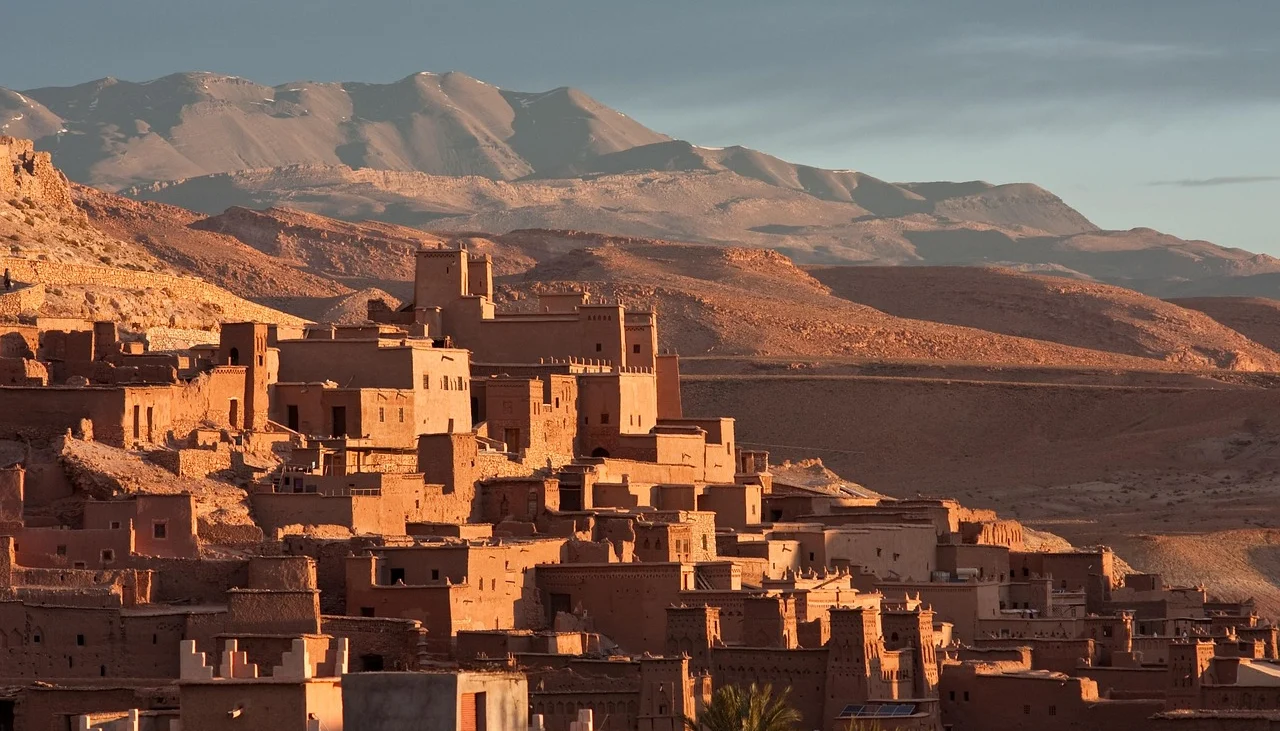
The history of saffron in Morocco has no exact starting date: nobody can name the year it arrived. Researchers trace its cultivation in the Maghreb to the tenth century, using Arabic manuscripts, and Taliouine, in the Anti Atlas, became the centre of the crop. Local families say they have grown it for generations.
Table of contents
History of saffron in Morocco: what the evidence says
A 2017 paper by Zaazaa, Mohammed and Lage, Contribution to the study of historical introduction about saffron culture in Morocco, says the exact date of introduction remains unclear. It points to Arab and Muslim manuscripts that place saffron cultivation in the Maghreb as early as the tenth century. The authors studied archives, very old property contracts and interviews with farmers.
An Aramco World article says saffron may have arrived as early as the ninth century, from Greece or Asia Minor, by stages. The two sources differ by a century, so write “between the ninth and tenth centuries” and do not choose one.
Older traces in Taliouine
The same Aramco article reports the earliest written reference in Taliouine as a contract from about 1776, where saffron appears three times. It also says local historians describe saffron stored in a clifftop granary less than 16 kilometres away about 500 years ago, next to barley, oil and sugar. The paper adds that some families report growing it “from father to son” for up to seven generations.
Why the Anti Atlas suited the crop
According to Aramco World, Taliouine sits at about 1,200 metres on the Souktana Plateau, with well drained volcanic soil, hot summers and cold winters.
The harvest as a ritual
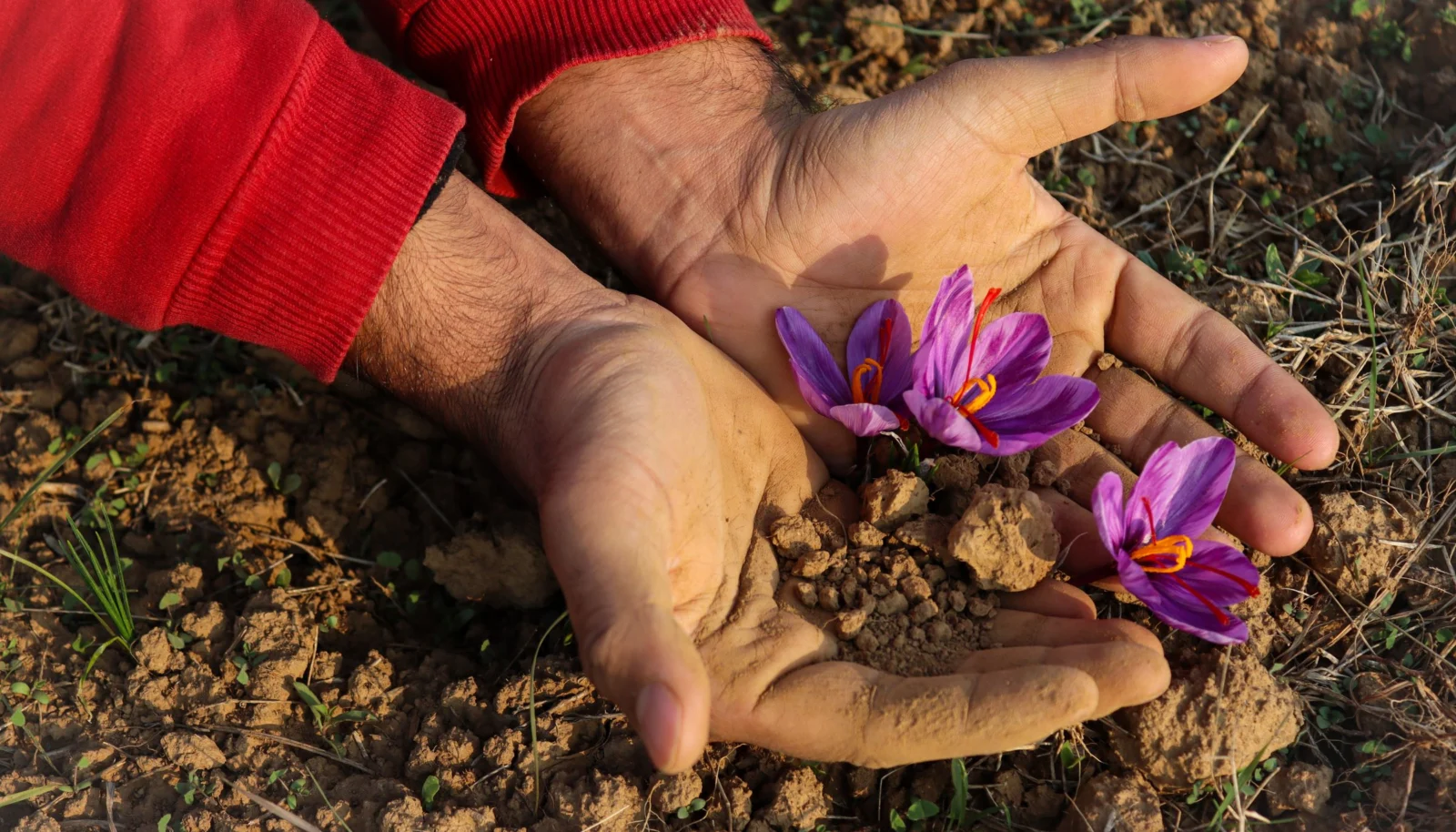
Planting runs from late August to mid September and flowering starts at the end of October. Women pick the flowers before dawn and remove three stigmas from each by hand. Aramco World gives 140,000 to 150,000 flowers per kilogram of dried saffron. Other sources give different figures (see How to Tell Real Saffron from Fake and the Taliouine guide), so show this as a range.
A mixed community economy
The Moroccan Jewish heritage site moroccanjews.org says that before the 1960s the Jews of Taliouine helped finance saffron production and trade, and that the Mellah of Ighil n Ogho lies about 15 kilometres west of the town. The page gives no dates for the settlement.
From family plots to cooperatives
Aramco World names the Souktana du Safran cooperative, founded in 1979, with 154 members, and a 2012 harvest of about 4,000 kilograms for Taliouine, described as 98 percent of Morocco’s saffron. The moroccanjews.org page says about 90 percent. The true share probably lies in that range, and current figures may differ.
Frequently asked questions
Who brought saffron to Morocco?
The sources do not name a person. They point to the Arab and Muslim world and to a ninth or tenth century arrival.
Why Taliouine?
Altitude, drainage, a hot dry summer and cold winter, plus generations of knowledge.
Is Moroccan saffron an ancient crop?
It is old, but dates before the tenth century are not documented in the sources we consulted.
Sources
- Contribution to the study of historical introduction about saffron culture in Morocco (ishs.org)
- Aramco World article (archive.aramcoworld.com)
- moroccanjews.org (moroccanjews.org)