Table of contents
Taroudant travel guide: why go
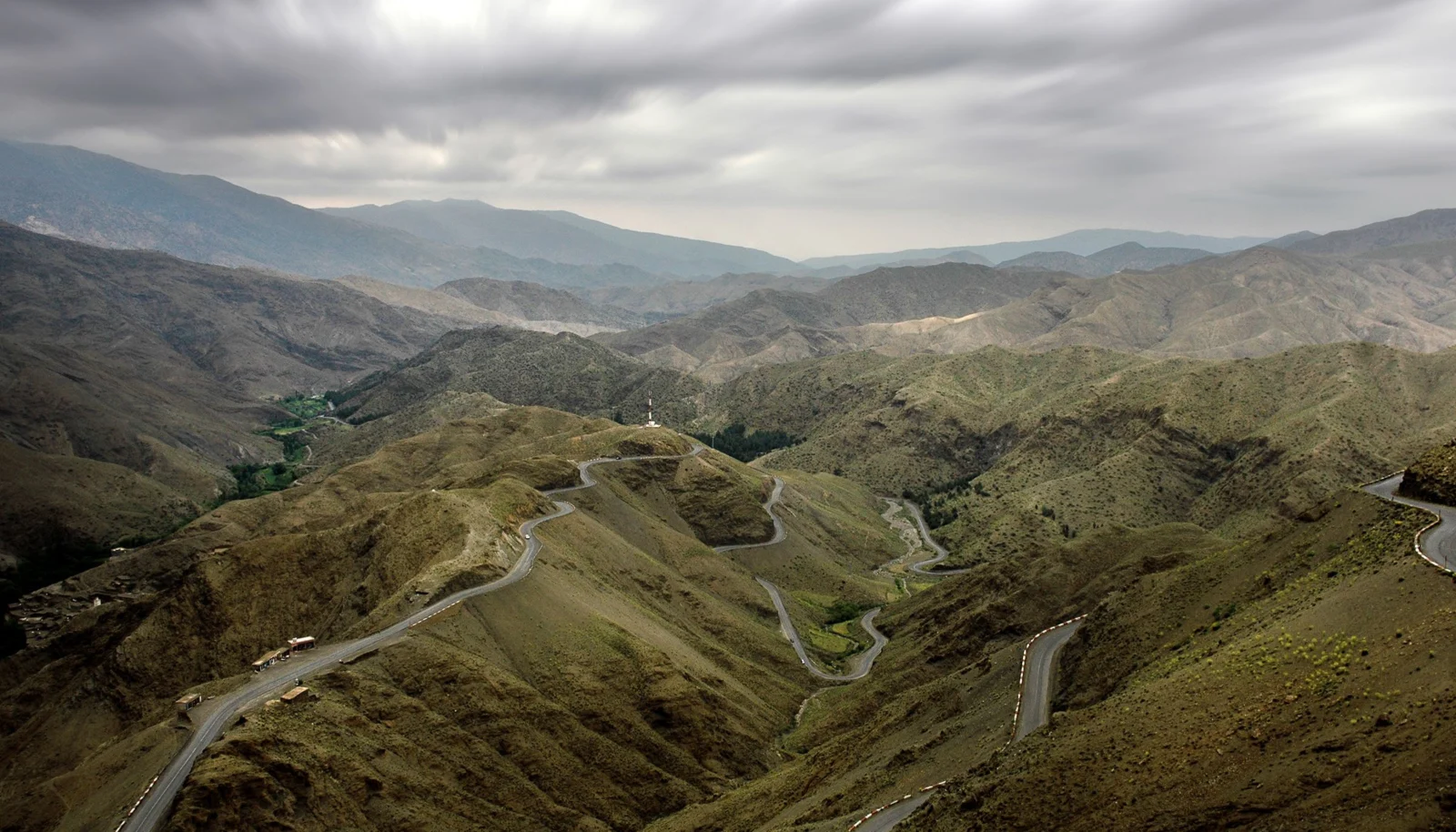
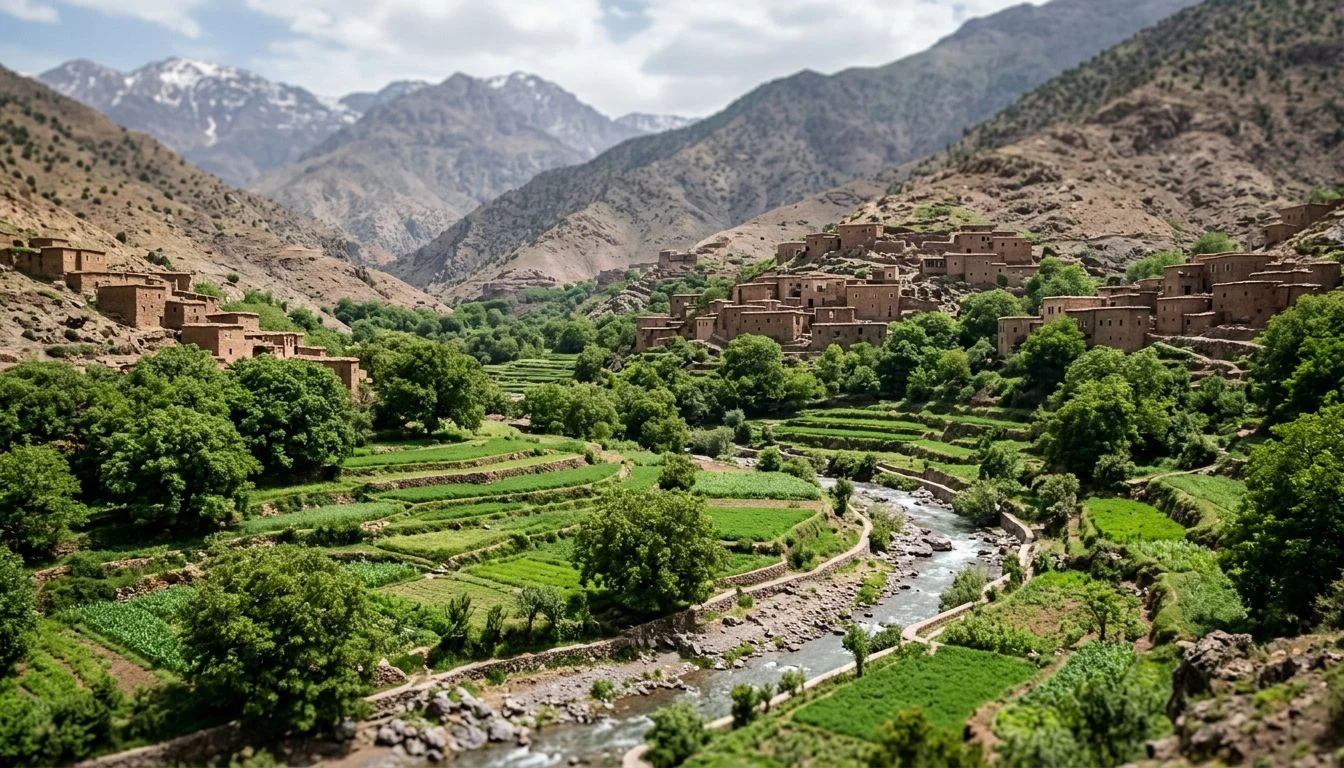
This Taroudant travel guide starts with the basics. Taroudant sits in the Souss valley, east of Agadir, with the High Atlas to the north and the Anti Atlas to the south. Travel writers often call it a quieter version of Marrakech. The reason is simple: it has ramparts, souks and a lived in medina, but far fewer tour groups. It is also the natural base for anyone heading on to the saffron villages around Taliouine (see Taliouine Travel Guide: Morocco's Saffron Town) and for anyone who wants to understand the argan landscape that surrounds the town (see Culinary or Cosmetic Argan Oil: What to Buy for What).
Getting there
The sources we read give approximate figures, so treat them as estimates and check before you travel.
| Route | Distance and time (per source) | Source type |
|---|---|---|
| Agadir to Taroudant | about 80 km, about 1.5 hours | Travel blog |
| Marrakech to Taroudant | about 3.5 hours (another tour operator blog says about 4 hours) | Travel blog, tour operator |
| Taroudant to Taliouine | about 1.5 hours (blog); 114 km (Frommer’s) | Travel blog, guidebook |
Public options mentioned by the Malika in Morocco guide are a daily morning CTM bus from Agadir and shared grand taxis that leave when full. We did not find a current timetable or fare, so we publish none. Frommer’s quotes an old bus fare for Taroudant to Taliouine that we deliberately leave out because it is out of date.
What to see
| Place | What the source says |
|---|---|
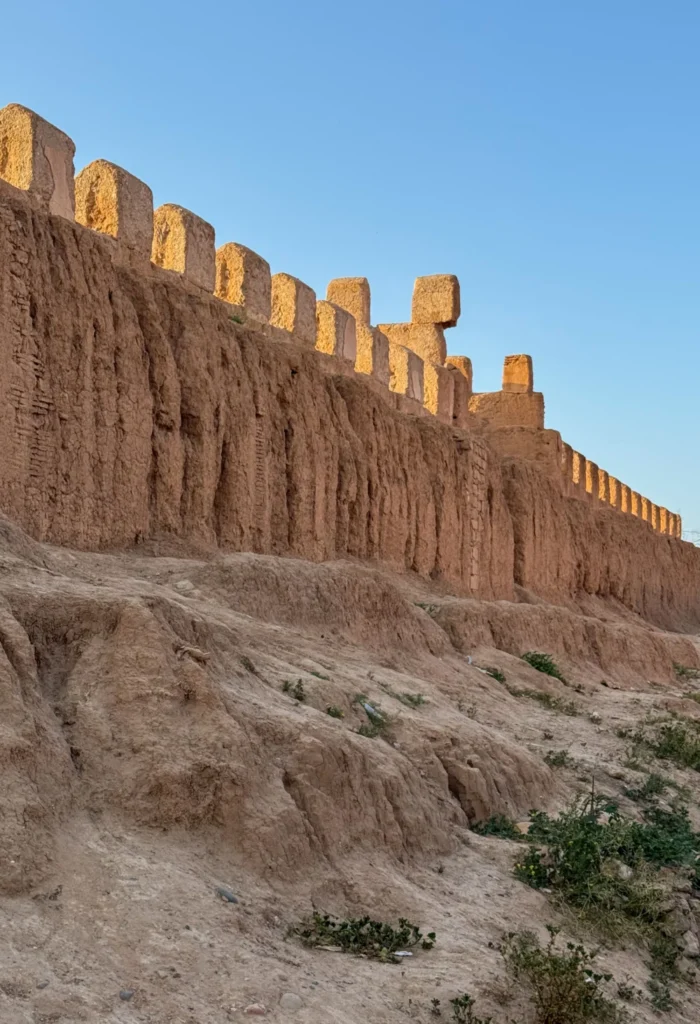
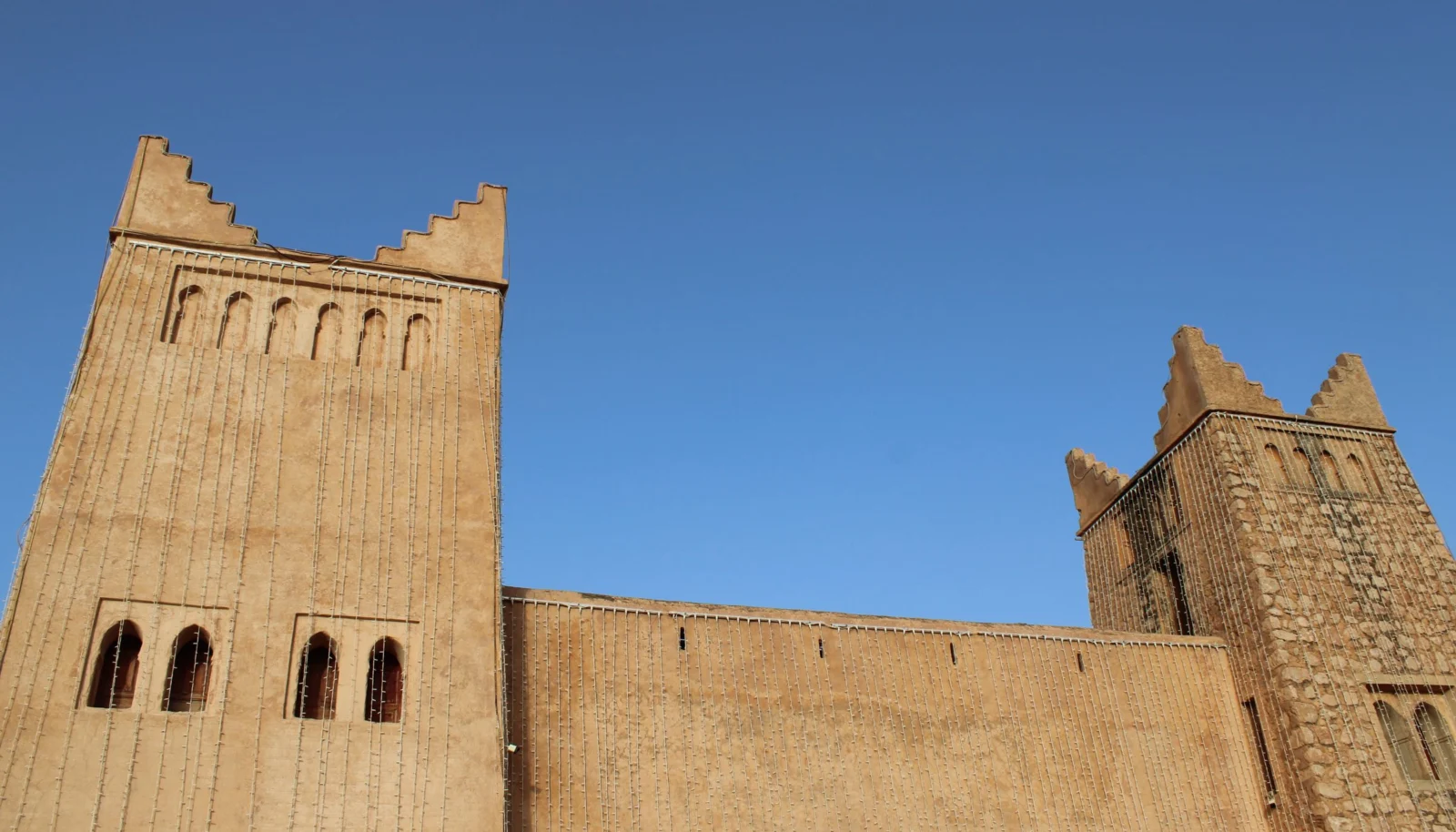
| Ramparts | More than 6 km of walls with fortified towers and carved gates, dating back about five centuries. Many visitors walk or cycle part of the circuit. |
| Bab El Kasbah | A well known gateway and a good starting point for the old town. |
| Arab Souk (Kissaria) | Between Place Assarag and Place Talmaklate. Ceramics, metalwork and leather. |
| Berber souk (Jnane Jamaa) | Produce and spices, the place to see everyday trade. |
| Tannery | A small tannery with an onsite shop. |
| Palais Musee Claudio Bravo | Guided interior visits; the gardens are described as free to enter. Confirm hours before you go. |
| Oasis of Tioute | About 30 km south, with a 16th century kasbah. |
Argan and saffron connection. The Souss valley is the heartland of argan, and Taroudant is close to the saffron growing area. Frommer’s notes that the Souktana saffron cooperative in Taliouine represents more than 350 growers and welcomes visitors with saffron tea tastings. If you want to buy either product, ask about origin and the cooperative, and read our buying guides first (How to Tell Real Saffron from Fake and Culinary or Cosmetic Argan Oil: What to Buy for What).
When to go
The Malika in Morocco guide recommends March to May, with temperatures in the mid 20s Celsius, and advises avoiding June to August, when it is above 30 degrees. If saffron is part of your plan, remember the harvest falls in October and early November, but sources disagree on timing (see Taliouine Travel Guide: Morocco's Saffron Town), so confirm locally.
Where to stay
The same guide lists examples such as Dar al Hossoun, Dar Zahia, Riad Amnay and Dar Les Dattiers. We have not verified current quality, availability or rates and we do not recommend any of them.
Suggested three day route
- Day 1: arrive from Agadir, walk the ramparts at sunset, evening in the souks.
- Day 2: morning in the Berber souk and tannery, afternoon at the Claudio Bravo palace.
- Day 3: day trip to Tioute, or continue east to Taliouine (see Taliouine Travel Guide: Morocco's Saffron Town) and then to Ouarzazate.