Short answer
The best Moroccan souvenirs are small, useful and easy to pack, such as saffron, argan oil, spice blends, orange blossom water, tea glasses, a tagine or handmade soap. Wrap liquids and ceramics well, check airline and customs rules, and keep receipts.
Table of contents
- Food and spices
- Argan oil and beauty products
- Things for the kitchen
- Textiles and leather
- How to pack
- Customs and airline rules
- Moroccan souvenirs by budget
- Buy honestly and with care
- Gift ideas by person
- What not to buy
- A packing checklist
- Shipping instead of carrying
- Buying with care for people and places
- A note for your own kitchen
- Frequently asked questions
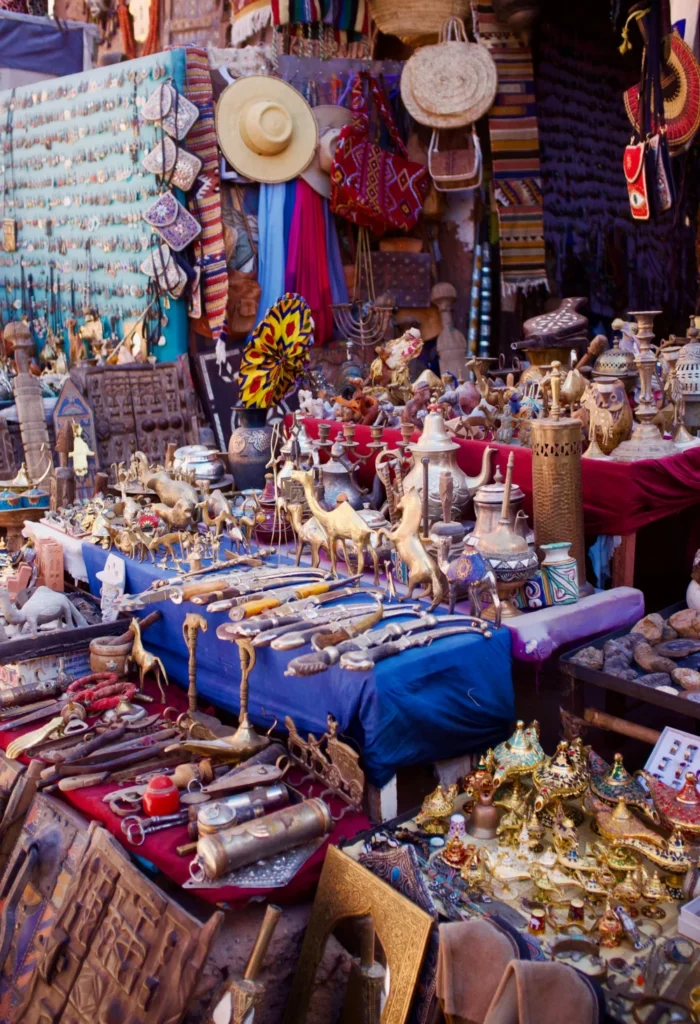
Every traveller ends up with the same problem at the end of a trip in Morocco. The souks are full of things you want, and your suitcase is not. This guide helps you choose and pack items that will survive the journey and get used at home.
Food and spices
Saffron
It is small, light and easy to carry. Buy whole threads with a harvest year and a producer, and see the buying guide for how to judge them.
Ras el hanout
This is a blend of many spices, and every seller has a version. Smell several and buy a small quantity of one you like. Our guide to saffron and ras el hanout explains what goes into the blend.
Other spices
Cumin, paprika, ginger, turmeric and cinnamon are easy to find, and they are cheaper and fresher than what you often find abroad. Buy small amounts, and store them in airtight jars.
Amlou
The spread of argan oil, almonds and honey is a good gift, but jars are heavy and can leak. Check that the lid is sealed, and pack it well. Some countries limit food imports.
Dates and dried fruit
Moroccan dates, figs and apricots travel well and are easy to share.
Tea
Green tea used for Moroccan tea is easy to carry. Pair it with a couple of tea glasses.
Orange blossom water and rose water
These are common in Moroccan sweets and drinks. Buy small bottles and pack them carefully.
Argan oil and beauty products
Argan oil
Choose between culinary and cosmetic, and check the label. The pillar guide explains the difference and the buying guide lists what to check.
Soap and clay
Argan soaps, black soap and ghassoul clay are popular. Read the ingredient list, and be cautious about health claims on the packaging.
Things for the kitchen
Tea glasses and a teapot
Small tea glasses are cheap and light. A metal teapot is heavier, and worth it if you drink Moroccan tea often.
A tagine
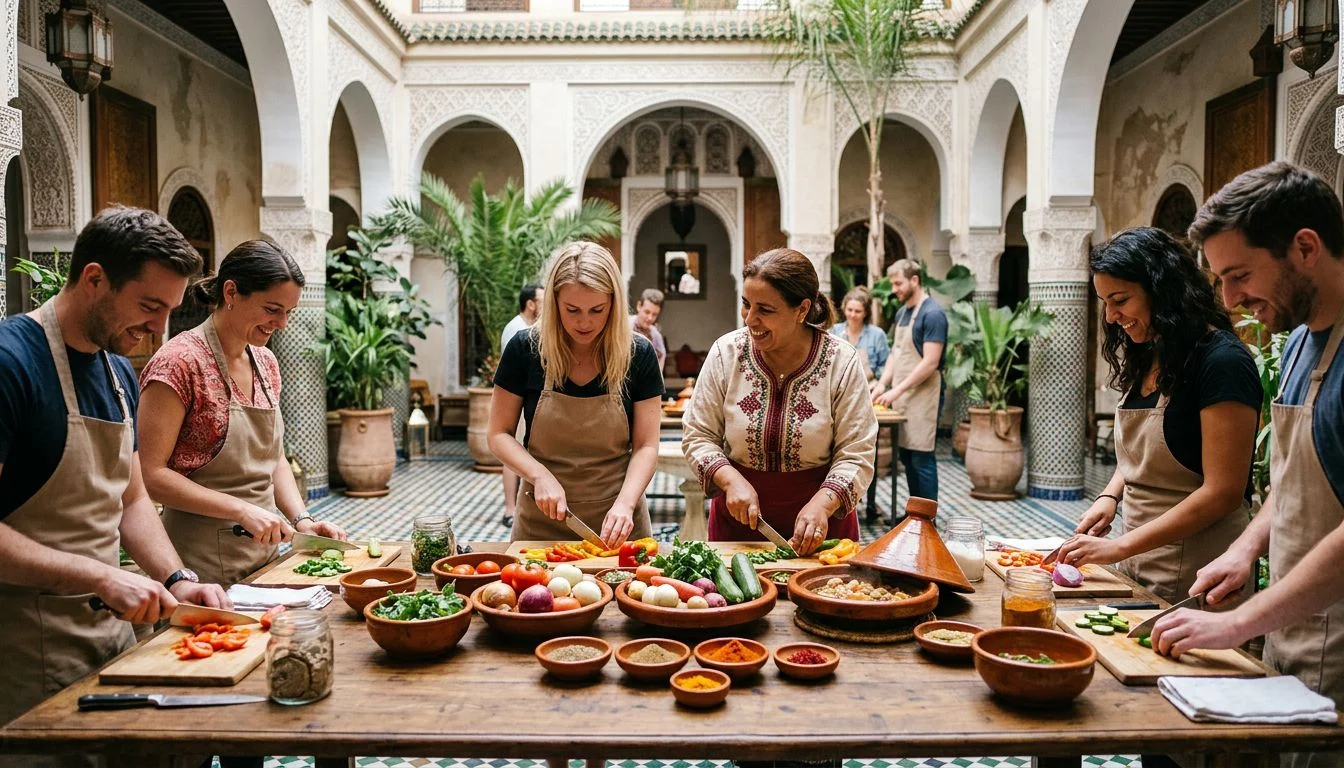
Choose between a clay tagine for cooking and a decorated one for serving. Cooking tagines are usually plain and unglazed or lightly glazed inside, and decorated ones may not be safe for heat. Ask the seller directly, and do not assume.
Ceramics
Fez and Safi are known for ceramics. Painted plates and bowls make lovely gifts, and they are heavy and fragile.
Textiles and leather
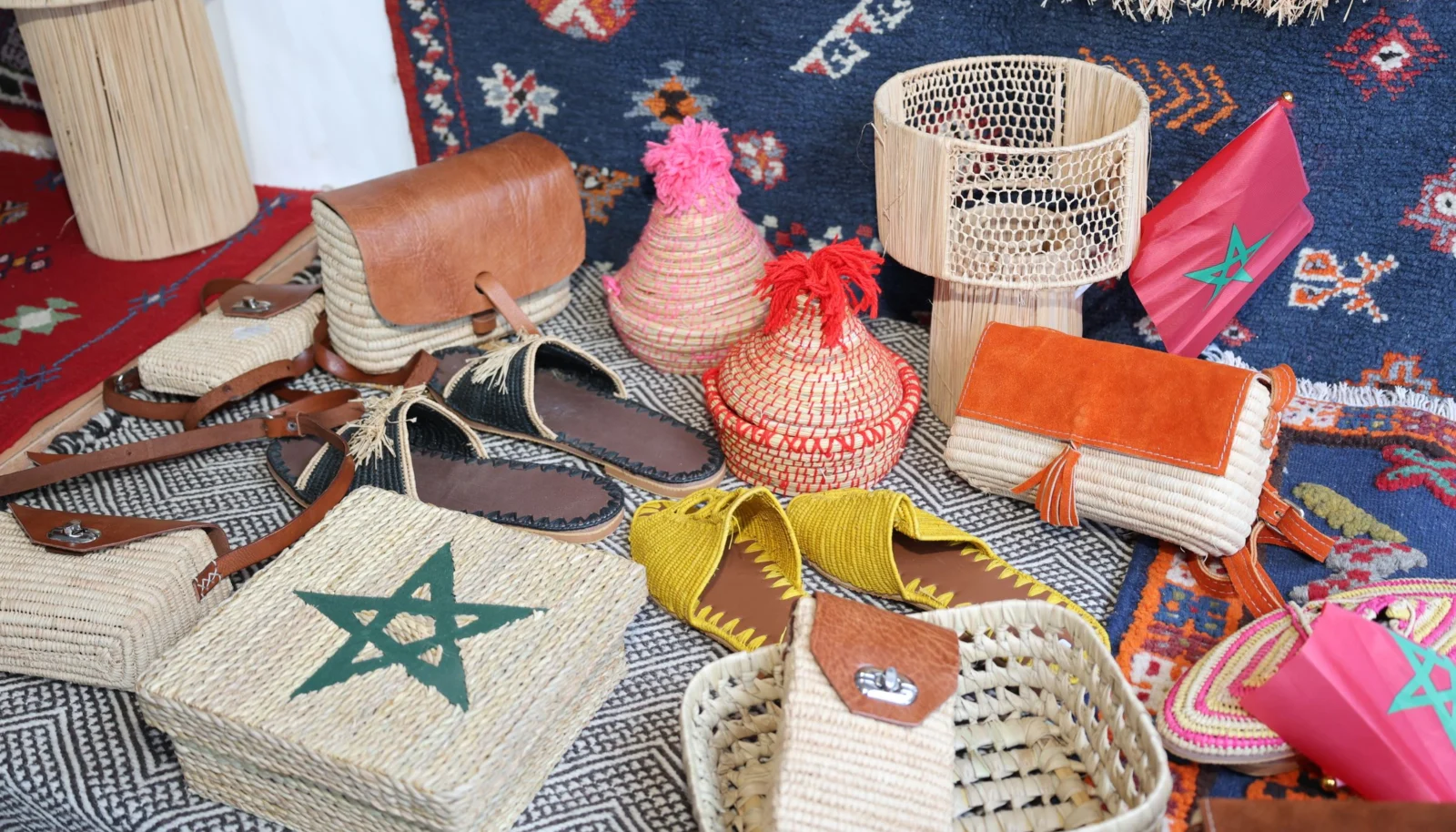
Rugs, scarves, slippers and leather bags are popular. Feel the material, and ask about the maker. If a price seems very low, ask why.
How to pack
- Wrap fragile items in clothes, and put them in the middle of the suitcase.
- Put oils and liquids in sealed plastic bags and wrap in a towel.
- Keep saffron and small spice bags in your hand luggage if you like, and check airline rules.
- Use a soft bag inside your suitcase for ceramics.
- Leave space for what you buy.
Customs and airline rules
Rules for liquids, food and plant products vary by country and by airline. Keep receipts for larger items. If you are unsure about a food product, declare it.
Moroccan souvenirs by budget
| Budget | Ideas |
|---|---|
| Small | Spices, tea, orange blossom water, a tea glass |
| Medium | Saffron, argan oil, amlou, a scarf, a ceramic bowl |
| Larger | A rug, a leather bag, a tagine set, a lantern |
Buy honestly and with care
Ask where a product was made and who made it. Support cooperatives and workshops when you can. Avoid items made from protected species, and check the rules on antiques.
Gift ideas by person
| Person | Idea |
|---|---|
| A friend who cooks | A tin of saffron and a bottle of culinary argan oil |
| A friend who loves tea | Tea glasses, green tea and a small bottle of orange blossom water |
| A colleague | A jar of amlou or a pack of dates |
| A host | A ceramic bowl or a scarf |
| A child | A small painted plate or a pair of slippers |
What not to buy
Avoid items made from protected animals or plants. Be careful with antiques, which may need an export permit. Avoid products with medical claims on the label. If a price seems too good to be true, ask why.
A packing checklist
- Tape and plastic bags for liquids.
- Bubble wrap or clothes for ceramics.
- A soft bag inside your suitcase for fragile items.
- A list of what you bought, with the receipts.
- Space in your luggage, about a quarter of the suitcase.
Shipping instead of carrying
If you plan to buy something large, such as a rug or a set of ceramics, ask about shipping. Compare the cost with the airline’s extra baggage fee. Ask for a written quote, insurance and a tracking number, and consider a shipper you know.
Buying with care for people and places
Choose products made by named makers, and pay a fair price. If you can, buy from cooperatives, small workshops and family businesses. Ask about materials and about how a product was made. You can also buy fewer things, and choose the ones you will really use.
A note for your own kitchen
When you get home, store saffron and oil properly, use your tea glasses and tagine, and cook something from this site. A souvenir that sits in a cupboard teaches you nothing. A souvenir you use reminds you of the trip and supports the people who made it.
Frequently asked questions
Can I bring saffron through customs?
Usually yes, in small personal quantities, but rules differ. Check the rules for your country.
What is the best thing to bring for a friend who cooks?
A small tin of good saffron and a jar of culinary argan oil, both with clear labels.
How do I stop a bottle from leaking?
Tighten the cap, tape it, put it in a bag and wrap it in clothing.