Short answer
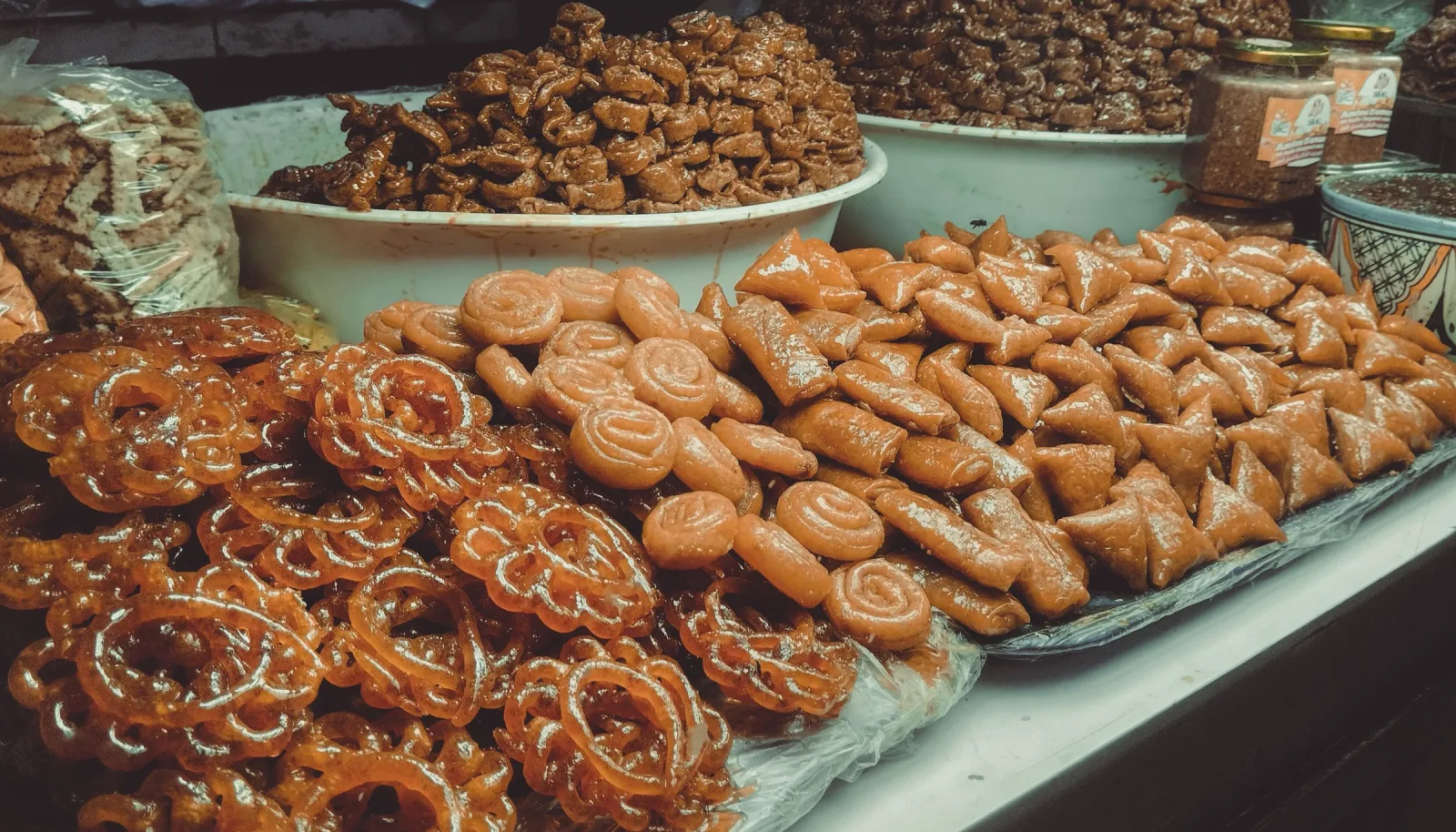
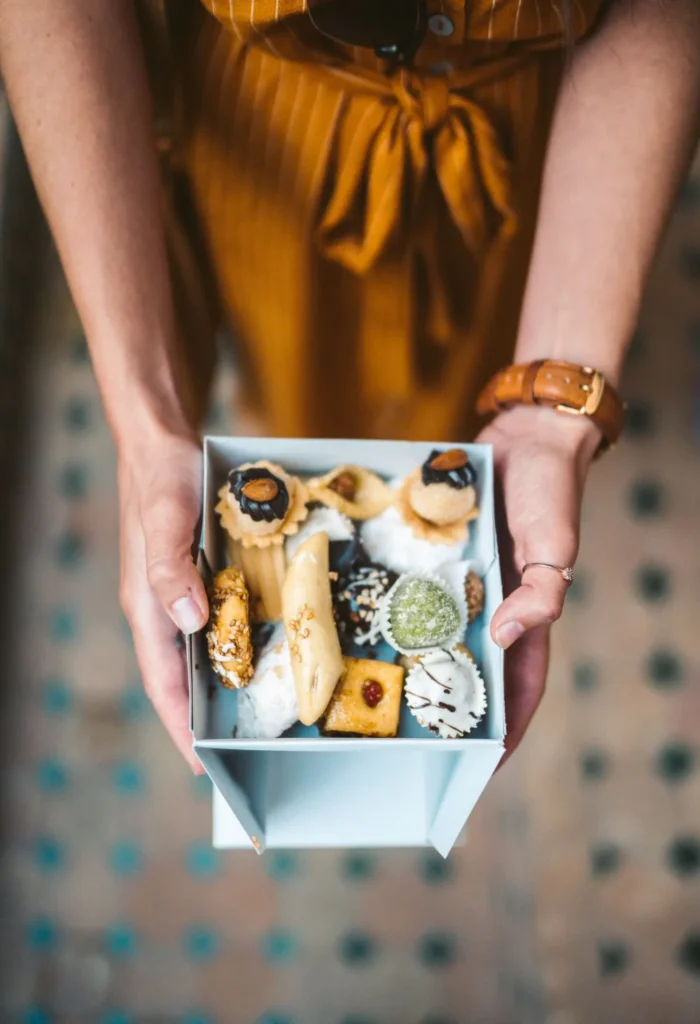
Moroccan sweets are eaten more with mint tea, at breakfast and on special occasions than as a course after dinner. The best known include chebakia and sellou for Ramadan, kaab el ghazal (gazelle horns), ghriba, fekkas, seffa, baghrir, amlou and a simple orange salad with cinnamon.
Table of contents
Most Moroccan sweets are not eaten as a dessert course after dinner. They appear with mint tea, on the breakfast table, and in larger quantities for Ramadan, weddings and births. After a meal, fresh fruit or a simple orange salad is more usual. Almonds, honey, sesame, cinnamon and orange blossom water run through almost all of them.
The main sweets
| Sweet | What it is | When it is eaten | Read more |
|---|---|---|---|
| Chebakia | Flower shaped fried cookie in honey, made with flour, sesame and anise | Ramadan | Chebakia |
| Kaab el ghazal | Crescent pastry filled with almond paste and orange blossom water. The name is said to mean “gazelle ankles”, though it is usually called gazelle horns in English | Celebrations, tea | Coming soon |
| Ghriba | Crackled, crumbly cookie of almonds with semolina or coconut | Tea time | Coming soon |
| Fekkas | Twice baked biscuit with almonds, raisins and anise | Tea time | Coming soon |
| Briouats with almonds | Fried pastry triangles with almond paste, dipped in honey | Celebrations, Ramadan | Coming soon |
| Sellou | Rich, crumbly toasted mixture of flour, sesame and almonds | Ramadan and after childbirth | Sellou |
| Seffa | Sweet steamed vermicelli or couscous with butter, cinnamon, sugar and almonds | Family gatherings | Coming soon |
| Jowhara | Milk pastilla with custard and almonds | Special meals | Coming soon |
| Roz bel hlib | Rice pudding with milk and orange blossom water | Any time | Coming soon |
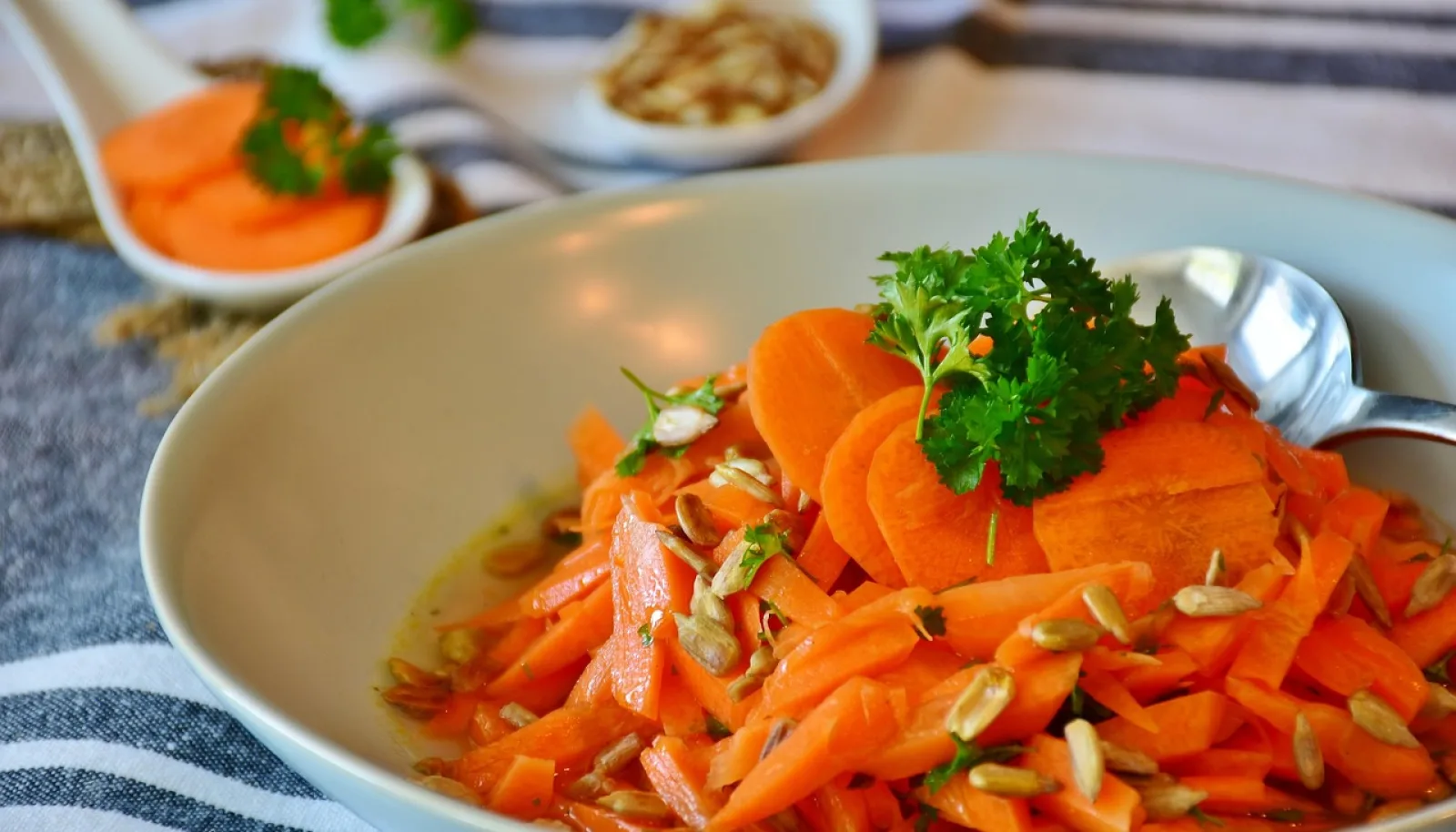
| Orange salad with cinnamon | Sliced oranges, cinnamon, orange blossom water | After meals | Coming soon |
| Meskouta | Simple sponge cake with orange, lemon or vanilla | Tea time, breakfast | Coming soon |
| Sfenj | Yeast doughnut ring | Breakfast, snack | Coming soon |
| Baghrir | Spongy semolina pancake with honey and butter | Breakfast, tea time | Baghrir |
| Amlou | Almond, argan oil and honey spread | Breakfast, with bread | Amlou |
Sweets for Ramadan
Chebakia and sellou are the two sweets most tied to Ramadan. Chebakia is usually served next to harira to break the fast, and Morocco World News lists harira, dates and chebakia together as the Ramadan table. Sellou is often made a week or two before Ramadan to last the month.
Gazelle horns
Wikipedia describes kaab el ghazal as a crescent shaped Maghreb pastry of thin dough around almond paste flavoured with orange blossom water. The Arabic name is closer to “gazelle ankles”, though in English and French it is usually called gazelle horns (cornes de gazelle).
Where to start
If you are new to Moroccan sweets, start with the easiest ones: baghrir, amlou and an orange salad with cinnamon. Chebakia and gazelle horns take more time and shaping. That is our suggestion, based on how long each recipe takes.
Seffa medfouna
A festive version of seffa, seffa medfouna, hides chicken under the sweet vermicelli or couscous, so it sits between sweet and savoury. Taste of Maroc has a recipe. See also saffron in Moroccan dishes.
Frequently asked questions
What is the most famous Moroccan sweet?
Chebakia and gazelle horns are the names you will see most often, but there is no official ranking.
What do Moroccans eat with mint tea?
Cookies and pastries such as ghriba, fekkas and gazelle horns, as well as msemen and baghrir.
Which sweets are for Ramadan?
Chebakia and sellou above all.
Sources
- Gazelle ankles and Moroccan cuisine (wikipedia.org)
- Moroccan Ramadan: harira, dates and chebakia (moroccoworldnews.com)
- Moroccan Seffa Medfouna Recipe (tasteofmaroc.com)