Short answer
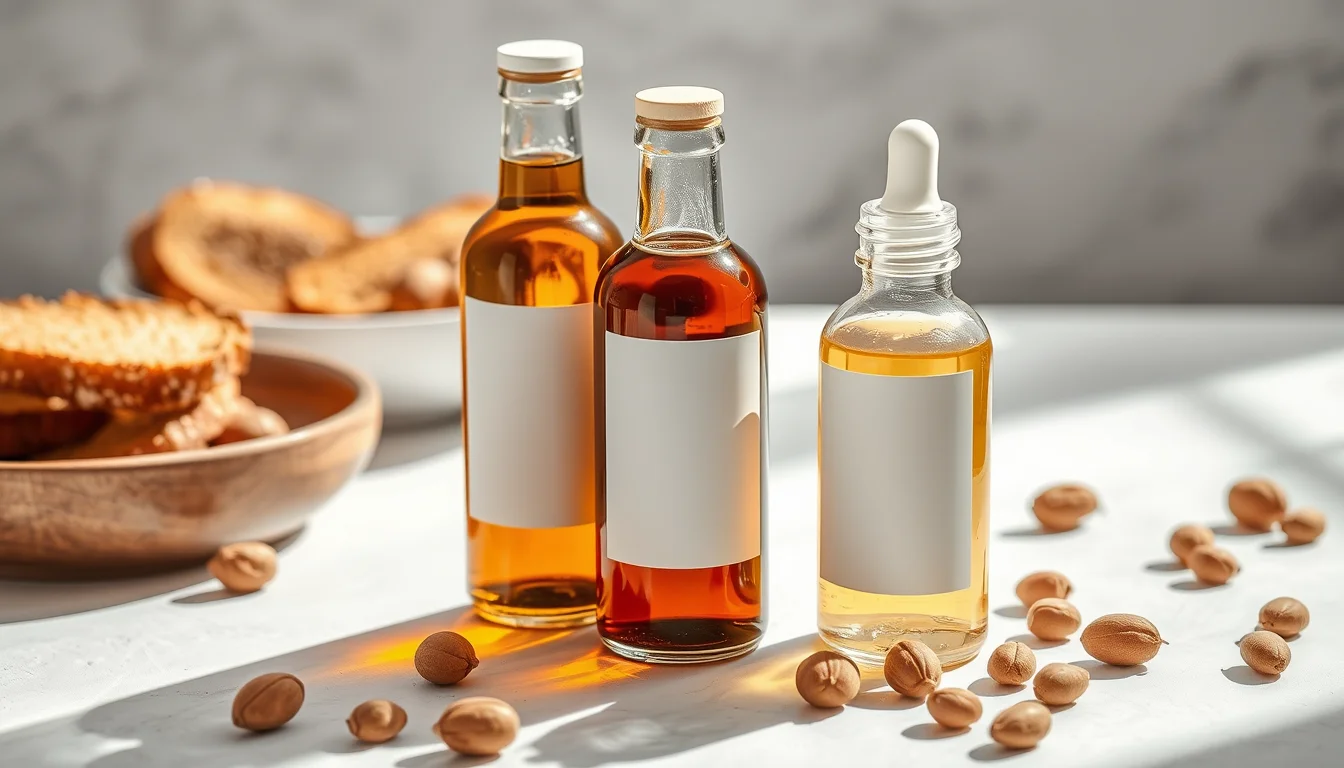
Real argan oil comes with a clear label: a single ingredient, a producer or cooperative, a batch number and a date, in dark glass. It smells like roasted nuts if culinary, or mild and earthy if cosmetic. A very low price, a strong fragrance or a vague label are reasons to walk away.
Table of contents
- Start by deciding what you need
- Read the label
- Judge the packaging
- Use your senses
- Think about price
- Ask questions
- Where to buy
- Buying online
- Health claims are a red flag
- Reading French and Arabic labels
- Four buying situations
- If you suspect a bottle
- Organic and other certificates
- Small bottles first
- Frequently asked questions
- What testing has found
- Sources
- What we verified
Argan oil is sold everywhere, from souks to supermarkets to online stores. Quality varies a great deal, and the words on the front of a bottle are usually marketing. This guide shows what to look for on the back.
Start by deciding what you need
If you want to cook, buy culinary oil. If you want to use it on skin or hair, buy cosmetic oil. The pillar guide explains the difference in full. Once you know which type you want, the checks below are the same.
Read the label
- One ingredient. A pure cosmetic bottle should list Argania spinosa kernel oil only. A pure food bottle should say argan oil only.
- A producer. Look for a company or cooperative name, with a town or region and contact details.
- A batch number and a date. These show that the producer tracks each lot.
- A statement of use. It should say whether the bottle is for food or for cosmetic use.
- A certificate, if one is claimed. Organic or geographical indication labels should name the certifying body. Morocco applied to the European Commission for an “Argane” geographical indication in October 2011 (WIPO), and products with the IGP mark are on sale today.
Judge the packaging
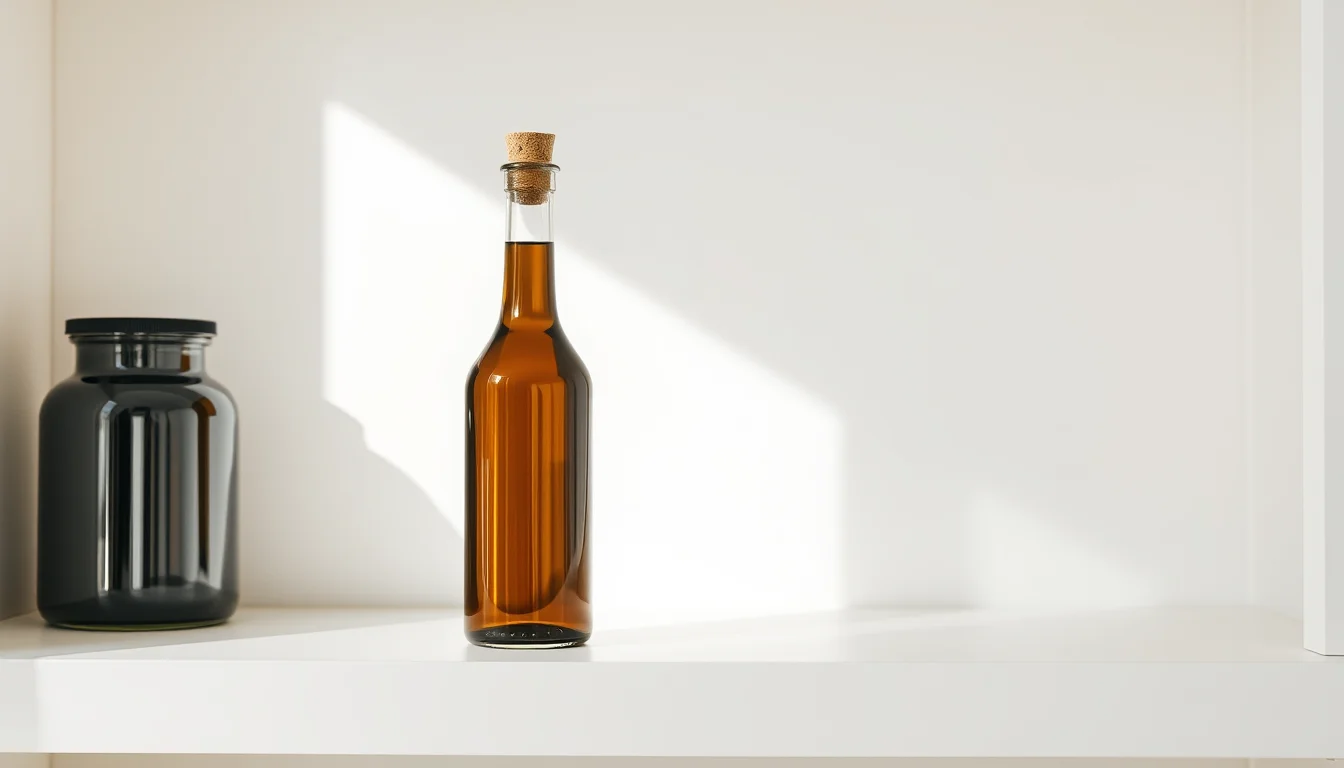
Argan oil dislikes light, so dark glass is a good sign. A clear plastic bottle displayed in the sun is not. Look for a sealed cap, and buy a bottle you can inspect rather than one filled from a big container in front of you.
Use your senses
Culinary oil should smell of roasted nuts and taste pleasantly nutty. Cosmetic oil is paler and smells mild and slightly earthy. An oil that smells sharp, soapy or like old paint may be rancid. A strong perfume suggests something has been added.
Smell and colour are clues, not proof. Fake and cheap oils can imitate a pleasant scent, and honest oils vary from batch to batch.
Think about price
Real argan oil needs many hours of work, and prices reflect that. A very low price for a large bottle should make you ask what is inside. A high price does not prove quality either. See our argan oil price guide for reported price ranges.
Ask questions
- Which cooperative or producer made this oil?
- When was it pressed?
- Is this culinary or cosmetic?
- Can I see a sealed bottle and its label?
- Do you sell to shops or directly to visitors?
An honest seller answers without hurry. If the story changes as you ask, move on.
Where to buy
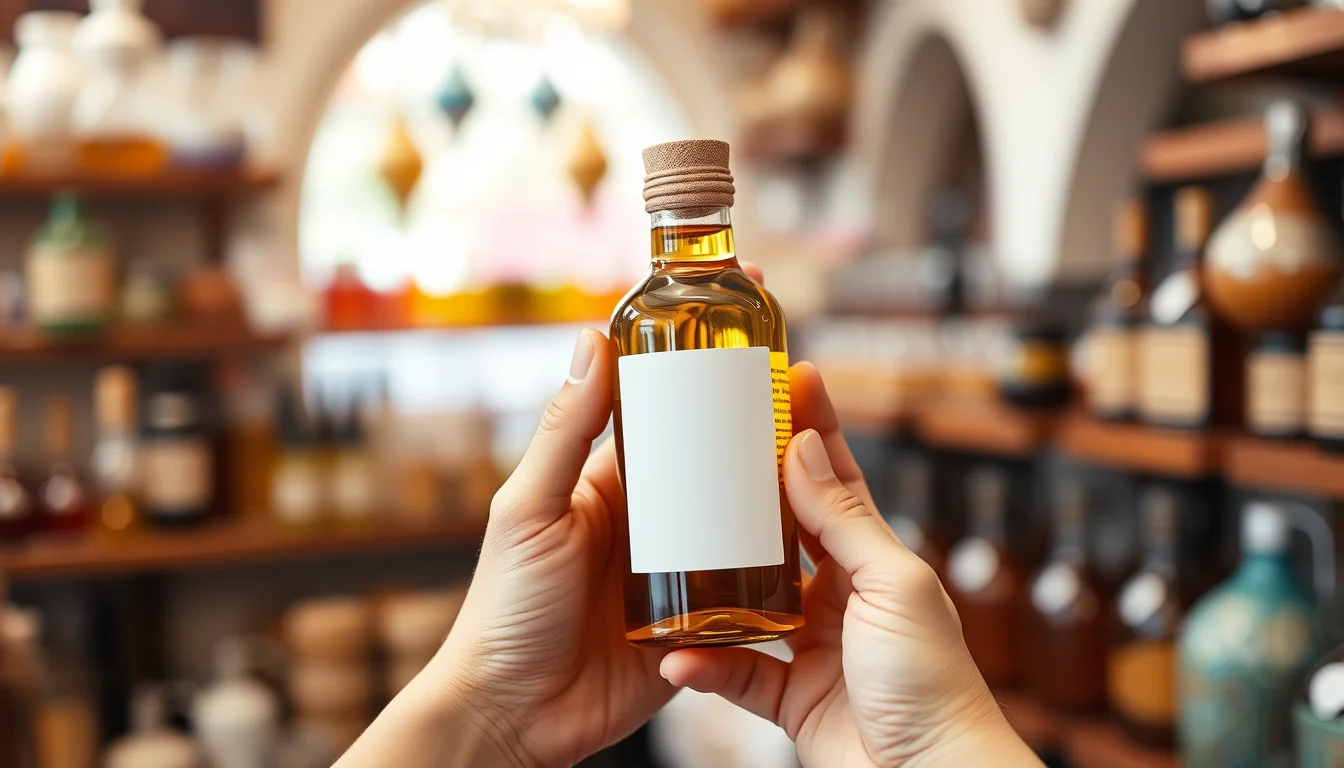
Women’s cooperatives, specialist shops that name their producers and pharmacies with clear labels are good places to start. Roadside shops that stop coach tours can be honest or not, so use the same questions there. The guide to buying in Morocco lists more places, and the guide to visiting a cooperative shows what to expect.
Buying online
Look for a named business with a postal address, a phone number and a clear return policy. Read reviews with care, and check whether the product page shows the ingredient list and the batch information. Start with a small bottle.
Health claims are a red flag
If a label or a seller says the oil cures or treats a disease, put the bottle back. Honest sellers describe the use of the oil, and leave medical claims to doctors.
Reading French and Arabic labels
Labels in Morocco often use French, and many also include Arabic. Look for the words “100 pour cent pur” and “sans additifs”, and be wary if they stand alone with no producer name. Look for a cooperative name, a town and a lot number. The vocabulary table in the pillar guide lists the terms you are most likely to see.
Four buying situations
| Where | What to check | Warning signs |
|---|---|---|
| Cooperative | Producer name, batch, date, openness about method | Refusal to answer questions |
| Pharmacy | Cosmetic label, ingredients list, sealed bottle | Long ingredient list on a “pure” product |
| Souk stall | Sealed bottle, label, smell | Oil poured from an unmarked container |
| Online shop | Postal address, ingredient list, batch details, returns | No contact details, only glowing reviews |
If you suspect a bottle
Do not use it on your skin or in food if it smells sharp, soapy or artificial. Keep the bottle, the packaging and your receipt, and contact the seller. If you bought it in a shop abroad, contact the shop and consider your local consumer rules. If a product caused a reaction, stop using it and speak with a doctor.
Organic and other certificates
Certificates can matter, and they need to be checked. A genuine certificate names the certifying body and a certificate number, and it belongs to the producer named on the label. If a bottle shows a logo but no number or body, ask questions.
Small bottles first
Buy a small bottle first, use it for a few weeks and notice how it smells and feels. If you like it, buy again from the same seller. This costs little and teaches you a lot. A seller who welcomes this approach is usually confident in the product.
Frequently asked questions
Does organic mean better?
Organic certification tells you about how the trees and the oil are handled, and it may matter to you. It does not tell you whether the oil is fresh.
Is a darker oil always culinary?
Usually, because of the roasting. Check the label to be sure.
Should I trust a shop that lets me taste?
A taste is helpful, and it is one check among several. Combine it with the label and the seller’s answers.
What testing has found
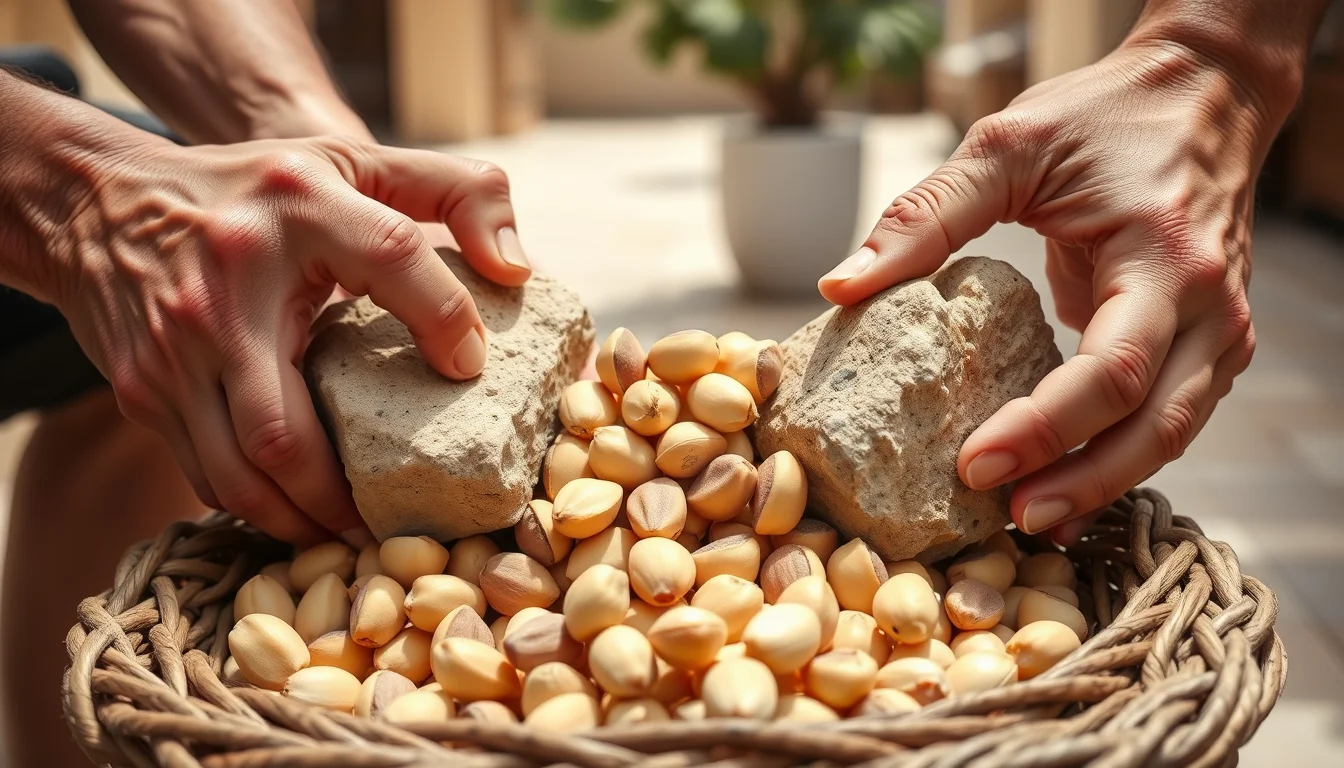
Fakes do reach the shelf. In a 2020 study, researchers at the Quadram Institute tested 28 products sold as 100 percent argan oil and found that 4 failed the authenticity test, pointing to dilution with cheaper oils such as sunflower oil (Quadram Institute). That is a small sample, so it does not show how common fraud is overall. WIPO also mentions vendors who dilute argan oil or colour olive oil with paprika (WIPO), and a French report says it takes about 27 kilograms of fruit to make one litre of oil, which explains why cheating pays (Consoglobe, 2025).
Sources
- Quadram Institute, argan oil adulteration uncovered (2020) (quadram.ac.uk)
- WIPO, the argan sector (wipo.int)
- Consoglobe, argan oil (2025) (consoglobe.com)
- Nomado Travel, Essaouira argan oil guide (nomadotravel.app)
What we verified
Last checked: October 4, 2026
Sources:
- Quadram Institute, argan oil adulteration uncovered (2020) (quadram.ac.uk)
- WIPO, the argan sector (wipo.int)
- Consoglobe, argan oil (2025) (consoglobe.com)
- Nomado Travel, Essaouira argan oil guide (nomadotravel.app)