Short answer
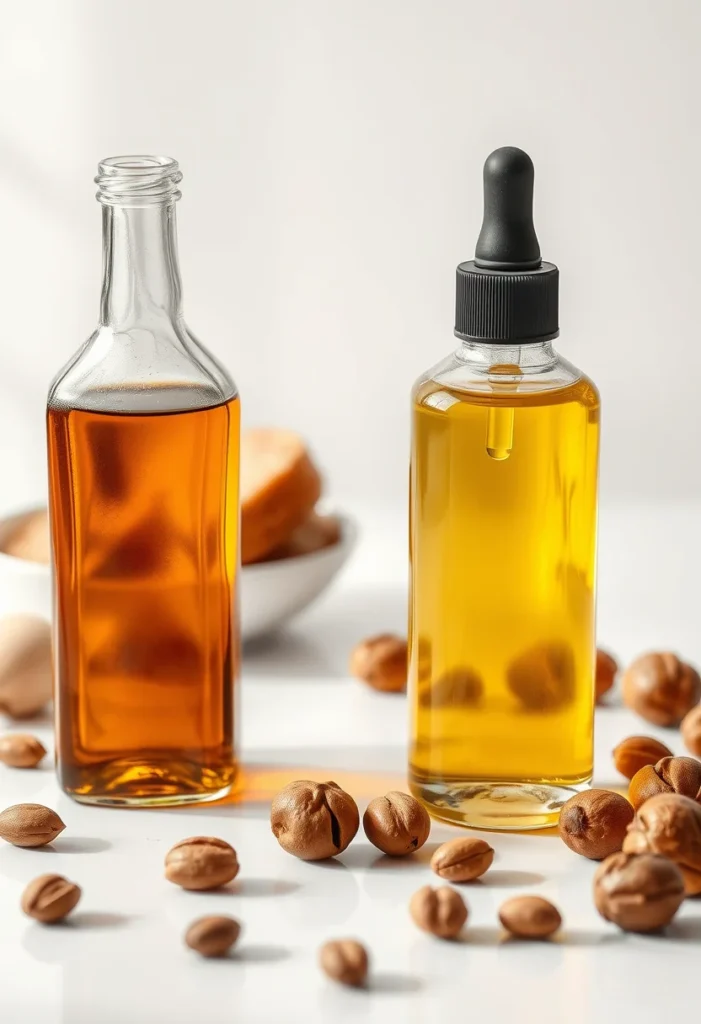
Culinary argan oil comes from roasted kernels, so it is darker, with a nutty flavour, and it is sold for eating. Cosmetic argan oil comes from unroasted kernels, so it is paler and milder, and it is sold for skin and hair. Buy the type that matches the label, and do not swap one for the other without checking.
Table of contents
- Where argan oil comes from
- The main difference
- How culinary argan oil is used
- How cosmetic argan oil is used
- Can you swap one for the other
- How to read the label
- Signs of a poor product
- Allergies and safety
- Storage in one paragraph
- Which one should you buy
- A label vocabulary for shopping in Morocco
- Two routines with two bottles
- Choosing when you can buy only one
- What the price can and cannot tell you
- Frequently asked questions
- Conclusion
- Sources
- What we verified
Walk into a shop in southwestern Morocco and you will often see argan oil in two kinds of bottles, side by side. Visitors ask me whether they are the same product. They start from the same tree and the same kernel, then follow different paths.
This guide explains where argan oil comes from, how the two types differ, how to read a label and how to pick the right bottle.
Where argan oil comes from
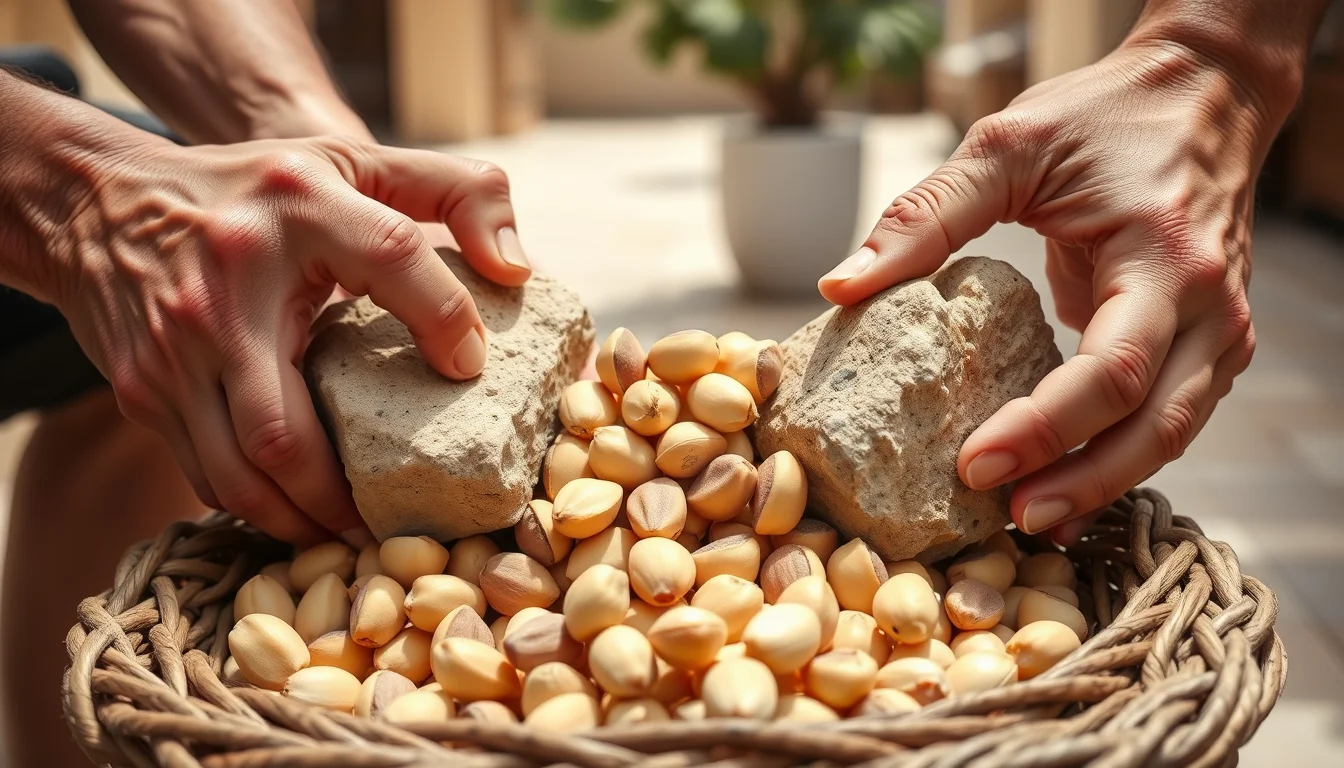
The argan tree (Argania spinosa) grows naturally in the southwest of Morocco. Its fruit holds a very hard nut, and inside the nut are small kernels that give the oil. In many rural communities women crack the nuts by hand, and cooperatives in the region continue that work. UNESCO lists the practices and know-how concerning the argan tree as intangible cultural heritage, and notes that women are the main holders of this knowledge and pass it to their daughters (UNESCO).
The process is slow and labour intensive, which is why real argan oil is not cheap. It also explains why the trade matters to so many families.
The main difference
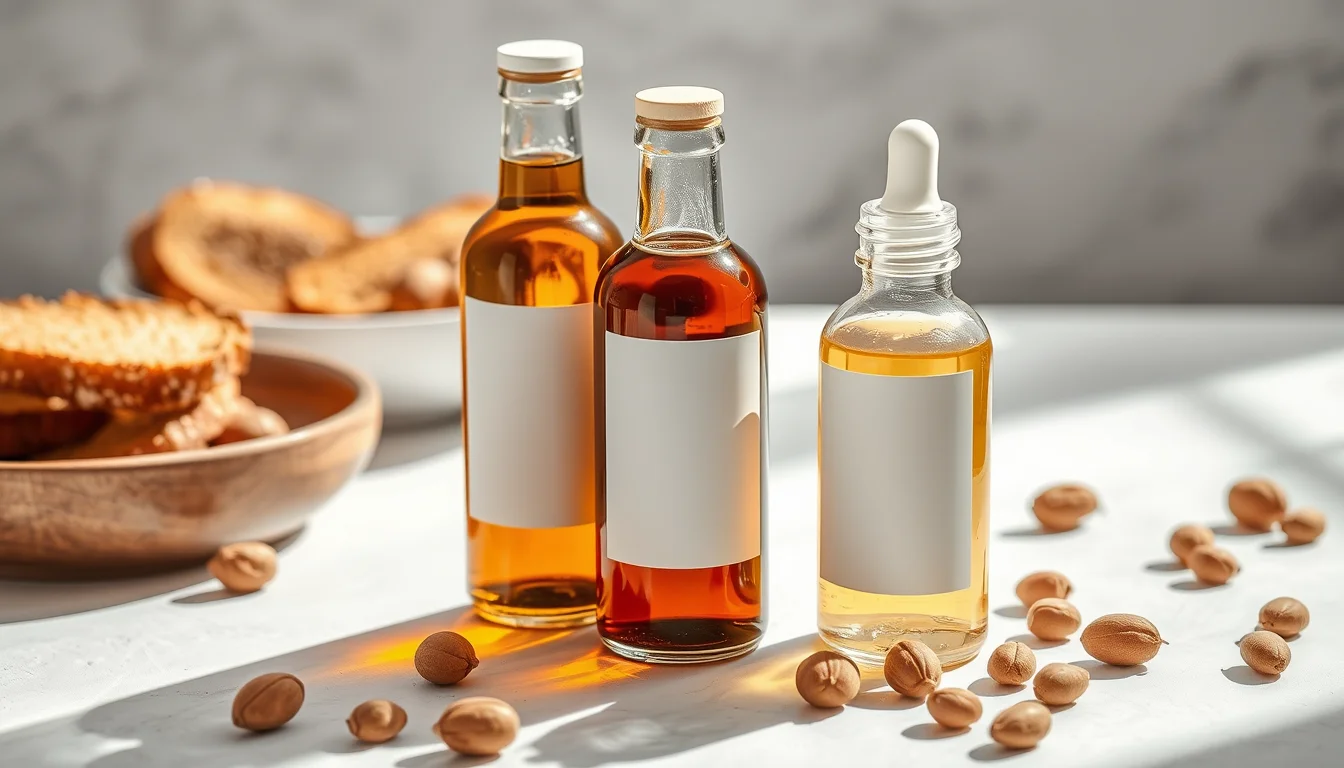
After the kernels are collected, the producer chooses a route. For culinary oil, the kernels are lightly roasted before pressing, which builds a rich, nutty aroma. For cosmetic oil, the kernels are pressed without roasting, so the oil stays pale and smells mild. Good producers press at a low temperature and do not use chemical solvents.
| Culinary argan oil | Cosmetic argan oil |
|---|---|
| Kernels Roasted before pressing | Not roasted |
| Colour Deeper amber or brown | Pale gold |
| Scent and Nutty, toasted taste | Mild, slightly earthy |
| Label Food information, ingredients, best before date | Cosmetic ingredient name, external use |
| Typical use Finishing oil, dips, spreads, salads | Skin, hair and nails |
| Packaging Dark glass with food details | Dark glass or dropper with cosmetic details |
How culinary argan oil is used
In Moroccan kitchens, argan oil is mostly a finishing oil. People drizzle it over couscous, salads and grilled vegetables, or serve it with bread and honey at breakfast. It is also the base of amlou, a thick spread made from ground almonds and honey. The amlou recipe in this collection shows the method.
A little goes a long way, because the flavour is strong. Try a small amount first. Keep it away from very high heat, since heat spoils the aroma you paid for.
How cosmetic argan oil is used
People traditionally use cosmetic argan oil on skin and hair as a moisturising oil. A few drops go on damp skin, or through the ends of dry hair, or into hands and cuticles. Modern products sometimes include it in creams and hair treatments.
That describes how the oil is used. It is not a promise of any result. Research on argan oil exists, but much of it is small or limited, and the guides on skin and hair explain what it can and cannot show. If you have a skin condition, speak with a doctor or dermatologist before you use a new product.
Can you swap one for the other
- Do not eat cosmetic argan oil unless the label says it is food grade. A cosmetic product may not be made or packed to food standards, and it may contain other ingredients.
- Culinary oil on skin or hair is possible, but the roasted scent is strong and the product was not made for that use. Do a patch test first.
- Never use an oil you cannot identify. If a bottle has no clear label, keep it away from your food and your body.
How to read the label
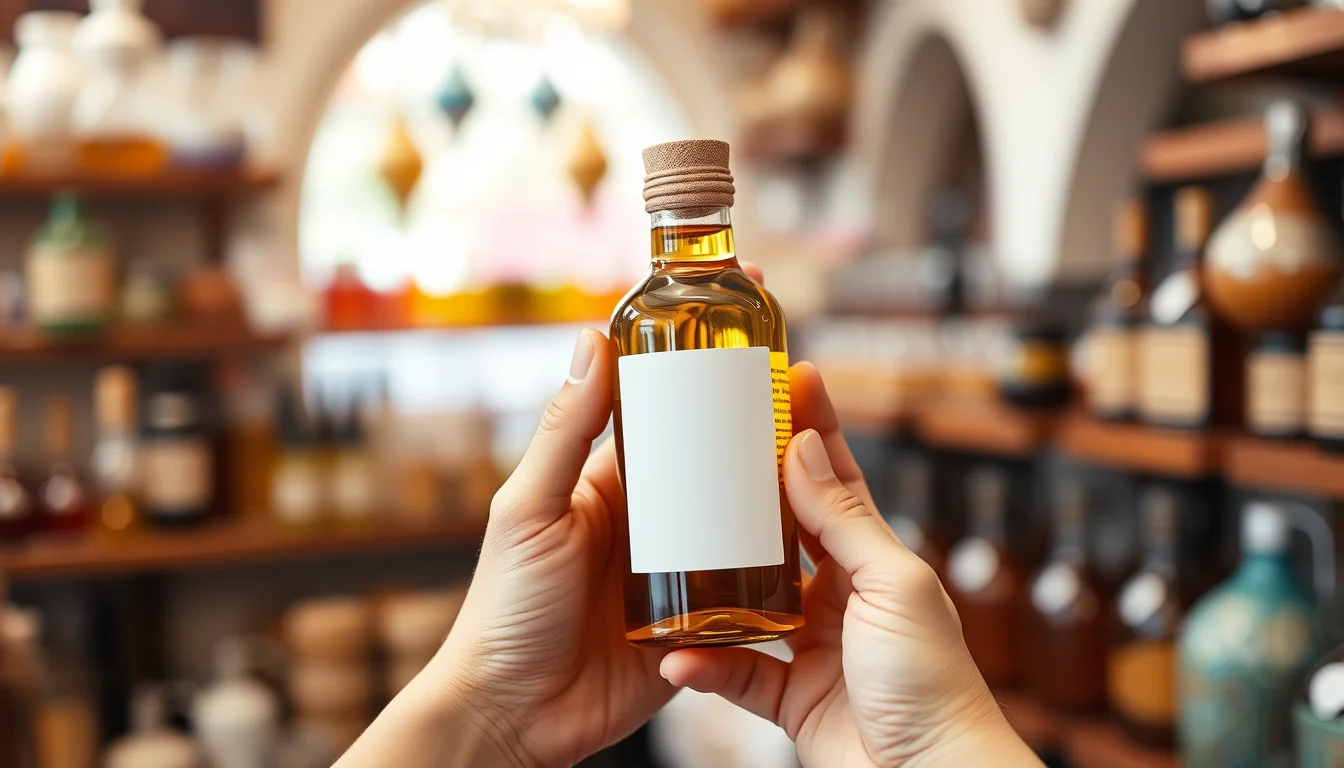
A good label tells you what is inside and who made it. Look for a clear statement of use, either a food label or a cosmetic label. Check the ingredient name. On cosmetics, argan oil is usually listed as Argania spinosa kernel oil, and a pure product should list only that. Look for a batch number, a date, the name of the producer or cooperative with a town or region, and dark glass packaging that protects the oil from light.
Be careful with phrases like “100 percent natural” or “miracle oil”. They are marketing and prove nothing. The buying guide has a longer checklist.
Signs of a poor product
- A very low price for a large bottle.
- A strong artificial fragrance, or extra ingredients on a bottle sold as pure.
- Claims that the oil cures or treats a disease.
- A clear plastic bottle with no information about the maker.
Allergies and safety
Argan oil comes from the kernel of a tree fruit, and allergic reactions, although uncommon, are possible. A 2018 review reports that topical argan oil was non-irritant and hypoallergenic in safety tests (Charrouf and Guillaume, OCL), but reactions are still possible, so patch test first. If you have a nut allergy, ask your doctor before you eat it or put it on your skin. Do a patch test on the inner arm before regular use, and stop if irritation appears.
Storage in one paragraph
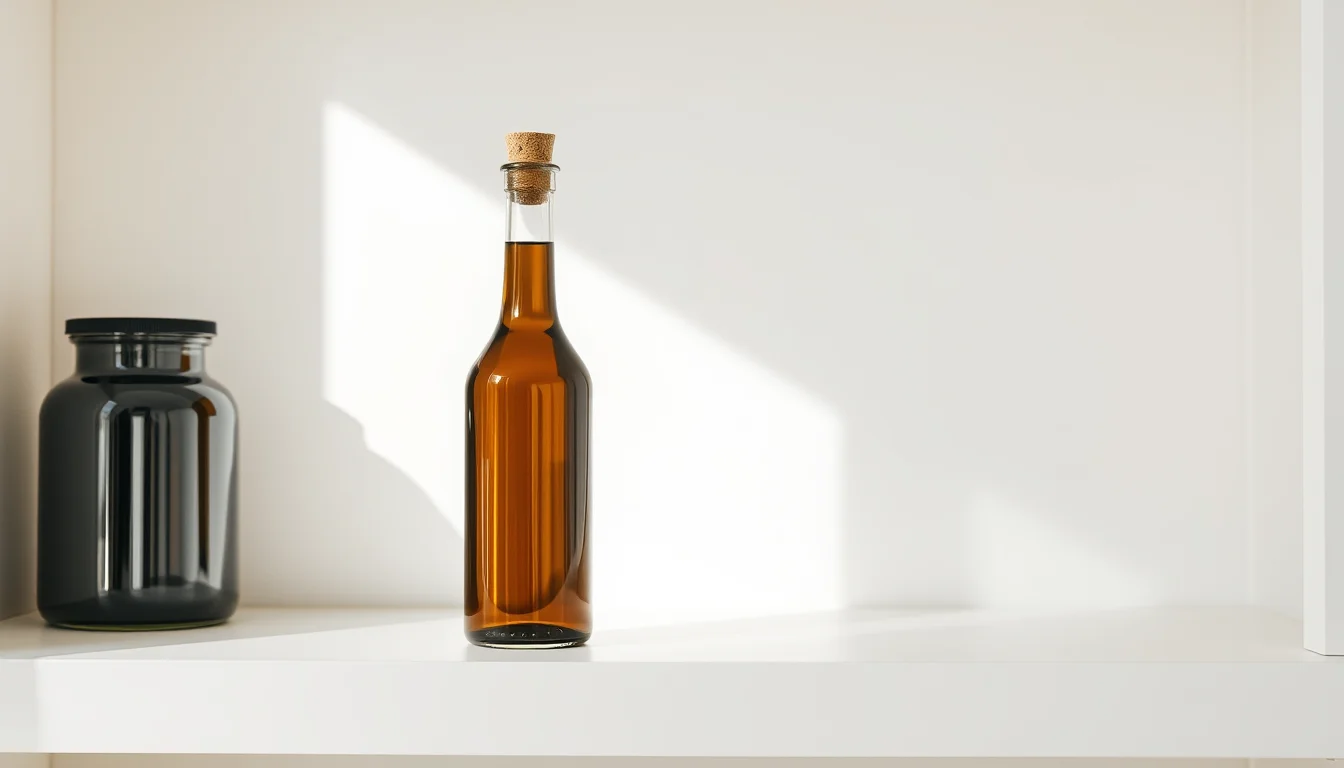
Keep the bottle closed, in a cool dark place and away from the stove. Write the opening date on it. Oil that smells sharp, bitter or like old paint has probably gone off. The storage guide covers this in more detail.
Which one should you buy
| If you want to | Buy | Check |
|---|---|---|
| Cook, dip bread or make amlou | Culinary argan oil | Food label, roasted scent, best before date |
| Care for skin or hair | Cosmetic argan oil | Cosmetic label, ingredient list, batch number |
| Give a gift from Morocco | Either, clearly labelled | Sealed bottle, dark glass, producer name |
A label vocabulary for shopping in Morocco
Many bottles in Morocco carry labels in French, Arabic or both. This short list helps you read them. [Please check the Arabic and French wording with a native speaker before you publish.]
| English | French | Arabic |
|---|---|---|
| Argan oil | Huile d’argan | نﺎﻛرأ ﺖﻳز |
| Culinary argan oil | Huile d’argan alimentaire | ﻲﺋاﺬﻏ نﺎﻛرأ ﺖﻳز |
| Cosmetic argan oil | Huile d’argan cosmétique | ﻲﻠﻴﻤﺠﺗ نﺎﻛرأ ﺖﻳز |
| For external use | Pour usage externe | ﻲﺟرﺎﺨﻟا لﺎﻤﻌﺘﺳﻼﻟ |
| Cold pressed | Pressée à froid | درﺎﺒﻟا ﻰﻠﻋ رﻮﺼﻌﻣ |
| Best before | À consommer de préférence avant | ﻞﺒﻗ ﻪﻛﻼﻬﺘﺳا ﻞﻀﻔﻳ |
| Cooperative | Coopérative | ﺔﻴﻧوﺎﻌﺗ |
Two routines with two bottles
In the kitchen, a bottle of culinary oil sits next to the salt. You use a teaspoon over couscous or salad, a spoon with bread and honey, and a tablespoon in a batch of amlou. In the bathroom, a bottle of cosmetic oil sits near the sink. You use two or three drops after a shower or on the ends of dry hair. Keeping the two in different places prevents mix ups, and it keeps each bottle away from heat and steam.
Choosing when you can buy only one
If you cook a lot and use a little oil on your skin, buy culinary oil and accept that the scent is stronger. If you do not cook with it and want to try it on skin and hair, buy cosmetic oil. If you want both, buy two small bottles rather than one large one, since they last longer when they are opened less often.
What the price can and cannot tell you
A very low price can signal dilution or a poor process. A high price can reflect real labour, or it can reflect packaging and marketing. Use the price as one clue and compare it with the label details. As a rough guide from older reports, SBS Food gave about 20 Australian dollars for 100 ml of culinary oil in 2018 (SBS Food), and TravelAwaits reported 220 dirhams per litre bought locally against about 120 US dollars per litre online (TravelAwaits). See our argan oil price guide.
Frequently asked questions
Is culinary argan oil the same as cosmetic argan oil?
They come from the same kernel. The roasting step and the labelling differ.
Can I cook with argan oil?
It is mostly used as a finishing oil in Morocco. High heat weakens the flavour.
Is Moroccan argan oil better than argan oil from elsewhere?
The tree grows naturally in Morocco, so most argan oil comes from here. Judge a product by its label, its producer and how openly the seller answers questions.
Conclusion
Choose culinary oil for the plate and cosmetic oil for skin and hair. Read the label for the ingredient and the producer, and be cautious about very cheap bottles. When you can, buy from a cooperative or a seller who explains how the oil was made.
Sources
- Britannica, argan oil (britannica.com)
- SBS Food, can you eat argan oil (2018) (sbs.com.au)
- Charrouf and Guillaume, OCL journal (2018) (ocl-journal.org)
- UNESCO, argan practices and know-how (ich.unesco.org)
- Wikipedia, Amlu (en.wikipedia.org)
- TravelAwaits, argan oil in Morocco (travelawaits.com)
What we verified
Last checked: October 4, 2026
Sources:
- Britannica, argan oil (britannica.com)
- SBS Food, can you eat argan oil (2018) (sbs.com.au)
- Charrouf and Guillaume, OCL journal (2018) (ocl-journal.org)
- UNESCO, argan practices and know-how (ich.unesco.org)
- Wikipedia, Amlu (en.wikipedia.org)